Reading view

There are new articles available, click to refresh the page.

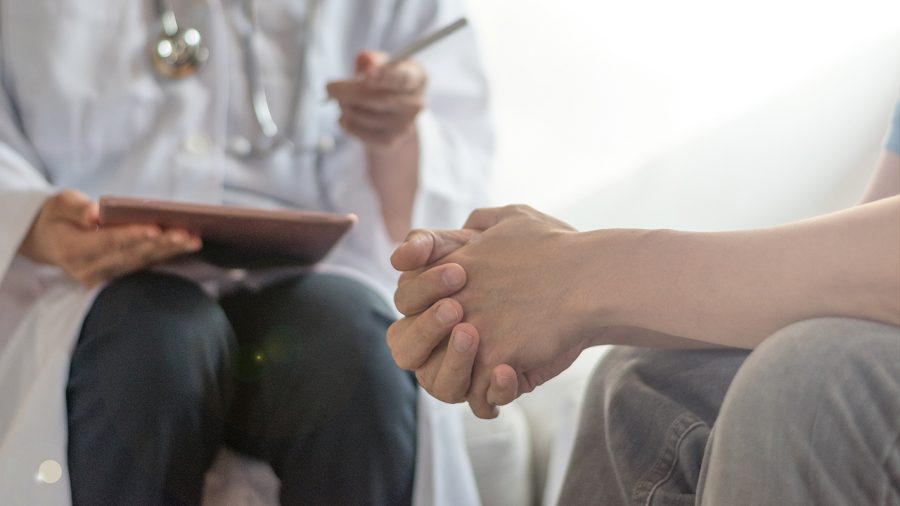
The Metro: A clinician’s perspective on why therapy is so inaccessible

For the first time in decades, more people are seeking talk therapy over medication

The good news is there’s less stigma preventing people from accessing care. The bad news: A lot of people struggle to access therapy. Some clinicians argue that one of the big issues is private equity. 

Private equity investments in health care have grown to over $750 billion over the past decade.

Linda Michaels says that’s had devastating consequences for both clients and clinicians. People are less likely to get the therapy they need. And therapists are in a worse position to offer it

That’s the premise of Michaels’ talk this Sunday at a local fundraiser for a metro Detroit clinic. She is a psychologist in private practice in Chicago and a co-founder of the Psychotherapy Action Network. She spoke with The Metro‘s Robyn Vincent.

The Metro reached out to two big health insurance providers, United Behavioral Health and Cigna. We wanted their perspective on how their administrative systems have complicated work for therapists, and made getting therapy harder. We did the same for several private equity groups. None of them offered a comment.

Listen to The Metro weekdays from 10 a.m. to noon ET on 101.9 FM and streaming on demand.

Subscribe to The Metro on Apple Podcasts, Spotify, NPR.org or wherever you get your podcasts.

Support the podcasts you love.

One-of-a-kind podcasts from WDET bring you engaging conversations, news you need to know and stories you love to hear. Keep the conversations coming. Please make a gift today.

More stories from The Metro

The post The Metro: A clinician’s perspective on why therapy is so inaccessible appeared first on WDET 101.9 FM.

The Metro: A lesser known way the Trump administration is removing immigrants from the country

The Trump administration has cracked down on immigration. President Donald Trump has conducted more ICE raids, signaled tougher security at the border, and has prevented fewer legal immigrants from entering the country. 

The Trump administration is also trying to end humanitarian immigration programs. One of those is Temporary Protected Status or TPS. 

The administration has revoked deportation protections from about one million people in the U.S. Most of them are from Venezuela and Honduras. It’s trying to revoke TPS from other countries but the courts have blocked the attempt.

The Department of Homeland Security says many countries on the TPS list are no longer in crisis. But many representing immigrants in court say otherwise.

Megan Hauptman is a Litigation Staff Attorney for the International Refugee Assistance Project. She is fighting the Trump administration to keep TPS for over 6,000 people from Syria. Over 1,500 of them live in Michigan alone. 

What exactly is TPS status? And what would happen if more people were to lose it? Megan Hauptman spoke with The Metro‘s Robyn Vincent about this and more.

Listen to The Metro weekdays from 10 a.m. to noon ET on 101.9 FM and streaming on demand.

Subscribe to The Metro on Apple Podcasts, Spotify, NPR.org or wherever you get your podcasts.

Support the podcasts you love.

One-of-a-kind podcasts from WDET bring you engaging conversations, news you need to know and stories you love to hear. Keep the conversations coming. Please make a gift today.

More stories from The Metro

The post The Metro: A lesser known way the Trump administration is removing immigrants from the country appeared first on WDET 101.9 FM.

The Metro: In the wake of teen takeovers, Detroit’s youth affairs office tries to give teens a place to be

Large groups of teenagers have been gathering in downtown Detroit organized on TikTok and Snapchat. It’s part of a national trend being called “teen takeovers.” Most of the kids were just hanging out. But some of these gatherings turned chaotic. There have been brawls, vandalism, and an attempted robbery on Woodward. On April 11, a gun was fired, though no one was hurt.

Two of the 16-year-olds who organized the first gathering sat next to Mayor Mary Sheffield at a press conference last week. Daveion Page said he did it because he was bored. Danasha’ Tidwell said the violence that followed was “harmful and very unacceptable.”

Where can Detroit kids go to be safe and have fun? And, what’s the responsibility of a city to help grow and develop young people? 

Jerjuan Howard is the first director of Detroit’s new Office of Youth Affairs. He’s also an Army veteran, founder of the Umoja Debate League, and the owner of a new bookstore on Puritan Avenue. He spoke with The Metro‘s Robyn Vincent.

Listen to The Metro weekdays from 10 a.m. to noon ET on 101.9 FM and streaming on demand.

Subscribe to The Metro on Apple Podcasts, Spotify, NPR.org or wherever you get your podcasts.

Support the podcasts you love.

One-of-a-kind podcasts from WDET bring you engaging conversations, news you need to know and stories you love to hear. Keep the conversations coming. Please make a gift today.

More stories from The Metro
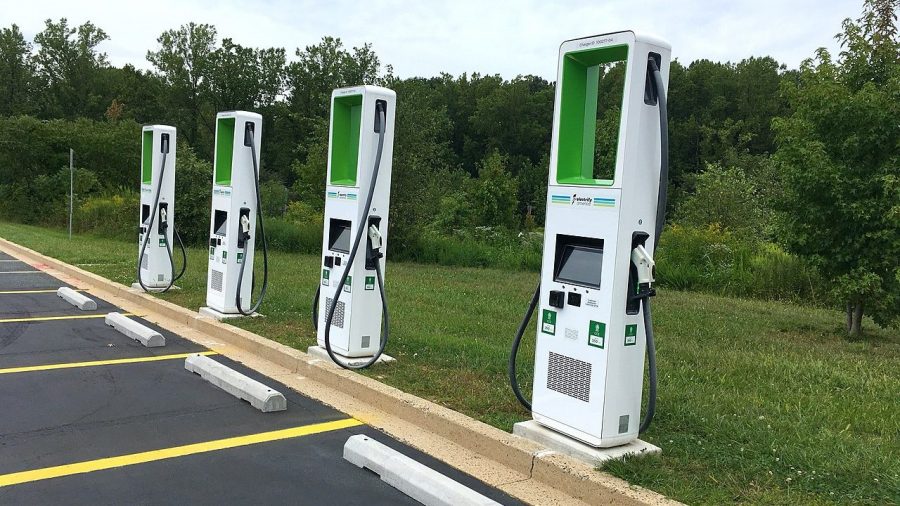
The post The Metro: In the wake of teen takeovers, Detroit’s youth affairs office tries to give teens a place to be appeared first on WDET 101.9 FM.

The Metro: The Trump administration hit the brakes on EVs. But EV charging stations are accelerating in the state

Inquiries for new electric vehicles has risen more than a quarter since America and Israel’s war in Iran began. But EVs need to be charged — and that’s easier to do in some places.

If you’re in China, you can charge an EV in just a few minutes. In Michigan, we’re way behind that reality.

But despite the Trump administration’s distaste for EVs, the infrastructure for electricity is improving. The number of charging ports in the state grew by about 1,800 last year — the most significant uptick in one year. 

So, if you’re thinking about buying or leasing an EV, what does all this mean for you?

Sophia Schuster is the policy principal for the Michigan Energy Innovation Business Council. She spoke with Host Robyn Vincent.

Listen to The Metro weekdays from 10 a.m. to noon ET on 101.9 FM and streaming on demand.

Subscribe to The Metro on Apple Podcasts, Spotify, NPR.org or wherever you get your podcasts.

Support the podcasts you love.

One-of-a-kind podcasts from WDET bring you engaging conversations, news you need to know and stories you love to hear. Keep the conversations coming. Please make a gift today.

More stories from The Metro

The post The Metro: The Trump administration hit the brakes on EVs. But EV charging stations are accelerating in the state appeared first on WDET 101.9 FM.
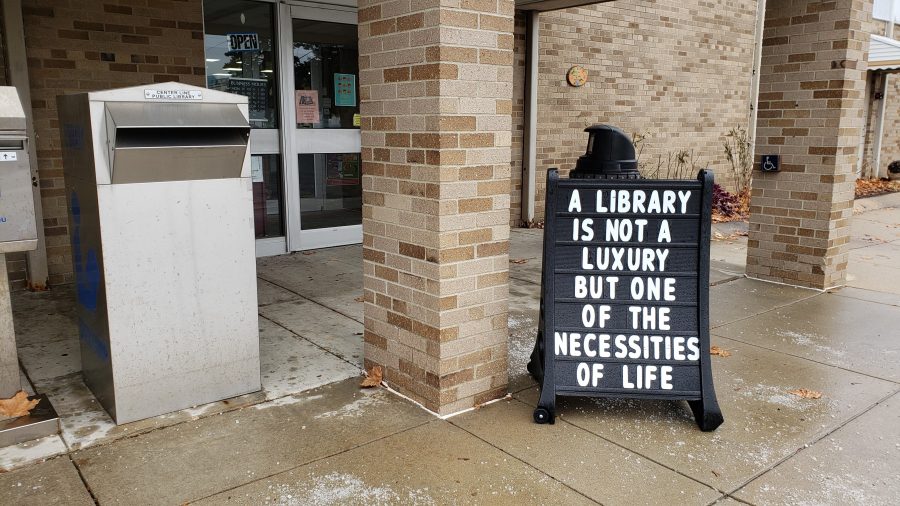
The Metro: Metro Detroit has a lot of flooding problems. These projects can change that

Metro Detroit’s infrastructure is old. Many of the homes people live in, the streets they drive on, and the drainage systems they use were constructed many decades ago. And most of that infrastructure is considered gray — it’s made of concrete, steel, and asphalt. 

That material is sturdy. But it’s less helpful for navigating extreme weather, especially flooding. The good news is that across metro Detroit, green infrastructure projects are cropping up. 

What do those look like? Why do they matter? And, how can more residents create green infrastructure projects to prevent flooding, and beautify their communities? 

Jim Nash is the Oakland County Water Resources Commissioner. He spoke with host Robyn Vincent.

Listen to The Metro weekdays from 10 a.m. to noon ET on 101.9 FM and streaming on demand.

Subscribe to The Metro on Apple Podcasts, Spotify, NPR.org or wherever you get your podcasts.

Support the shows you love.

WDET’s unique music programs are dedicated to exploring the music and culture of our region and the world. Keep the music going. Please make a gift today. Give now »

More stories from The Metro

The post The Metro: Metro Detroit has a lot of flooding problems. These projects can change that appeared first on WDET 101.9 FM.

The Metro: Can interfaith dialogue restore our faith in each other?

We’re in a moment of polarization. We’re struggling to see each other, to hear one another and to understand different perspectives. 

A 2024 Gallup poll found that 80 percent of adults believe we are greatly divided in our most important values. A more recent New York Times poll found that most voters don’t believe these divisions can be overcome. 

There are fewer and fewer people who have faith in one another. Many believe that our democracy will crumble because we are simply incapable of solving problems across the aisle. 

The folks working in interfaith dialogue think differently. 

Sam Corey spoke with a few of them to understand the promise and limitations of that work.

Support local journalism.

WDET strives to cover what’s happening in your community. As a public media institution, we maintain our ability to explore the music and culture of our region through independent support from readers like you. If you value WDET as your source of news, music and conversation, please make a gift today.

The post The Metro: Can interfaith dialogue restore our faith in each other? appeared first on WDET 101.9 FM.

The Metro: The reason for Ann Arbor’s rooftop solar boom

In 2019, Michigan’s largest utility ended what’s called net metering. That meant if you had solar panels, you no longer got full credit for the extra energy you sent back to the grid. So, instead of getting a dollar’s worth of credit, you might get 30 cents.

But in Ann Arbor, this didn’t slow down rooftop solar, or make it less attractive financially. Solar installations exploded there —from 17 per year before 2019 to 180 per year since 2020.

This is partly because of a program called Solarize — neighbors banding together to get group discounts on solar installations. Now it has spread across metro Detroit.

Julie Roth launched Solarize. Today, she’s the energy manager at the city of Ann Arbor’s Office of Sustainability and Innovations. She spoke with The Metro‘s Robyn Vincent.

Listen to The Metro weekdays from 10 a.m. to noon ET on 101.9 FM and streaming on demand.

Subscribe to The Metro on Apple Podcasts, Spotify, NPR.org or wherever you get your podcasts.

Trusted, accurate, up-to-date.

WDET strives to make our journalism accessible to everyone. As a public media institution, we maintain our journalistic integrity through independent support from readers like you. If you value WDET as your source of news, music and conversation, please make a gift today.

Donate today »

More stories from The Metro

The post The Metro: The reason for Ann Arbor’s rooftop solar boom appeared first on WDET 101.9 FM.

The Metro: The college education gap between suburban and Detroit students is big. This is how we close it.

Getting a college degree in Detroit has never been easy. More than half of all children in Detroit live below the poverty line. Many Detroit public school graduates do not enroll in college within a year of finishing high school. And of those who do enroll, most don’t earn a degree within six years.

Detroit Public Schools just recorded its highest graduation rate in nearly two decades. 

But it’s always been a hard race for Detroit kids. And right now, it could be getting more difficult. 

Student loan rules are changing in July. The programs that help low-income students get to college are on the chopping block in President Donald Trump’s latest budget. And, the department that oversees all of these things has cut its workforce in half. 

How are students impacted by these changes? How are they interpreting them? And, how do we close the college education gap between Detroit and suburban students.

The folks at the Detroit College Access Network have a sense of this. They work with students to help them navigate financial aid, applications, and what comes after. They’re want 60% of Detroit residents to have some form of postsecondary education by 2030. 

Cyekeia Lee is the executive director of the Detroit College Access Network. She spoke with The Metro‘s Robyn Vincent.


Listen to The Metro weekdays from 10 a.m. to noon ET on 101.9 FM and streaming on demand.

Subscribe to The Metro on Apple Podcasts, Spotify, NPR.org or wherever you get your podcasts.

Support the podcasts you love.

One-of-a-kind podcasts from WDET bring you engaging conversations, news you need to know and stories you love to hear. Keep the conversations coming. Please make a gift today.

More stories from The Metro

The post The Metro: The college education gap between suburban and Detroit students is big. This is how we close it. appeared first on WDET 101.9 FM.

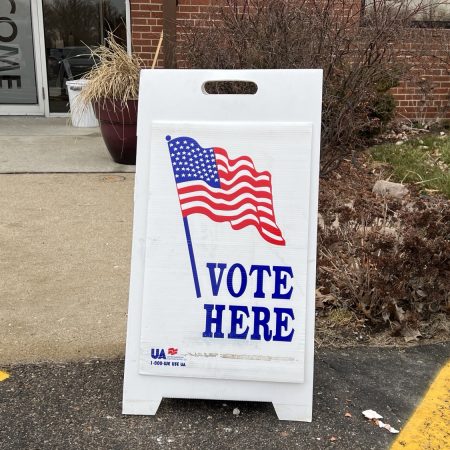
The Metro: Trust in elections is declining. A Michigan Republican clerk blames politics

President Donald Trump and Republicans want to transform the election process.

Recently, the president signed an executive order that seeks to change how mail-in voting works, placing it under the oversight of the Department of Homeland Security. Trump and Republicans are also trying to pass the SAVE Act, which would ensure voters provide documentary proof of citizenship at the time of registration and a photo ID at the time of voting.

All of this is happening as the president has called to “nationalize the elections,” and as MAGA influencer Steve Bannon has asked ICE officials to patrol polling locations in November. 

What should we make of all these efforts? How secure are voting systems? 

Republican Ottawa County Clerk Justin Roebuck spoke with The Metro‘s Robyn Vincent about this and more.

Listen to The Metro weekdays from 10 a.m. to noon ET on 101.9 FM and streaming on demand.

Subscribe to The Metro on Apple Podcasts, Spotify, NPR.org or wherever you get your podcasts.

Support the podcasts you love.

One-of-a-kind podcasts from WDET bring you engaging conversations, news you need to know and stories you love to hear. Keep the conversations coming. Please make a gift today.

More stories from The Metro

The post The Metro: Trust in elections is declining. A Michigan Republican clerk blames politics appeared first on WDET 101.9 FM.
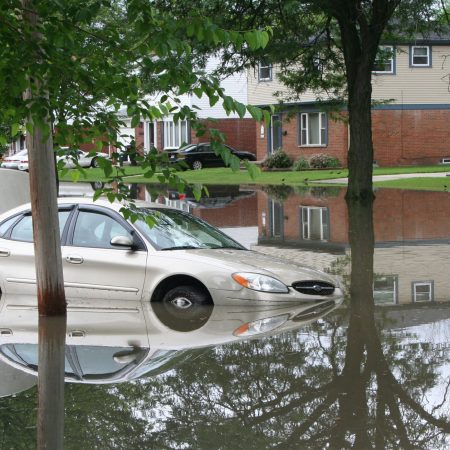
The Metro: Many immigrants in Michigan have had their rights violated by the Trump administration

When President Donald Trump took office, he promised to crack down on immigration. He’s done that. 

Since January of 2025, at least 2,400 immigrants were arrested in Michigan alone. But President Trump and immigration officials are not following an orderly process. Officials are often skirting the law, or violating it. 

This was visible months ago in Minneapolis, when masked ICE agents shot and killed Renee Good and Alex Pretti and thousands took to the streets. Here in Michigan, the work of ICE is harder to spot. But due to action in the courts, we’ve been learning more. 

Federal judges recently ruled that hundreds of people in Michigan were unconstitutionally detained as they never had a chance of being released on bond. 

For its part, the administration says it’s detaining the “worst of the worst.” But in many cases, non-citizens without a criminal record have been detained. 

So, what do ICE arrests and detentions look like in metro Detroit? What are the stories of those who’ve been detained? How are local police involved in the work? And, who’s fighting back? 

Violet Ikonomova is an investigative reporter for the Detroit Free Press. She spoke with The Metro‘s Robyn Vincent.


Listen to The Metro weekdays from 10 a.m. to noon ET on 101.9 FM and streaming on demand.

Subscribe to The Metro on Apple Podcasts, Spotify, NPR.org or wherever you get your podcasts.

Trusted, accurate, up-to-date.

WDET strives to make our journalism accessible to everyone. As a public media institution, we maintain our journalistic integrity through independent support from readers like you. If you value WDET as your source of news, music and conversation, please make a gift today.

Donate today »

More stories from The Metro

The post The Metro: Many immigrants in Michigan have had their rights violated by the Trump administration appeared first on WDET 101.9 FM.

The Metro: People aren’t happy with the economy, but spending is still high. Here’s why.

Since 2015, consumer confidence in the economy has plummeted according to recent consumer survey data by the University of Michigan. But while confidence has declined, spending has remained strong. Why? And, how have rising gas prices factored into the economy?

Professor Joanne Hsu is the director of the monthly Surveys of Consumers at the University of Michigan. She spoke with The Metro’s Sam Corey.

Listen to The Metro weekdays from 10 a.m. to noon ET on 101.9 FM and streaming on demand.

Subscribe to The Metro on Apple Podcasts, Spotify, NPR.org or wherever you get your podcasts.

Support the podcasts you love.

One-of-a-kind podcasts from WDET bring you engaging conversations, news you need to know and stories you love to hear. Keep the conversations coming. Please make a gift today.

More stories from The Metro

The post The Metro: People aren’t happy with the economy, but spending is still high. Here’s why. appeared first on WDET 101.9 FM.

The Metro: Ford, GM and Stellantis retreated from EVs. Now more drivers want them

Automakers and auto suppliers are a huge part of metro Detroit’s economy. And they will likely have to change as the war unfolds. 

As America’s strikes against Iran continue, and the Strait of Hormuz remains in question, gas prices are rising, and more people are thinking about purchasing an electric vehicle

But despite interest, how much will EV sales actually increase for companies like Ford, GM and Stellantis — especially as car sales in general have plummeted over the past few decades?

John McElroy is an automotive analyst with Autoline. He spoke with The Metro‘s Robyn Vincent.

Listen to The Metro weekdays from 10 a.m. to noon ET on 101.9 FM and streaming on demand.

Subscribe to The Metro on Apple Podcasts, Spotify, NPR.org or wherever you get your podcasts.

Support the podcasts you love.

One-of-a-kind podcasts from WDET bring you engaging conversations, news you need to know and stories you love to hear. Keep the conversations coming. Please make a gift today.

More stories from The Metro

The post The Metro: Ford, GM and Stellantis retreated from EVs. Now more drivers want them appeared first on WDET 101.9 FM.

The Metro: The only certainty is chaos for small businesses in metro Detroit

The economy has undergone many drastic changes over the years. If you’re a millennial, change and chaos have been commonplace.

The Great Recession hit in the late aughts, reducing wealth. About ten years later, the pandemic occurred, causing many to stay at home and others to risk their health at work. Inflation deepened during President Joe Biden’s time in office. President Trump enacted tariffs. And now, the U.S. and Israel are at war with Iran. 

It’s hard to gauge all the consequences of this latest shock, but it’s a continuation of one thing: uncertainty. 

Rising gas prices and supply chain disruptions are now among the challenges small businesses must navigate. It might be why over half of small businesses owners in Michigan say they’re making operational changes to prepare for a recession, according to a recent survey. 

Which small businesses are hit hardest by the war in Iran and its disruptions? And, what could make them more resilient in the face of chaos?

Mark Lee is the president and CEO of The Lee Group, where he consults with small businesses across Southeast Michigan. He spoke with The Metro‘s Robyn Vincent.

Listen to The Metro weekdays from 10 a.m. to noon ET on 101.9 FM and streaming on demand.

Subscribe to The Metro on Apple Podcasts, Spotify, NPR.org or wherever you get your podcasts.

Support the podcasts you love.

One-of-a-kind podcasts from WDET bring you engaging conversations, news you need to know and stories you love to hear. Keep the conversations coming. Please make a gift today.

More stories from The Metro

The post The Metro: The only certainty is chaos for small businesses in metro Detroit appeared first on WDET 101.9 FM.

The Metro: Mary Sheffield unveils neighborhood-first vision in State of City address

Detroit is often broken into two camps: Downtown and the neighborhoods. 

At last night’s state of the city address, Detroit Mayor Mary Sheffield declared she was investing in the latter. 

Between cash assistance for pregnant moms, potential pay increases for city employees, new initiatives to help young people, and plans for more affordable housing, Sheffield signaled she doesn’t want to have two separate, unequal classes living in Detroit. She wants everyone to thrive in the city. 

But Detroit has big problems, including homes that need repairs, poor public transit and generational poverty. With federal funds drying up, Sheffield’s administration will need to find a way to pay for all of its services. 

How does she plan to do that? And, what kind of coalition is she building to help her?

Donna Givens Davidson is the president of the Eastside Community Network and of the co-host of the Authentically Detroit podcast. She also was part of Mayor Sheffield’s transition team. Givens Davidson spoke with The Metro‘s Cary Junior II.

Listen to The Metro weekdays from 10 a.m. to noon ET on 101.9 FM and streaming on demand.

Subscribe to The Metro on Apple Podcasts, Spotify, NPR.org or wherever you get your podcasts.

Support the podcasts you love.

One-of-a-kind podcasts from WDET bring you engaging conversations, news you need to know and stories you love to hear. Keep the conversations coming. Please make a gift today.

More stories from The Metro

The post The Metro: Mary Sheffield unveils neighborhood-first vision in State of City address appeared first on WDET 101.9 FM.

The Metro: Why one local court doesn’t want poor people to pay more for justice

Many of the systems designed to keep us safe sometimes harm the most vulnerable among us. That’s often true of people who face financial hardship.

Detroit’s 36th District Court is trying to stop that from continuing. Chief Judge William McConico is running a court-wide amnesty program through April 2, waiving all late fees, penalties, and warrant costs for adjudicated cases when the original fine is paid.

McConico spoke with The Metro‘s Robyn Vincent about this, bail reform and controversy surrounding one of his judges.

Listen to The Metro weekdays from 10 a.m. to noon ET on 101.9 FM and streaming on demand.

Subscribe to The Metro on Apple Podcasts, Spotify, NPR.org or wherever you get your podcasts.

Support the podcasts you love.

One-of-a-kind podcasts from WDET bring you engaging conversations, news you need to know and stories you love to hear. Keep the conversations coming. Please make a gift today.

More stories from The Metro

The post The Metro: Why one local court doesn’t want poor people to pay more for justice appeared first on WDET 101.9 FM.
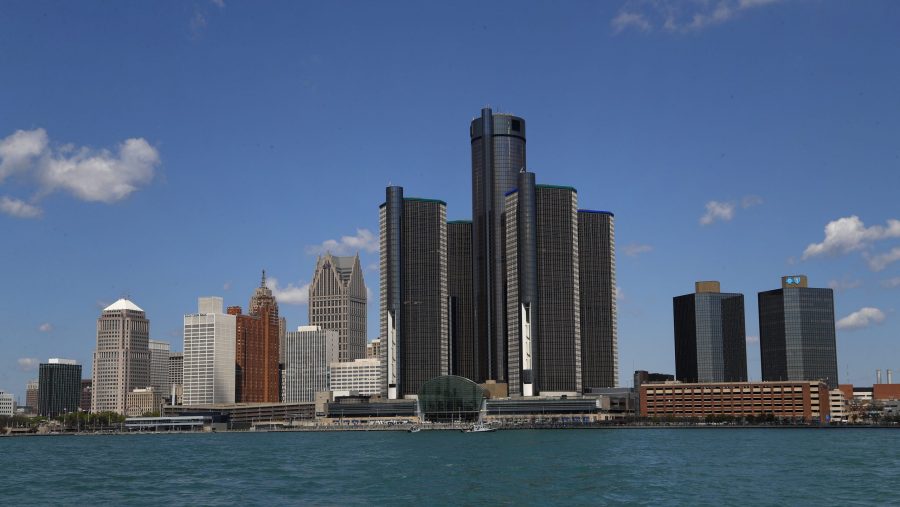
The Metro: Metro Detroiters attend third ‘No Kings’ protests

Tens of thousands of metro Detroiters took to the streets to take part in another “No Kings” protest, where they opposed President Donald Trump, recent policies on immigration, war with Iran and more. 

No Kings marches took place in cities across the country. WDET’s Russ McNamara was on the ground talking with folks in metro Detroit about what motivated them to speak up and get out. He spoke with The Metro‘s Cary Junior II about what he found.

Listen to The Metro weekdays from 10 a.m. to noon ET on 101.9 FM and streaming on demand.

Subscribe to The Metro on Apple Podcasts, Spotify, NPR.org or wherever you get your podcasts.

Support the podcasts you love.

One-of-a-kind podcasts from WDET bring you engaging conversations, news you need to know and stories you love to hear. Keep the conversations coming. Please make a gift today.

More stories from The Metro

The post The Metro: Metro Detroiters attend third ‘No Kings’ protests appeared first on WDET 101.9 FM.

The Metro: A metro Detroit rabbi says this isn’t the time for difficult political conversations

About one month ago, Israel and America struck Iran. Now, Israel has enmeshed itself in more violence. 

In Iran, about 1500 people have been killed. Over 1,000 people have been killed in Lebanon. Settler violence against Palestinians has been ratcheted up in the West Bank. And, in Israel, as of one week ago, a dozen Israelis had been killed from Iranian air strikes. 

Israel says it is attacking the Iranian regime and Hezbollah in Lebanon to remove existential threats from the region.

In the midst of all this, a man drove a truck into Temple Israel in West Bloomfield. The attacker killed himself before he hurt anyone at the synagogue besides one security officer. He was grieving family that had been killed in Lebanon by Israel.

How are metro Detroit Jews processing this moment? And, what do conversations about domestic and foreign politics look like at this time?

Aaron Bergman is a rabbi at Adat Shalom, a synagogue in Farmington Hills. He spoke about all this with producer Sam Corey.


Listen to The Metro weekdays from 10 a.m. to noon ET on 101.9 FM and streaming on demand.

Subscribe to The Metro on Apple Podcasts, Spotify, NPR.org or wherever you get your podcasts.

Support the podcasts you love.

One-of-a-kind podcasts from WDET bring you engaging conversations, news you need to know and stories you love to hear. Keep the conversations coming. Please make a gift today.

More stories from The Metro

The post The Metro: A metro Detroit rabbi says this isn’t the time for difficult political conversations appeared first on WDET 101.9 FM.
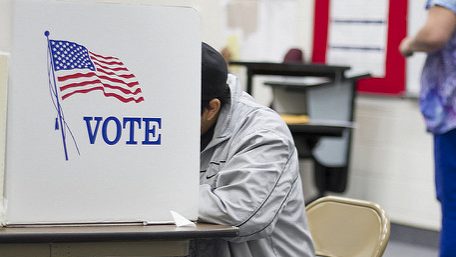
The Metro: More young people have cancer. A Detroit doctor weighs in

It’s a medical mystery with destructive elements. Our cells divide and grow with unstoppable force. They seize surrounding tissue. They invade from within. 

That’s how cancer works. And cases of younger people getting cancer — folks under the age of 50 — have been growing. Someone born in 1990 is now four times more likely to get rectal cancer, and two times more likely to get colon cancer than someone born in 1950. 

Why? And, what is it like to be a doctor in metro Detroit fielding these cases?

Dr. Thomas Kelly is a gastroenterologist at the Karmanos Cancer Institute. He spoke with The Metro‘s Robyn Vincent about different dietary and environmental factors that may be contributing to rising cancer rates.

Listen to The Metro weekdays from 10 a.m. to noon ET on 101.9 FM and streaming on demand.

Subscribe to The Metro on Apple Podcasts, Spotify, NPR.org or wherever you get your podcasts.

Support the podcasts you love.

One-of-a-kind podcasts from WDET bring you engaging conversations, news you need to know and stories you love to hear. Keep the conversations coming. Please make a gift today.

More stories from The Metro

The post The Metro: More young people have cancer. A Detroit doctor weighs in appeared first on WDET 101.9 FM.

The Metro: This local representative is regulating AI. She’s less concerned about data centers

Artificial intelligence is all around us. AI can now create videos and provide analysis — it’s even able to code. What makes artificial intelligence so weird is that it’s not mechanistic like a light switch or a power button. Instead, AI can make decisions on its own. 

So, where should we be using it? And, where should we be limiting its use? 

Penelope Tsernoglou is a Democrat representing East Lansing in the state House who has been regulating AI. She helped to outlaw the use of AI to create deepfakes, and supported legislation that would ban employers from using AI to make decisions about wages, and hiring and firing workers. Tsernoglou also wants to prevent AI from determining claims in the healthcare marketplace.

Yet she also sponsored legislation to make it easier to construct data centers in Michigan.

For someone skeptical of artificial intelligence, how should we be considering the construction of data centers, which would greatly advance the technology? Rep. Tsernoglou spoke with The Metro‘s Robyn Vincent about this and more.

Listen to The Metro weekdays from 10 a.m. to noon ET on 101.9 FM and streaming on demand.

Subscribe to The Metro on Apple Podcasts, Spotify, NPR.org or wherever you get your podcasts.

Trusted, accurate, up-to-date.

WDET strives to make our journalism accessible to everyone. As a public media institution, we maintain our journalistic integrity through independent support from readers like you. If you value WDET as your source of news, music and conversation, please make a gift today.

Donate today »

More stories from The Metro

The post The Metro: This local representative is regulating AI. She’s less concerned about data centers appeared first on WDET 101.9 FM.

❌