Login
LoginNational Weather Service says Detroit area office has what it needs to warn people before storms
State and federal officials want to know why the National Weather Service (NWS) didn’t issue a tornado watch before deadly twisters hit southwest Michigan on March 6, 2026.
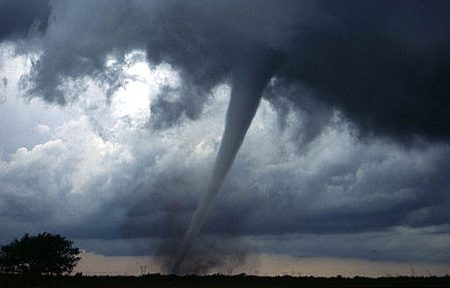
A supercell thunderstorm developed rapidly over Cass County, spawning four tornadoes. The strongest tornado, with winds up to 160 mph, killed three people in Union City, MI in Branch County.
Michigan senators Gary Peters and Elissa Slotkin wrote a letter to NWS Director Ken Graham demanding answers.
“Was a lack of staff and/or resources a contributing factor to NWS’s ability to issue a tornado watch alert ahead of the March 6 tornadoes,” the senators asked. “What, if anything, would have allowed the responsible NWS offices to identify the supercell that produced these tornadoes?”
The Trump administration cut funding for the National Oceanic and Atmospheric Administration in 2025. NOAA oversees the weather service.
Who issues watches and warnings?
Jackie Anderson is the warning coordination meteorologist at the NWS Detroit-Pontiac bureau in White Lake Township. She says it’s up to NOAA’s Storm Prediction Center in Norman, Oklahoma to issue tornado watches.
A watch means conditions are favorable for the development of tornadoes in a given area. A warning means a tornado has been detected on radar or by people on the ground.
Anderson says when the SPC issues a watch, local NWS offices work with the folks in Norman to determine when and where tornadoes could form. Then, it’s up to the local bureaus to issue warnings.
“NWS offices across the country are looking at the radar, they’re looking at the environment, they’re looking at storm reports coming in,” Anderson says. “And when we start to see concerning signs of rotation on radar in a certain area in a certain environment that we know is conducive for tornadoes, then we’ll start looking at do we need a tornado warning or not.”
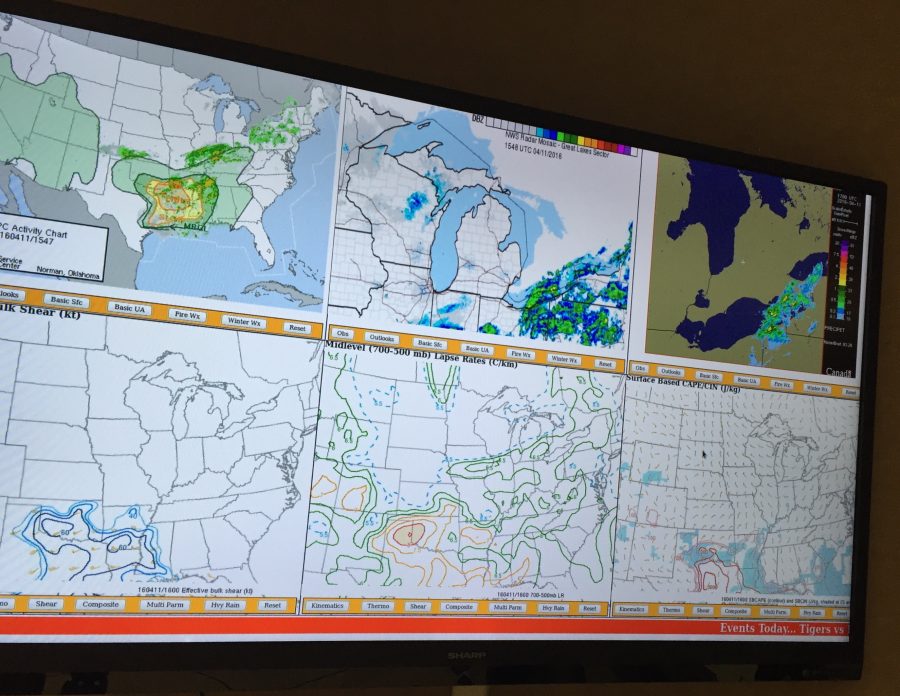
Anderson says her team has the staff and the tools they need to issue timely warnings.
“Our mission is the protection of life and property when it comes to hazardous weather,” she says. “We’re here keeping an eye on the weather 24/7, 365 days a year.”
Tornadoes can strike without warning
The challenge forecasters face is that tornadoes are, by nature, unpredictable. They can form at any time of day or year. And they sometimes spin up even when conditions aren’t necessarily favorable for them.
“Last year, we had a couple of that happened in environments where you wouldn’t say, ‘hey, I’m going to get a tornado out of this type of setup,'” she says. “So, there are some days that are really sneaky.”
Several hours before the twisters on March 6, the Storm Prediction Center posted maps on its website indicating a risk of tornadoes over southern lower Michigan.
“Even on those days when we don’t have a line of storms coming through, we may have a few areas of storms that are a bit more isolated, but still may have a big impact,” she says.
When the weather service issues any watches or warnings, they go out to local television and radio stations, which broadcast them as soon as possible. Anderson says people can also receive alerts if they have a weather radio or a cell phone. She recommends turning on mobile devices to receive emergency alerts. Anderson says they’re very useful when tornadoes form after midnight.
“It’s really loud and it will wake you up in the middle of the night,” she says.
Spring brings other dangerous weather
Tornadoes are not the only severe weather hazard NWS monitors. Anderson says thunderstorms produce lightning that can strike from miles away. She says people who have plans outdoors should check the weather forecast for thunderstorms first.
“If you can hear thunder, if you can see lightning, you’re at risk for being struck,” she says. “Know where you’re going before those storms strike.”
March 15 to 21 is Severe Weather Awareness Week in Michigan. The weather service has information on its website to help people prepare.
The post National Weather Service says Detroit area office has what it needs to warn people before storms appeared first on WDET 101.9 FM.