Reading view

There are new articles available, click to refresh the page.

The Metro: Two films highlight the connective power of food

 Food is a connection to the past and a living memory. It has a way of reminding the senses that love existed.

Ifayomi Christine is a writer and director.

It’s never just about the food. It’s about who taught you. It’s about who was there to help you stir the pot and give you the spoon to lick the cake batter. It’s about the traditions passed down on purpose and by accident. And sometimes it’s about learning the hardships that put the food on the table.

Ifayomi Christine is a writer, director, and lens based artist. She recently directed the film “Until It Feels Like Worship,” which untangles generational grief and trauma through remembrance and release.

Cornetta Lane-Smtih founded Detroit’s Studio 8278, which focuses on sharing Black stories.

Cornetta Lane-Smith is a Detroit-based filmmaker, writer, producer and the founder of Studio 8278. She wrote and executive produced the docu-series “Recipes of Resistance.” The series explores how food and conversation help unpack human complexity. 

They both joined The Metro’s Tia Graham to talk more about the film and docu-series. 


Listen to The Metro weekdays from 10 a.m. to noon ET on 101.9 FM and streaming on demand.

Subscribe to The Metro on Apple Podcasts, Spotify, NPR.org or wherever you get your podcasts.

Support local journalism.

WDET strives to cover what’s happening in your community. As a public media institution, we maintain our ability to explore the music and culture of our region through independent support from readers like you. If you value WDET as your source of news, music and conversation, please make a gift today.

More stories from The Metro

The post The Metro: Two films highlight the connective power of food appeared first on WDET 101.9 FM.

The Metro: Detroit police chief said the line was clear. His officers crossed it anyway

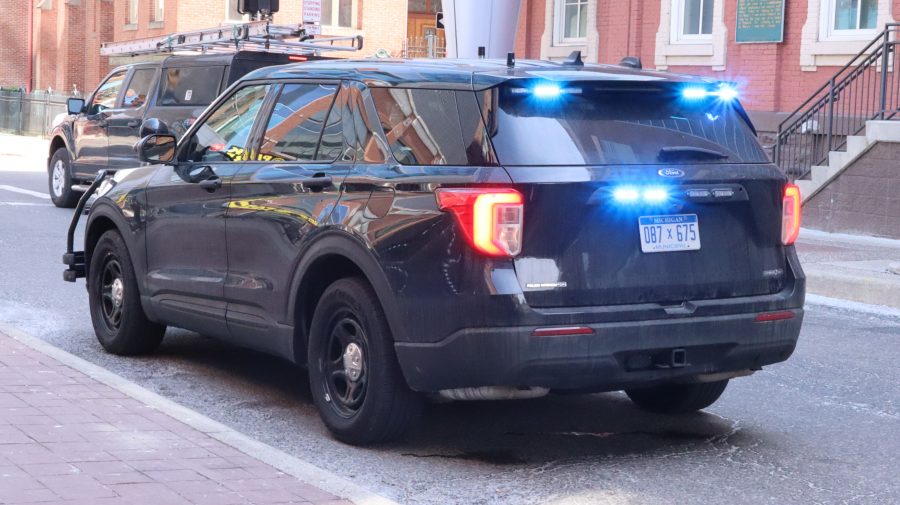
Communities across Michigan are asking how, exactly, local law enforcement is working with federal immigration agents as the Trump administration steps up aggressive enforcement, including the killing of two Americans in Minneapolis. In Detroit, that question is playing out on the pages of two police personnel files. 

Detroit Police Chief Todd Bettison vowed to fire two officers who broke department rules by calling U.S. Border Patrol during traffic stops, handing people over to federal immigration agents. Then he dropped the terminations.

In one stop, an officer called Border Patrol, believing the person was undocumented. In the other, a sergeant called for help communicating with a driver who didn’t speak English, though the department runs a 24-hour translation hotline.

DPD policy — stemming from a 2007 anti-profiling ordinance and a 2020 internal directive — bars officers from contacting Border Patrol, ICE, or any federal agency for translation or immigration enforcement. 

Outlier Media’s public records requests turned up at least two more incidents the chief did not disclose.

Ahead of the Board of Police Commissioners’ vote on the suspensions, The Metro’s Robyn Vincent spoke with Noah Kincade, who runs the Documenters program at Outlier Media

The Detroit Documenters helped surface these cases at police commission meetings. 

ICE and CBP did not respond to WDET’s requests for comment about this story.

Hear the full conversation using the media player above.

Editor’s Note: After this interview aired, the Board of Police Commissioners voted 10–0 to suspend both officers without pay for 30 days. Bettison, who said he would terminate them, backed off the next morning. His reversal comes after one officer sued in federal court, claiming her lieutenant ordered the call, and Michigan Republican House Speaker Matt Hall threatened to review Detroit’s state funding in response to the case.

Listen to The Metro weekdays from 10 a.m. to noon ET on 101.9 FM and streaming on demand.

Subscribe to The Metro on Apple PodcastsSpotifyNPR.org or wherever you get your podcasts.

Support the podcasts you love.

One-of-a-kind podcasts from WDET bring you engaging conversations, news you need to know and stories you love to hear. Keep the conversations coming. Please make a gift today.

More stories from The Metro

The post The Metro: Detroit police chief said the line was clear. His officers crossed it anyway appeared first on WDET 101.9 FM.

The Metro: Oakland County’s top legal official says ICE agents are not above the law

Across metro Detroit, some leaders’ stances against ICE have gotten firmer. 

The Detroit police chief is not allowing his officers to work with ICE. Last week, Sterling Heights Mayor Michael Taylor spoke with The Metro about his criticisms of the institution.

Now, in Southfield, federal and state lawmakers are trying to stop ICE from opening an administrative office. 

Oakland County Prosecutor Karen McDonald, who is running to be Michigan’s Attorney General, has expressed concerns about ICE enforcement, and the presence of ICE agents in her jurisdiction. She spoke with The Metro‘s Robyn Vincent about that and more.

The Metro contacted US Immigration and Customs Enforcement prior to this conversation. They did not respond with a comment by the time this aired.


Listen to The Metro weekdays from 10 a.m. to noon ET on 101.9 FM and streaming on demand.

Subscribe to The Metro on Apple Podcasts, Spotify, NPR.org or wherever you get your podcasts.

Trusted, accurate, up-to-date.

WDET strives to make our journalism accessible to everyone. As a public media institution, we maintain our journalistic integrity through independent support from readers like you. If you value WDET as your source of news, music and conversation, please make a gift today.

Donate today »

More stories from The Metro

The post The Metro: Oakland County’s top legal official says ICE agents are not above the law appeared first on WDET 101.9 FM.

The Metro: Millions of Iranians want the regime gone. They don’t agree on what’s next

Something is breaking open in Iran — and it’s been building for months. A war, then an uprising, then a massacre, and now a nuclear deal on the table.

Last summer, Israel and the United States bombed Iran’s nuclear sites in a 12-day war. In late December, millions of Iranians took to the streets in the largest protests since the 1979 revolution, driven by economic collapse, a cratering currency, and decades of grievance. The regime responded with what human rights groups are calling the worst government massacre in Iran’s modern history — a crackdown that, according to the U.S.-based Human Rights Activists News Agency, has killed thousands of protesters. The government imposed a near-total internet blackout, and many families still cannot reach their loved ones.

This week, American and Iranian negotiators sat down in Geneva to try to cut a nuclear deal. Iran’s foreign minister said the two sides reached an understanding on “guiding principles,” though both sides acknowledged significant gaps remain. The talks are mediated by Oman and come as the U.S. deploys two aircraft carrier strike groups to the region.

But here’s what most coverage misses: the millions of Iranians who want this regime gone don’t agree on what should come next.

Saeed Khan, Associate Professor of Near Eastern Studies and Global Studies at Wayne State University and a research fellow at the Center for the Study of Citizenship, joined Robyn Vincent on The Metro to break down why what happens inside Iran matters far beyond its borders.

Hear the full conversation using the media player above.


Listen to The Metro weekdays from 10 a.m. to noon ET on 101.9 FM and streaming on demand.

Subscribe to The Metro on Apple Podcasts, Spotify, NPR.org or wherever you get your podcasts.

Trusted, accurate, up-to-date.

WDET strives to make our journalism accessible to everyone. As a public media institution, we maintain our journalistic integrity through independent support from readers like you. If you value WDET as your source of news, music and conversation, please make a gift today.

Donate today »

More stories from The Metro

The post The Metro: Millions of Iranians want the regime gone. They don’t agree on what’s next appeared first on WDET 101.9 FM.
The Metro: The view of Iran from Windsor

There’s a lot of fear and uncertainty in Iran right now. 

Protestors have faced a violent reaction from Iran’s political leaders, resulting in the death of thousands of Iranians. But the demonstrations, nonetheless, have continued — and not just in Iran. 

This past weekend, the Iranian diaspora and others — amounting to hundreds of thousands of people around the world — protested the Iranian government. 

The demonstrations occurred in Germany and Los Angeles and Toronto and across the river, in Windsor.

One of the people participating the ongoing protests is Mahshid Soleimani. She’s a PhD student at the University of Windsor and a leader of an Iranian student group on campus. She spoke about her perspective, as part of the Iranian diaspora, with The Metro‘s Robyn Vincent.

Listen to The Metro weekdays from 10 a.m. to noon ET on 101.9 FM and streaming on demand.

Subscribe to The Metro on Apple Podcasts, Spotify, NPR.org or wherever you get your podcasts.

Support the podcasts you love.

One-of-a-kind podcasts from WDET bring you engaging conversations, news you need to know and stories you love to hear. Keep the conversations coming. Please make a gift today.

More stories from The Metro

The post The Metro: The view of Iran from Windsor appeared first on WDET 101.9 FM.

The Metro: Are GLP-1s outweighing the body positivity movement?

In the 2010s, the effort to uplift people with bigger bodies shifted online. The Body Positivity Movement expanded its reach with the advent of social media and trendy hashtags. However, that momentum appears to be slowing with the growing popularity of weight loss medications. 

GLP-1 agonists are FDA approved weight loss medications that were approved in 2014 to treat patients who suffer from obesity. Nowadays, the drug is in high demand. The percentage of U.S. adults who use it doubled from 2024 to 2025. At the same time, obesity rates in the U.S have been declining since 2022.  Could this be the end of the body positivity movement of this era? What does embracing weight loss drugs say about the shifting standards of beauty in the U.S?

Randy Seeley is the director of the Michigan Nutrition Obesity Research Center at the University of Michigan. He is also a paid consultant to pharmaceutical companies Lilly and Novo which manufacture drugs like Zepbound, Mounjaro and Ozempic. He joined the program to explain how GLP-1s are being used for both health and vanity.

Then Kendrin Sonneville, an associate professor and Chair of Nutritional Sciences at the University of Michigan joined to talk about how GLP-1 medications are changing the way we view bigger bodies. 

Listen to The Metro weekdays from 10 a.m. to noon ET on 101.9 FM and streaming on demand.

Subscribe to The Metro on Apple Podcasts, Spotify, NPR.org or wherever you get your podcasts.

Support the podcasts you love.

One-of-a-kind podcasts from WDET bring you engaging conversations, news you need to know and stories you love to hear. Keep the conversations coming. Please make a gift today.

More stories from The Metro

The post The Metro: Are GLP-1s outweighing the body positivity movement? appeared first on WDET 101.9 FM.
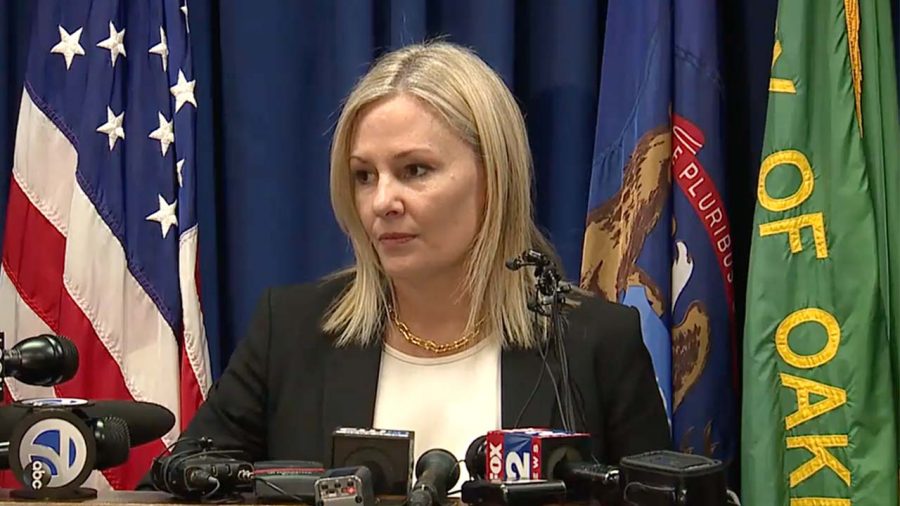
The Metro: Sacred Spaces highlights Black art galleries and institutions during Black History Month

Sacred Spaces is more than a tour,  it’s a celebration of cultural stewardship, collaboration, and the powerful role Black creatives play in shaping the city’s identity.

Throughout the month, nearly twenty Black-owned galleries, cultural institutions, and creative spaces have their doors open and are cross-promoting one another, inviting residents and visitors alike to experience the depth, diversity, and resilience of Detroit’s art ecosystem.

Misha McGowan is the gallery director and co-founder of Irwin House Detroit on West Grand Blvd. She also is the creator of Sacred Spaces.

We begin the conversation learning more about its origins and what’s happening right now to keep Detroit’s arts ecosystem connected. 


Listen to The Metro weekdays from 10 a.m. to noon ET on 101.9 FM and streaming on demand.

Subscribe to The Metro on Apple Podcasts, Spotify, NPR.org or wherever you get your podcasts.

Support local journalism.

WDET strives to cover what’s happening in your community. As a public media institution, we maintain our ability to explore the music and culture of our region through independent support from readers like you. If you value WDET as your source of news, music and conversation, please make a gift today.

More stories from The Metro

The post The Metro: Sacred Spaces highlights Black art galleries and institutions during Black History Month appeared first on WDET 101.9 FM.
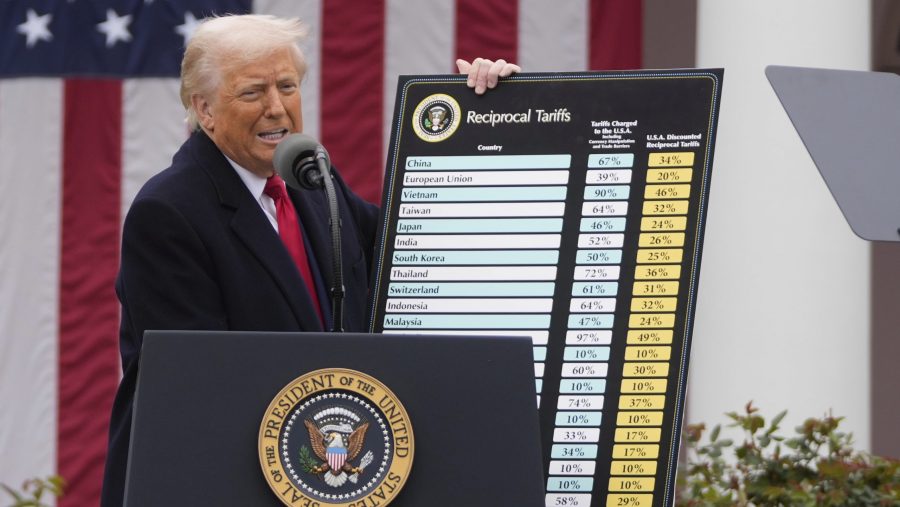
The Metro: How a fake study shaped 25 years of pesticide policy

When a government agency decides whether a chemical in your food is safe, where does the science come from? Most of us assume it’s independent. In the case of Roundup — the world’s most widely used weedkiller — the manufacturer wrote the research, and it went unchallenged for 25 years.

In 2000, a study published in the journal Regulatory Toxicology and Pharmacology concluded Roundup posed no health risk to humans. But internal Monsanto emails released in 2017 litigation revealed company employees had ghostwritten the paper. Despite that, it remained in the scientific record, cited without caveat in hundreds of academic papers and dozens of government documents worldwide.

Harvard historian of science Naomi Oreskes and researcher Alexander Kaurov changed that. Their 2025 analysis found the ghostwritten paper ranked in the top 0.1% of all cited glyphosate literature. They requested the journal retract it. In November 2025, it did, citing “serious ethical concerns.” Oreskes and Kaurov also wrote about their findings in Undark.

The retraction comes as Bayer, which acquired Monsanto in 2018, faces roughly 65,000 Roundup cancer lawsuits. On February 17, the company proposed a $7.25 billion class settlement. The U.S. Supreme Court has agreed to hear a related case this term. Bayer maintains glyphosate is safe.

Oreskes, author of “Merchants of Doubt,” joined Robyn Vincent on The Metro to discuss how one ghostwritten paper shaped pesticide policy for a generation, and what it means now that it’s been thrown out.

Hear the full conversation using the media player above.


Listen to The Metro weekdays from 10 a.m. to noon ET on 101.9 FM and streaming on demand.

Subscribe to The Metro on Apple Podcasts, Spotify, NPR.org or wherever you get your podcasts.

Trusted, accurate, up-to-date.

WDET strives to make our journalism accessible to everyone. As a public media institution, we maintain our journalistic integrity through independent support from readers like you. If you value WDET as your source of news, music and conversation, please make a gift today.

Donate today »

More stories from The Metro

The post The Metro: How a fake study shaped 25 years of pesticide policy appeared first on WDET 101.9 FM.

The Metro: Paczki Day highlights Polish culture and history

For practicing Catholics, today is the last day to indulge in some of your favorite snacks and treats before lent—and a Paczki might be the sweetest snack of all.

Fat Tuesday or Paczki day has become a staple celebration in metro Detroit since Polish immigrants first migrated here in the 1910s. Michigan is home to over 740,000 Polish Americans. Only New York and Illinois have more.

Most Polish immigrants originally lived in the city of Hamtramck, but after the Dodge Main factory in closed, many moved to suburban cities like Warren and Sterling Heights.

George Kurzatkowski is a board member of the American Polish Cultural Center in Troy. He joined the program to discuss Polish culture and history, and the meaning behind Paczki day. 

Listen to The Metro weekdays from 10 a.m. to noon ET on 101.9 FM and streaming on demand.

Subscribe to The Metro on Apple Podcasts, Spotify, NPR.org or wherever you get your podcasts.

Support local journalism.

WDET strives to cover what’s happening in your community. As a public media institution, we maintain our ability to explore the music and culture of our region through independent support from readers like you. If you value WDET as your source of news, music and conversation, please make a gift today.

More stories from The Metro

The post The Metro: Paczki Day highlights Polish culture and history appeared first on WDET 101.9 FM.

The Metro: How the Negro Leagues transformed baseball and American culture

The Negro Leagues are widely credited with revolutionizing baseball. 

The aggressive, scrappy, base-stealing style of play was an attraction for fans of all backgrounds. The league’s founder, Rube Foster, was largely responsible for introducing that mentality and bringing the league to its early success. After Foster passed in 1930, the league continued to innovate for nearly two decades. During that time, the league pioneered night games, fielded some of sports greatest players and broke the color barrier. 

Bob Kendrick, the President of the Negro Leagues Baseball Museum in Kansas City, Missouri, joined the show and details the Negro league’s lasting legacy in baseball, in sports and in American culture.

Listen to The Metro weekdays from 10 a.m. to noon ET on 101.9 FM and streaming on demand.

Subscribe to The Metro on Apple Podcasts, Spotify, NPR.org or wherever you get your podcasts.

Support local journalism.

WDET strives to cover what’s happening in your community. As a public media institution, we maintain our ability to explore the music and culture of our region through independent support from readers like you. If you value WDET as your source of news, music and conversation, please make a gift today.

More stories from The Metro

The post The Metro: How the Negro Leagues transformed baseball and American culture appeared first on WDET 101.9 FM.

The Metro: Expert tips for keeping kids safe online

On this episode of The Metro, we tackled a really serious topic: online child exploitation.

It’s a criminal act that targets the most vulnerable people in our communities, kids and teens. Online child exploitation comes in many different forms, including online grooming, enticement and solicitation.

Kathryn Seigfried-Spellar is a professor in the School of Criminal Justice at Michigan State University and an expert in the psychosocial and technological factors associated with cybercriminal behavior. She focuses on the criminological characteristics and grooming strategies of online child sex offenders.

Seigfried-Speller offers advice on keeping minors safe in our modern digital landscape.


Listen to The Metro weekdays from 10 a.m. to noon ET on 101.9 FM and streaming on demand.

Subscribe to The Metro on Apple Podcasts, Spotify, NPR.org or wherever you get your podcasts.

Trusted, accurate, up-to-date.

WDET strives to make our journalism accessible to everyone. As a public media institution, we maintain our journalistic integrity through independent support from readers like you. If you value WDET as your source of news, music and conversation, please make a gift today.

Donate today »

More stories from The Metro

The post The Metro: Expert tips for keeping kids safe online appeared first on WDET 101.9 FM.

The Metro: President Trump won’t regulate pollution. Can Michigan do that on its own?

In 2023, Governor Gretchen Whitmer signed one of the most aggressive clean energy laws in the country — requiring Michigan utilities to hit 50% renewable energy by 2030 and 100% clean electricity by 2040. That plan assumed federal policy would be moving in the same direction. Things like federal tax credits, Environmental Protection Agency regulations, and infrastructure money for electric vehicles were anticipated to follow.

But that’s not what’s happening now. Last week, the Trump administration revoked the EPA’s ability to regulate pollution.

What does that decision mean for Michigan? What does it mean for DTE and Consumers Energy, which are both tasked with transitioning to clean energy sources instead of relying on things like natural gas?

Liesl Clark is the director of climate action engagement for the University of Michigan’s School for Environment and Sustainability. She also used to run the Michigan Department of Environment, Great Lakes, and Energy. 

The Metro‘s Sam Corey spoke with the director about the president’s actions and what she would recommend the state do now.


Listen to The Metro weekdays from 10 a.m. to noon ET on 101.9 FM and streaming on demand.

Subscribe to The Metro on Apple Podcasts, Spotify, NPR.org or wherever you get your podcasts.

Trusted, accurate, up-to-date.

WDET strives to make our journalism accessible to everyone. As a public media institution, we maintain our journalistic integrity through independent support from readers like you. If you value WDET as your source of news, music and conversation, please make a gift today.

Donate today »

More stories from The Metro

The post The Metro: President Trump won’t regulate pollution. Can Michigan do that on its own? appeared first on WDET 101.9 FM.

The Metro: Ann Arbor’s bid to dump DTE and go public

If you live in southeast Michigan, chances are you have a DTE story — the kind where your food spoiled during an outage, your pipes froze while you waited for power, or the number on your energy bill last month spurred disbelief.

The data backs up that frustration. According to a report from the Citizens Utility Board of Michigan, the state ranked last in 2023 for average time to restore power after an outage, taking roughly 12 hours per incident —more than double that of any neighboring state.

Energy rates, meanwhile, continue to climb. DTE Energy has filed four rate increase requests with the Michigan Public Service Commission in five years. In 2024, the company cut power to approximately 150,000 customers for nonpayment, according to a report from the Center for Biological Diversity. That same year, DTE paid more than $607 million in dividends to shareholders while its profits surged 41%.

Now, a grassroots effort in Ann Arbor is trying to change the equation.

The group Ann Arbor for Public Power has launched a petition drive to put a question on the November 2026 ballot: whether to establish a governing board for a future city-owned electric utility. The group needs approximately 6,500 signatures to qualify for the ballot.

What happens next

If approved by voters, the measure would not immediately purchase DTE’s infrastructure. Instead, it would create a nine-member public utility board to lay the groundwork for an eventual transition away from the investor-owned utility. A separate vote would be required in the future to authorize the actual acquisition of DTE’s poles and wires.

Michigan already has roughly 40 municipal utilities in cities like Lansing, Traverse City, Holland, and Wyandotte. But none of them were formed by acquiring infrastructure from a private utility. Ann Arbor would be the first city in the state to attempt it. Organizers believe success there could open the door for other Michigan cities, including Detroit, to follow.

Sean Higgins, president of Ann Arbor for Public Power, joined Robyn Vincent on The Metro to discuss why his group believes public ownership is the path to cleaner, cheaper, and more reliable energy for Ann Arbor residents.

DTE Energy has not responded to WDET’s request for comment about this effort.

Hear the full conversation using the media player above.


Listen to The Metro weekdays from 10 a.m. to noon ET on 101.9 FM and streaming on demand.

Subscribe to The Metro on Apple Podcasts, Spotify, NPR.org or wherever you get your podcasts.

Support local journalism.

WDET strives to cover what’s happening in your community. As a public media institution, we maintain our ability to explore the music and culture of our region through independent support from readers like you. If you value WDET as your source of news, music and conversation, please make a gift today.

More stories from The Metro

The post The Metro: Ann Arbor’s bid to dump DTE and go public appeared first on WDET 101.9 FM.

The Metro: Fear is the new recession. How immigration enforcement is affecting small businesses

Across the country, small businesses in immigrant communities are reporting the same pattern: customers are disappearing, workers aren’t showing up, and revenue is in decline.

Federal immigration enforcement has reshaped daily life in these neighborhoods, and some business owners say it’s hitting them harder than COVID, in part because there’s no PPP loan or government lifeline this time around.

In Los Angeles County, the vast majority of surveyed businesses reported negative impacts, with nearly 50% losing more than half their revenue. In Chicago’s Little Village, business sales have dropped an estimated 50 to 70%. And the Brookings Institution estimates that 2025 may have been the first year in over half a century that net migration to the U.S. went negative.

That same predicament is playing out in metro Detroit. In Southwest Detroit, Dearborn, and Hamtramck, the small businesses that anchor entire neighborhoods are under growing pressure. Business owners along Vernor Highway describe empty storefronts, canceled appointments, and streets that used to bustle with foot traffic now eerily quiet. Community networks — WhatsApp alert groups, volunteer patrols, whistle distribution — have emerged to help residents maintain their daily routines.

Mark Lee is the president and CEO of The Lee Group, a consulting firm that works with small businesses on strategy, marketing, and growth across Southeast Michigan. He joined Robyn Vincent on The Metro to talk about what he’s hearing from owners on the ground.

Listen to the full conversation using the media player above.

Listen to The Metro weekdays from 10 a.m. to noon ET on 101.9 FM and streaming on demand.

Subscribe to The Metro on Apple Podcasts, Spotify, NPR.org or wherever you get your podcasts.

Support local journalism.

WDET strives to cover what’s happening in your community. As a public media institution, we maintain our ability to explore the music and culture of our region through independent support from readers like you. If you value WDET as your source of news, music and conversation, please make a gift today.

More stories from The Metro

The post The Metro: Fear is the new recession. How immigration enforcement is affecting small businesses appeared first on WDET 101.9 FM.

The Metro: A positive perspective on Michigan’s economy

How is the Trump administration doing overall at managing the economy? 

There are bright spots: inflation is down, unemployment is low, and the stock market is strong. But there are also concerns: Prices are still high in many areas, there’s been a hiring freeze across a number of industries, and most of the investments energy is are concentrated in artificial intelligence — not spread across a diverse range of sectors. 

The U.S. Chamber of Commerce is traditionally pro-free market, pro-business, and conservative leaning — and that’s also true for their partner organizations around the country.

Faye Nemer is the CEO of the Middle East North Africa American Chamber of Commerce, which operates out of Dearborn. She told producer Sam Corey that she generally likes how the Trump administration is managing the economy. She thinks the tariffs are strategic. And while Nemer realizes small businesses are hurting, she thinks that’s likely to change as national policies will trickle down to everyone else.


Listen to The Metro weekdays from 10 a.m. to noon ET on 101.9 FM and streaming on demand.

Subscribe to The Metro on Apple Podcasts, Spotify, NPR.org or wherever you get your podcasts.

Support the podcasts you love.

One-of-a-kind podcasts from WDET bring you engaging conversations, news you need to know and stories you love to hear. Keep the conversations coming. Please make a gift today.

More stories from The Metro

The post The Metro: A positive perspective on Michigan’s economy appeared first on WDET 101.9 FM.

The Metro: How connection strengthens community and civic life

Research shows that people who frequently socialize are more likely to participate in politics — to vote, attend meetings, and financially contribute to a cause.

So what does it actually take to get people out into the world and enjoy each other’s company? What are the barriers, and what breaks those barriers down?

Ian Solomon is an artist, journalist, and organizer. He’s the founder of Amplify Outside, which works to get Black Michiganders into outdoor spaces. Ian also hosts the PBS series “Ian Outside” on Great Lakes Now and recently joined Planet Detroit as its outdoors reporter. He joins the program to discuss what it looks like to build community power.

Support the podcasts you love.

One-of-a-kind podcasts from WDET bring you engaging conversations, news you need to know and stories you love to hear. Keep the conversations coming. Please make a gift today.

The post The Metro: How connection strengthens community and civic life appeared first on WDET 101.9 FM.

The Metro: The pioneer who founded the Negro Leagues

Rube Foster was a pioneer in American baseball. His efforts in the early 20th century to organize Black baseball teams sparked professional Negro Leagues. The league’s style of play, the players, and the business model would go on to arguably alter the course of U.S. history. 

Bob Kendrick, president of the Negro Leagues Baseball Museum in Kansas City, Missouri, joined the show. He describes how Foster’s grit and business savvy tactics turned a fractured era in baseball into a lasting pillar of America’s favorite pastime.

Listen to The Metro weekdays from 10 a.m. to noon ET on 101.9 FM and streaming on demand.

Subscribe to The Metro on Apple Podcasts, Spotify, NPR.org or wherever you get your podcasts.

Trusted, accurate, up-to-date.

WDET strives to make our journalism accessible to everyone. As a public media institution, we maintain our journalistic integrity through independent support from readers like you. If you value WDET as your source of news, music and conversation, please make a gift today.

Donate today »

More stories from The Metro

The post The Metro: The pioneer who founded the Negro Leagues appeared first on WDET 101.9 FM.

The Metro: A 93-year-old pipe flooded Southwest Detroit. Now GLWA wants historic rate hike

The price of water has been steadily rising in Southeast Michigan. Now, one of the steepest rate increases in the Great Lakes Water Authority’s decade-long history is up for a vote.

GLWA is proposing roughly a 7% water rate hike and a 6% sewer rate hike for the fiscal year starting July 1 — the second straight year exceeding the 4% cap the authority held for its first decade. GLWA says the money is needed to replace aging infrastructure: 83.6 miles of transmission main are past their useful life, and the system is largely funded by ratepayers.

At the authority’s January board meeting, residents pushed back. A GLWA representative acknowledged that 155,000 Detroiters are already enrolled in water assistance programs, roughly one in four residents.

Noah Kincade, who leads Detroit Documenters for Outlier Media, joined Robyn Vincent to break down what’s driving the increase, how rates are set, and what residents can do.

Listen to the full conversation above.

How to get involved

Residents can contact state lawmakers about Senate Bills 248–256, which address water affordability, or call We the People of Detroit’s water hotline at 1-844-429-2837. The GLWA board holds its public hearing and vote on Feb. 25 at the Water Board Building (735 Randolph St., Detroit) and via Zoom. Last year, public testimony led the board to reduce its proposed hike before the final vote.

Listen to The Metro weekdays from 10 a.m. to noon ET on 101.9 FM and streaming on demand.

Subscribe to The Metro on Apple Podcasts, Spotify, NPR.org or wherever you get your podcasts.

Trusted, accurate, up-to-date.

WDET strives to make our journalism accessible to everyone. As a public media institution, we maintain our journalistic integrity through independent support from readers like you. If you value WDET as your source of news, music and conversation, please make a gift today.

Donate today »

More stories from The Metro

The post The Metro: A 93-year-old pipe flooded Southwest Detroit. Now GLWA wants historic rate hike appeared first on WDET 101.9 FM.
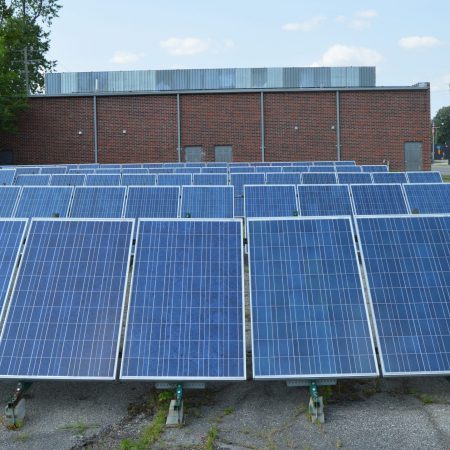
The Metro: Metro Detroit’s transit gap is wide. RTA’s plan to close it is slow by design

In metro Detroit, the vast majority of residents live within a 10-minute drive of a grocery store. But if you don’t have a reliable car, it’s a different story. Less than half of residents can reach those same stores by walking, biking, or taking a bus. And the same pattern holds for schools and healthcare facilities. 

We need to do better at linking the city and suburbs by bus, bike, and foot— but how?

Ben Stupka is the executive director of the Regional Transit Authority of Southeast Michigan. He spoke with Robyn Vincent about what the RTA hopes to accomplish this year to connect neighborhoods and people.


Listen to The Metro weekdays from 10 a.m. to noon ET on 101.9 FM and streaming on demand.

Subscribe to The Metro on Apple Podcasts, Spotify, NPR.org or wherever you get your podcasts.

Support local journalism.

WDET strives to cover what’s happening in your community. As a public media institution, we maintain our ability to explore the music and culture of our region through independent support from readers like you. If you value WDET as your source of news, music and conversation, please make a gift today.

More stories from The Metro

The post The Metro: Metro Detroit’s transit gap is wide. RTA’s plan to close it is slow by design appeared first on WDET 101.9 FM.

❌