Reading view

There are new articles available, click to refresh the page.

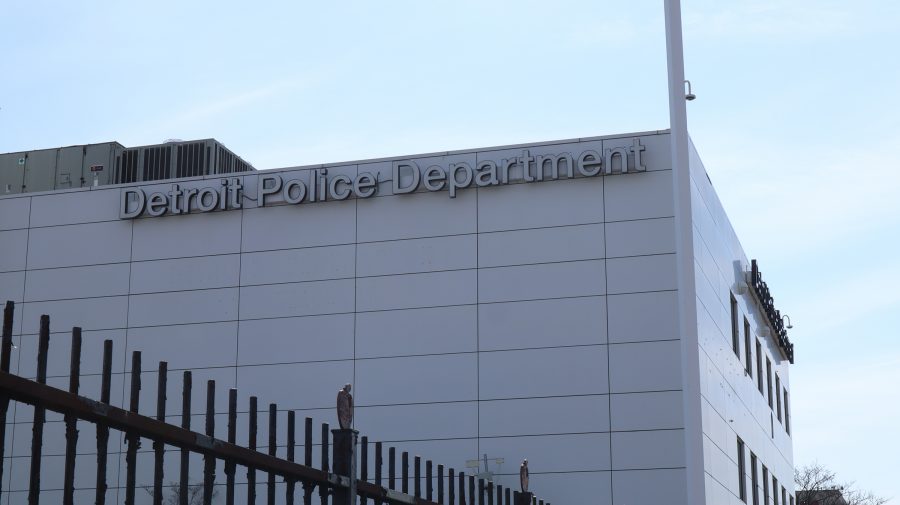
The Metro: Detroit police chief said the line was clear. His officers crossed it anyway

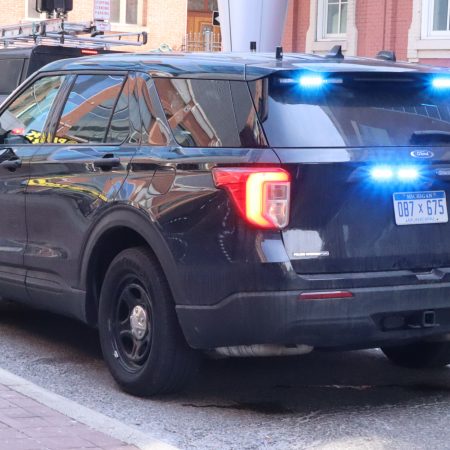
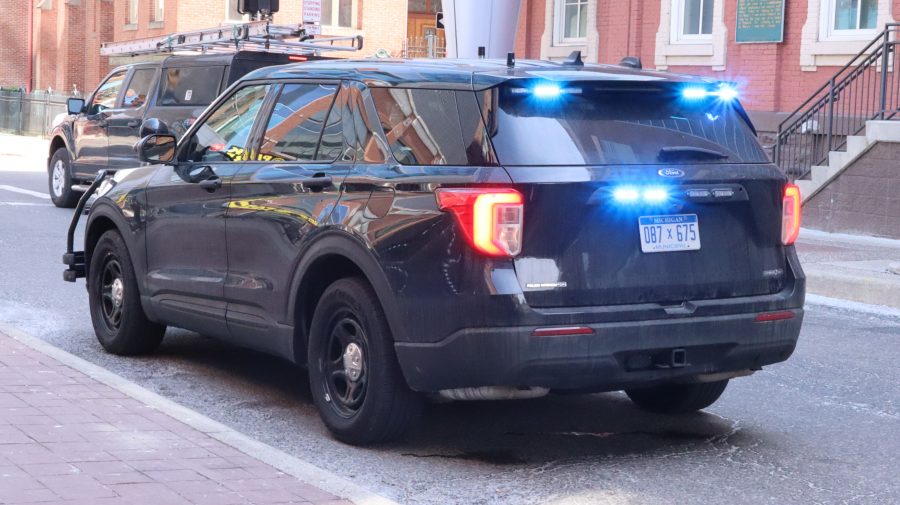
Communities across Michigan are asking how, exactly, local law enforcement is working with federal immigration agents as the Trump administration steps up aggressive enforcement, including the killing of two Americans in Minneapolis. In Detroit, that question is playing out on the pages of two police personnel files. 

Detroit Police Chief Todd Bettison vowed to fire two officers who broke department rules by calling U.S. Border Patrol during traffic stops, handing people over to federal immigration agents. Then he dropped the terminations.

In one stop, an officer called Border Patrol, believing the person was undocumented. In the other, a sergeant called for help communicating with a driver who didn’t speak English, though the department runs a 24-hour translation hotline.

DPD policy — stemming from a 2007 anti-profiling ordinance and a 2020 internal directive — bars officers from contacting Border Patrol, ICE, or any federal agency for translation or immigration enforcement. 

Outlier Media’s public records requests turned up at least two more incidents the chief did not disclose.

Ahead of the Board of Police Commissioners’ vote on the suspensions, The Metro’s Robyn Vincent spoke with Noah Kincade, who runs the Documenters program at Outlier Media

The Detroit Documenters helped surface these cases at police commission meetings. 

ICE and CBP did not respond to WDET’s requests for comment about this story.

Hear the full conversation using the media player above.

Editor’s Note: After this interview aired, the Board of Police Commissioners voted 10–0 to suspend both officers without pay for 30 days. Bettison, who said he would terminate them, backed off the next morning. His reversal comes after one officer sued in federal court, claiming her lieutenant ordered the call, and Michigan Republican House Speaker Matt Hall threatened to review Detroit’s state funding in response to the case.

Listen to The Metro weekdays from 10 a.m. to noon ET on 101.9 FM and streaming on demand.

Subscribe to The Metro on Apple PodcastsSpotifyNPR.org or wherever you get your podcasts.

Support the podcasts you love.

One-of-a-kind podcasts from WDET bring you engaging conversations, news you need to know and stories you love to hear. Keep the conversations coming. Please make a gift today.

More stories from The Metro

The post The Metro: Detroit police chief said the line was clear. His officers crossed it anyway appeared first on WDET 101.9 FM.

The Metro: Millions of Iranians want the regime gone. They don’t agree on what’s next

Something is breaking open in Iran — and it’s been building for months. A war, then an uprising, then a massacre, and now a nuclear deal on the table.

Last summer, Israel and the United States bombed Iran’s nuclear sites in a 12-day war. In late December, millions of Iranians took to the streets in the largest protests since the 1979 revolution, driven by economic collapse, a cratering currency, and decades of grievance. The regime responded with what human rights groups are calling the worst government massacre in Iran’s modern history — a crackdown that, according to the U.S.-based Human Rights Activists News Agency, has killed thousands of protesters. The government imposed a near-total internet blackout, and many families still cannot reach their loved ones.

This week, American and Iranian negotiators sat down in Geneva to try to cut a nuclear deal. Iran’s foreign minister said the two sides reached an understanding on “guiding principles,” though both sides acknowledged significant gaps remain. The talks are mediated by Oman and come as the U.S. deploys two aircraft carrier strike groups to the region.

But here’s what most coverage misses: the millions of Iranians who want this regime gone don’t agree on what should come next.

Saeed Khan, Associate Professor of Near Eastern Studies and Global Studies at Wayne State University and a research fellow at the Center for the Study of Citizenship, joined Robyn Vincent on The Metro to break down why what happens inside Iran matters far beyond its borders.

Hear the full conversation using the media player above.


Listen to The Metro weekdays from 10 a.m. to noon ET on 101.9 FM and streaming on demand.

Subscribe to The Metro on Apple Podcasts, Spotify, NPR.org or wherever you get your podcasts.

Trusted, accurate, up-to-date.

WDET strives to make our journalism accessible to everyone. As a public media institution, we maintain our journalistic integrity through independent support from readers like you. If you value WDET as your source of news, music and conversation, please make a gift today.

Donate today »

More stories from The Metro

The post The Metro: Millions of Iranians want the regime gone. They don’t agree on what’s next appeared first on WDET 101.9 FM.

The Metro: How a fake study shaped 25 years of pesticide policy

When a government agency decides whether a chemical in your food is safe, where does the science come from? Most of us assume it’s independent. In the case of Roundup — the world’s most widely used weedkiller — the manufacturer wrote the research, and it went unchallenged for 25 years.

In 2000, a study published in the journal Regulatory Toxicology and Pharmacology concluded Roundup posed no health risk to humans. But internal Monsanto emails released in 2017 litigation revealed company employees had ghostwritten the paper. Despite that, it remained in the scientific record, cited without caveat in hundreds of academic papers and dozens of government documents worldwide.

Harvard historian of science Naomi Oreskes and researcher Alexander Kaurov changed that. Their 2025 analysis found the ghostwritten paper ranked in the top 0.1% of all cited glyphosate literature. They requested the journal retract it. In November 2025, it did, citing “serious ethical concerns.” Oreskes and Kaurov also wrote about their findings in Undark.

The retraction comes as Bayer, which acquired Monsanto in 2018, faces roughly 65,000 Roundup cancer lawsuits. On February 17, the company proposed a $7.25 billion class settlement. The U.S. Supreme Court has agreed to hear a related case this term. Bayer maintains glyphosate is safe.

Oreskes, author of “Merchants of Doubt,” joined Robyn Vincent on The Metro to discuss how one ghostwritten paper shaped pesticide policy for a generation, and what it means now that it’s been thrown out.

Hear the full conversation using the media player above.


Listen to The Metro weekdays from 10 a.m. to noon ET on 101.9 FM and streaming on demand.

Subscribe to The Metro on Apple Podcasts, Spotify, NPR.org or wherever you get your podcasts.

Trusted, accurate, up-to-date.

WDET strives to make our journalism accessible to everyone. As a public media institution, we maintain our journalistic integrity through independent support from readers like you. If you value WDET as your source of news, music and conversation, please make a gift today.

Donate today »

More stories from The Metro

The post The Metro: How a fake study shaped 25 years of pesticide policy appeared first on WDET 101.9 FM.

The Metro: Ann Arbor’s bid to dump DTE and go public

If you live in southeast Michigan, chances are you have a DTE story — the kind where your food spoiled during an outage, your pipes froze while you waited for power, or the number on your energy bill last month spurred disbelief.

The data backs up that frustration. According to a report from the Citizens Utility Board of Michigan, the state ranked last in 2023 for average time to restore power after an outage, taking roughly 12 hours per incident —more than double that of any neighboring state.

Energy rates, meanwhile, continue to climb. DTE Energy has filed four rate increase requests with the Michigan Public Service Commission in five years. In 2024, the company cut power to approximately 150,000 customers for nonpayment, according to a report from the Center for Biological Diversity. That same year, DTE paid more than $607 million in dividends to shareholders while its profits surged 41%.

Now, a grassroots effort in Ann Arbor is trying to change the equation.

The group Ann Arbor for Public Power has launched a petition drive to put a question on the November 2026 ballot: whether to establish a governing board for a future city-owned electric utility. The group needs approximately 6,500 signatures to qualify for the ballot.

What happens next

If approved by voters, the measure would not immediately purchase DTE’s infrastructure. Instead, it would create a nine-member public utility board to lay the groundwork for an eventual transition away from the investor-owned utility. A separate vote would be required in the future to authorize the actual acquisition of DTE’s poles and wires.

Michigan already has roughly 40 municipal utilities in cities like Lansing, Traverse City, Holland, and Wyandotte. But none of them were formed by acquiring infrastructure from a private utility. Ann Arbor would be the first city in the state to attempt it. Organizers believe success there could open the door for other Michigan cities, including Detroit, to follow.

Sean Higgins, president of Ann Arbor for Public Power, joined Robyn Vincent on The Metro to discuss why his group believes public ownership is the path to cleaner, cheaper, and more reliable energy for Ann Arbor residents.

DTE Energy has not responded to WDET’s request for comment about this effort.

Hear the full conversation using the media player above.


Listen to The Metro weekdays from 10 a.m. to noon ET on 101.9 FM and streaming on demand.

Subscribe to The Metro on Apple Podcasts, Spotify, NPR.org or wherever you get your podcasts.

Support local journalism.

WDET strives to cover what’s happening in your community. As a public media institution, we maintain our ability to explore the music and culture of our region through independent support from readers like you. If you value WDET as your source of news, music and conversation, please make a gift today.

More stories from The Metro
The post The Metro: Ann Arbor’s bid to dump DTE and go public appeared first on WDET 101.9 FM.

The Metro: Fear is the new recession. How immigration enforcement is affecting small businesses

Across the country, small businesses in immigrant communities are reporting the same pattern: customers are disappearing, workers aren’t showing up, and revenue is in decline.

Federal immigration enforcement has reshaped daily life in these neighborhoods, and some business owners say it’s hitting them harder than COVID, in part because there’s no PPP loan or government lifeline this time around.

In Los Angeles County, the vast majority of surveyed businesses reported negative impacts, with nearly 50% losing more than half their revenue. In Chicago’s Little Village, business sales have dropped an estimated 50 to 70%. And the Brookings Institution estimates that 2025 may have been the first year in over half a century that net migration to the U.S. went negative.

That same predicament is playing out in metro Detroit. In Southwest Detroit, Dearborn, and Hamtramck, the small businesses that anchor entire neighborhoods are under growing pressure. Business owners along Vernor Highway describe empty storefronts, canceled appointments, and streets that used to bustle with foot traffic now eerily quiet. Community networks — WhatsApp alert groups, volunteer patrols, whistle distribution — have emerged to help residents maintain their daily routines.

Mark Lee is the president and CEO of The Lee Group, a consulting firm that works with small businesses on strategy, marketing, and growth across Southeast Michigan. He joined Robyn Vincent on The Metro to talk about what he’s hearing from owners on the ground.

Listen to the full conversation using the media player above.

Listen to The Metro weekdays from 10 a.m. to noon ET on 101.9 FM and streaming on demand.

Subscribe to The Metro on Apple Podcasts, Spotify, NPR.org or wherever you get your podcasts.

Support local journalism.

WDET strives to cover what’s happening in your community. As a public media institution, we maintain our ability to explore the music and culture of our region through independent support from readers like you. If you value WDET as your source of news, music and conversation, please make a gift today.

More stories from The Metro

The post The Metro: Fear is the new recession. How immigration enforcement is affecting small businesses appeared first on WDET 101.9 FM.

The Metro: A 93-year-old pipe flooded Southwest Detroit. Now GLWA wants historic rate hike

The price of water has been steadily rising in Southeast Michigan. Now, one of the steepest rate increases in the Great Lakes Water Authority’s decade-long history is up for a vote.

GLWA is proposing roughly a 7% water rate hike and a 6% sewer rate hike for the fiscal year starting July 1 — the second straight year exceeding the 4% cap the authority held for its first decade. GLWA says the money is needed to replace aging infrastructure: 83.6 miles of transmission main are past their useful life, and the system is largely funded by ratepayers.

At the authority’s January board meeting, residents pushed back. A GLWA representative acknowledged that 155,000 Detroiters are already enrolled in water assistance programs, roughly one in four residents.

Noah Kincade, who leads Detroit Documenters for Outlier Media, joined Robyn Vincent to break down what’s driving the increase, how rates are set, and what residents can do.

Listen to the full conversation above.

How to get involved

Residents can contact state lawmakers about Senate Bills 248–256, which address water affordability, or call We the People of Detroit’s water hotline at 1-844-429-2837. The GLWA board holds its public hearing and vote on Feb. 25 at the Water Board Building (735 Randolph St., Detroit) and via Zoom. Last year, public testimony led the board to reduce its proposed hike before the final vote.

Listen to The Metro weekdays from 10 a.m. to noon ET on 101.9 FM and streaming on demand.

Subscribe to The Metro on Apple Podcasts, Spotify, NPR.org or wherever you get your podcasts.

Trusted, accurate, up-to-date.

WDET strives to make our journalism accessible to everyone. As a public media institution, we maintain our journalistic integrity through independent support from readers like you. If you value WDET as your source of news, music and conversation, please make a gift today.

Donate today »

More stories from The Metro

The post The Metro: A 93-year-old pipe flooded Southwest Detroit. Now GLWA wants historic rate hike appeared first on WDET 101.9 FM.

The Metro: A former Detroit police chief spent his career building trust. He says ICE is dismantling it

Federal immigration agents have been involved in at least 30 shootings since President Trump returned to office — eight of them fatal. In almost every case, the administration declared the agents’ actions justified before any investigation was complete.

Two of those killings happened in Minneapolis within three weeks of each other: Renee Good on January 7 and Alex Pretti on January 24. Both were U.S. citizens, age 37, and in both cases, masked federal officers opened fire, and the Trump administration’s initial accounts were later contradicted by video evidence.

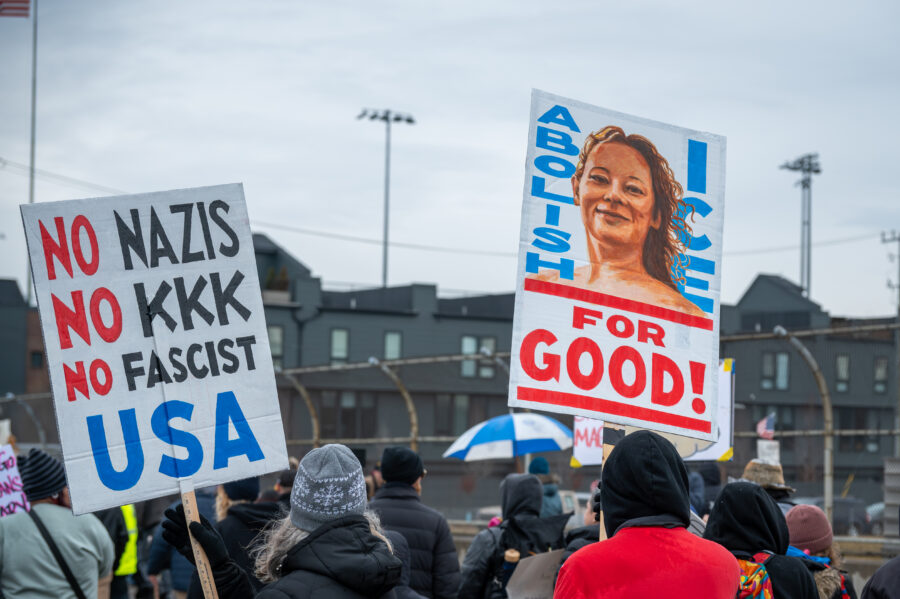
Their deaths spurred protests across the country and accelerated a growing push by local and state governments to impose limits on federal immigration agents.

Local Pushback

In Detroit, City Council member Mary Waters has introduced the Alex Pretti Detroit No Masks Ordinance, which would prohibit any law enforcement officer — local, state, or federal — from concealing their face while performing their duties in the city. The proposal has been referred to committee but has not yet received a vote.

At the state level, the Michigan Senate held hearings last month on a package of bills aimed at how federal immigration enforcement operates in the state. They would ban law enforcement masks, bar ICE from operating in schools, hospitals, and houses of worship, and prevent state agencies from sharing data with federal immigration authorities.

Former chief warns about anonymity in law enforcement

Ike McKinnon led the Detroit Police Department in the mid-90s, laying the foundation for the community policing model in place today.

Former Detroit Police Chief Isaiah “Ike” McKinnon was among those who testified in support of the bills.

McKinnon joined the Detroit Police Department in 1965. Two years later, during the 1967 Detroit uprising, fellow white officers pulled him over while he was in full uniform, put a gun to his head, and shot at him. During that same period, officers across the department were removing their badges to avoid being identified. McKinnon survived — and stayed on the force. In 1993, Mayor Dennis Archer appointed him Detroit’s second Black police chief. Over five years, he overhauled the department’s approach to community trust.

Now 82, McKinnon told Michigan senators he sees the same pattern repeating: officers who conceal their identities operate without accountability.

He spoke with The Metro’s Robyn Vincent about how local police should respond to this moment.

Use the media player above to hear the conversation.

Listen to The Metro weekdays from 10 a.m. to noon ET on 101.9 FM and streaming on demand.

Subscribe to The Metro on Apple Podcasts, Spotify, NPR.org or wherever you get your podcasts.

Support local journalism.

WDET strives to cover what’s happening in your community. As a public media institution, we maintain our ability to explore the music and culture of our region through independent support from readers like you. If you value WDET as your source of news, music and conversation, please make a gift today.

More stories from The Metro

The post The Metro: A former Detroit police chief spent his career building trust. He says ICE is dismantling it appeared first on WDET 101.9 FM.

The Metro: The bus is running. The question is how well

After years of pandemic disruption, driver shortages, and declining public trust, Southeast Michigan’s transit agencies say they’re finally back on their feet.

There are new labor contracts. New buses on the way. On-demand service pilots. Even a regional transit app designed to knit a fragmented system together.

But recovery doesn’t always feel like progress… especially if you’re still waiting 40 minutes for a bus that’s supposed to come every 10.

At a recent State of Transit meeting hosted by Transportation Riders United, transit leaders struck a cautiously optimistic tone. They said the crisis is over. But questions remain about access, equity, and reliability.

Noah Kincade leads Detroit Documenters, a civic journalism program where trained residents attend public meetings and take detailed notes to help the rest of us stay informed. He joined The Metro’s Robyn Vincent to examine how transit officials are framing the system’s rebound and how those claims compare with riders’ experiences.


Listen to The Metro weekdays from 10 a.m. to noon ET on 101.9 FM and streaming on demand.

Subscribe to The Metro on Apple Podcasts, Spotify, NPR.org or wherever you get your podcasts.

Trusted, accurate, up-to-date.

WDET strives to make our journalism accessible to everyone. As a public media institution, we maintain our journalistic integrity through independent support from readers like you. If you value WDET as your source of news, music and conversation, please make a gift today.

Donate today »

More stories from The Metro

The post The Metro: The bus is running. The question is how well appeared first on WDET 101.9 FM.

The Metro: The fight to document lasting harm of Michigan’s Native boarding schools continues

For more than a century in the United States, Native children were forcibly removed from their families and sent to boarding schools. Designed to strip students of their languages, cultures, and identities, the schools were created through federal policy, supported by state governments, and often operated by religious institutions. 

In Michigan, this system lasted longer than many people realize, with some open into the late 20th century. 

There have been some moves to reconcile this, what many consider a genocidal policy of assimilation. 

The state commissioned a study on boarding schools that was completed but never released publicly. Attorney General Dana Nessel has since launched a criminal investigation. The state, meanwhile, says it now plans to release the report.

At the same time, America is living through a moment that Native people recognize. The federal government is again separating families and using dehumanizing language to justify sweeping enforcement policies.

Leora Tadgerson’s work is pushing Michigan toward a reckoning led by Tribal nations. A citizen of Gnoozhikaaning, Bay Mills, and Wiikwemkong First Nations, Tadgerson is director of Reparations and Justice for the Episcopal Diocese of Northern Michigan. She also co-chairs the national Truth, Justice, and Healing Commission on Native Boarding Schools for The Episcopal Church

Leora Tadgerson

She joined Robyn Vincent on The Metro to discuss the history and lasting impacts of Native American boarding schools in Michigan and what justice and healing looks like.

Listen to The Metro weekdays from 10 a.m. to noon ET on 101.9 FM and streaming on demand.

Subscribe to The Metro on Apple Podcasts, Spotify, NPR.org or wherever you get your podcasts.

Trusted, accurate, up-to-date.

WDET strives to make our journalism accessible to everyone. As a public media institution, we maintain our journalistic integrity through independent support from readers like you. If you value WDET as your source of news, music and conversation, please make a gift today.

Donate today »

More stories from The Metro

The post The Metro: The fight to document lasting harm of Michigan’s Native boarding schools continues appeared first on WDET 101.9 FM.

The Metro: The inner workings of ICE and the origins of immigration policing

The killing of two American citizens in Minneapolis by federal immigration officers has forced the country to look more closely at Immigration and Customs Enforcement. When applying that closer lens, that scrutiny moves beyond individual agents to the system itself. It’s one built through laws, budgets, and a long-standing decision to treat immigration as a criminal problem.

César Cuauhtémoc García Hernández, a law professor at Ohio State University, studies the once less known aspects of the U.S. system: where immigration enforcement operates like criminal policing, and detention functions like punishment even when the government calls it “civil.”

His latest book is “Welcome the Wretched: In Defense of the ‘Criminal Alien.'”

García Hernández joined Robyn Vincent on The Metro to discuss what kind of immigration system is actually being built in the name of Americans, and how we got here.

Listen to The Metro weekdays from 10 a.m. to noon ET on 101.9 FM and streaming on demand.

Subscribe to The Metro on Apple PodcastsSpotifyNPR.org or wherever you get your podcasts.


Trusted, accurate, up-to-date.

WDET strives to make our journalism accessible to everyone. As a public media institution, we maintain our journalistic integrity through independent support from readers like you. If you value WDET as your source of news, music and conversation, please make a gift today.

Donate today »

More stories from The Metro

The post The Metro: The inner workings of ICE and the origins of immigration policing appeared first on WDET 101.9 FM.

The Metro: A reporter’s view from Minneapolis with lessons for Detroit

What does it feel like when a city has its breath taken away—not just by frigid weather, but by sudden shocking violence that cuts into the lives of neighbors and friends?

In Minneapolis, there is a texture to the streets that doesn’t show up in social media clips. Day after day, in bitter cold, people have come together protesting, marching, and organizing neighborhood watches. Their gatherings have been sparked by a wave of federal immigration enforcement in the city and by two fatal shootings.

On Jan. 7, ICE agent Jonathan Ross fatally shot 37-year-old Renee Good, a Minneapolis resident. The Hennepin County medical examiner ruled her death a homicide. Video evidence has raised serious questions about whether the force used was justified.

Then, on Jan. 24, Border Patrol agents killed 37-year-old Alex Pretti. Federal officials initially claimed Pretti violently resisted and brandished a gun. But video footage, eyewitnesses, and independent reporting refute those claims. The discrepancy between the official account and the evidence has become a flashpoint for protests and calls for accountability.

In recent weeks, journalist Hamilton Nolan has been on the ground in Minneapolis, walking with people in the cold, listening to residents, and trying to make sense of what “resistance” looks like right now. He’s written about what he’s seen and heard in his Substack newsletter How Things Work

He joined Robyn Vincent on The Metro to discuss what he saw on the ground and what Detroit can learn from Minneapolis.

Listen to The Metro weekdays from 10 a.m. to noon ET on 101.9 FM and streaming on demand.

Subscribe to The Metro on Apple PodcastsSpotifyNPR.org or wherever you get your podcasts.

Trusted, accurate, up-to-date.

WDET strives to make our journalism accessible to everyone. As a public media institution, we maintain our journalistic integrity through independent support from readers like you. If you value WDET as your source of news, music and conversation, please make a gift today.

Donate today »

More stories from The Metro

The post The Metro: A reporter’s view from Minneapolis with lessons for Detroit appeared first on WDET 101.9 FM.

The Metro: As inflation eases, many Detroit small businesses still struggle

Small businesses are often described as the backbone of the economy. But in moments of stress, they can also be an early warning system.

In metro Detroit, inflation has slowed — consumer prices in the Detroit area rose about two percent over the past year, but that has not translated into relief for many households or business owners. Spending remains cautious, and many small business owners say they are no longer planning for growth. Instead, they are focused on endurance.

One pressure point keeps coming up in conversations with owners: health care. Small-business health insurance plans in Michigan are set to rise again in 2026, while tens of thousands fewer Michiganders are enrolling in individual marketplace coverage this year as premiums increase and federal assistance shrinks.

The result is a heavy load for small businesses. They are helping families stay afloat, providing places for connection and routine in neighborhoods, and absorbing rising costs that often land directly on owners.

In this conversation, The Metro’s Robyn Vincent examines how small businesses have become survival engines, community anchors, and stress points all at once — and what that means for workers, customers, and neighborhoods across metro Detroit.

Our guest is Mark Lee, president of the LEE Group, a consulting firm that works with small businesses on strategy, marketing, and growth. Lee also teaches business at Michigan universities and regularly speaks with owners across southeast Michigan about the challenges they’re facing.

Listen to The Metro weekdays from 10 a.m. to noon ET on 101.9 FM and streaming on demand.

Subscribe to The Metro on Apple PodcastsSpotifyNPR.org or wherever you get your podcasts.

Support local journalism.

WDET strives to cover what’s happening in your community. As a public media institution, we maintain our ability to explore the music and culture of our region through independent support from readers like you. If you value WDET as your source of news, music and conversation, please make a gift today.

More stories from The Metro

The post The Metro: As inflation eases, many Detroit small businesses still struggle appeared first on WDET 101.9 FM.

The Metro: What it means to be an American in 2026

Who wrote the Federalist Papers? What power does the president have? Name one right only U.S. citizens possess.

Those are real questions from the U.S. citizenship civics test. The test now draws from 128 possible questions. It asks up to 20 on the spot. Individuals must answer at least 12 correctly to pass.

Many native-born Americans would struggle with questions like these.

As immigration enforcement intensifies in the United States and federal authorities expand arrests and deportation efforts, the question of what it means to be an American is being thrust into public view.

That is because citizenship isn’t just something written on a test. It is a lived experience, felt in neighborhoods, courtrooms, and in the center of our political conversation.

To unpack what it means to be an American, and how that’s changed over time, The Metro‘s Robyn Vincent spoke with Marc Kruman. He’s a retired professor of history at Wayne State University and the founding director of its Center for the Study of Citizenship

Listen to The Metro weekdays from 10 a.m. to noon ET on 101.9 FM and streaming on demand.

Subscribe to The Metro on Apple Podcasts, Spotify, NPR.org or wherever you get your podcasts.

Support local journalism.

WDET strives to cover what’s happening in your community. As a public media institution, we maintain our ability to explore the music and culture of our region through independent support from readers like you. If you value WDET as your source of news, music and conversation, please make a gift today.

More stories from The Metro

The post The Metro: What it means to be an American in 2026 appeared first on WDET 101.9 FM.

The Metro: The cost of fewer visas and voices on campus

Every fall, college campuses come alive with small rituals: new students finding their way, roommates negotiating shared space, classrooms filling with questions and ideas.

But this year, something is missing.

International students—once a steady presence—are arriving in far smaller numbers. At the University of Michigan-Dearborn, the change is felt in classrooms, group projects, and everyday conversations that no longer happen.

Behind the absence are visa delays, shifting federal rules, and a broader signal. The Trump administration is advancing a more nationalist, transactional approach to foreign policy, and the U.S. is increasingly seen abroad as unpredictable. For students deciding where to study, that uncertainty matters.

Gabriella Scarlatta, interim chancellor of the University of Michigan-Dearborn, and a former international student herself, says what’s happening on campus reflects something larger about how welcome America feels right now. She joined Robyn Vincent on The Metro to explain what Michigan risks losing.

Listen to The Metro weekdays from 10 a.m. to noon ET on 101.9 FM and streaming on demand.

Subscribe to The Metro on Apple Podcasts, Spotify, NPR.org or wherever you get your podcasts.

Support local journalism.

WDET strives to cover what’s happening in your community. As a public media institution, we maintain our ability to explore the music and culture of our region through independent support from readers like you. If you value WDET as your source of news, music and conversation, please make a gift today.

More stories from The Metro

The post The Metro: The cost of fewer visas and voices on campus appeared first on WDET 101.9 FM.

The Metro: From Minneapolis to Detroit, civil disobedience and the economics of justice

There are weeks when the news feels like weather; something that happens over there, something you brace for and then move through.

And then there are times when it lands in your body.

In the last few weeks, vigils have spread across the country after a federal immigration officer killed Renee Good. People are mourning, but they’re also organizing — and not just with signs and speeches. Some are choosing disruption. Some are choosing civil disobedience. They’re asking a blunt question: if systems can take a life in broad daylight and then argue about vocabulary, what exactly are we supposed to do with our grief?

Detroiters know what it means to be extracted from, written off, and still survive. And that makes these stories feel like different chapters of the same book— a book about power, and whose lives it’s allowed to break.

To help us read that book more clearly, Robyn Vincent spoke with Saqib Bhatti of the Action Center on Race and the Economy. His work traces the money behind public pain, and it asks what happens when communities confront the power brokers who, he says, are facilitating that pain.

Listen to The Metro weekdays from 10 a.m. to noon ET on 101.9 FM and streaming on demand.

Subscribe to The Metro on Apple Podcasts, Spotify, NPR.org or wherever you get your podcasts.

Support local journalism.

WDET strives to cover what’s happening in your community. As a public media institution, we maintain our ability to explore the music and culture of our region through independent support from readers like you. If you value WDET as your source of news, music and conversation, please make a gift today.

More stories from The Metro

The post The Metro: From Minneapolis to Detroit, civil disobedience and the economics of justice appeared first on WDET 101.9 FM.

The Metro: Fewer killings in Detroit and what made it possible

Detroit ended 2026 with fewer people killed than it’s seen in decades: 165 homicides.

That number carries an enormous amount of grief. But it is also a sharp turn from where the city was just a few years ago, when violence rose alongside deep disruption, loss, and instability wrought by the pandemic.

Whenever numbers like this drop, there is a rush to explain them, to credit a program, a policy, or personality.

But behind the statistics are hushed forces: housing stability, courtrooms, community trust, the slow work of keeping people from falling through cracks most of us never see.

Detroit Justice Center has been working for years in the background of Detroit’s public safety story, often far from patrol cars and police tape. Executive director Nancy A. Parker joined The Metro’s Robyn Vincent to discuss how this work has helped lower Detroit’s crime rate and what it means to repair a system from the inside.

Listen to The Metro weekdays from 10 a.m. to noon ET on 101.9 FM and streaming on demand.

Subscribe to The Metro on Apple PodcastsSpotifyNPR.org or wherever you get your podcasts.


Trusted, accurate, up-to-date.

WDET strives to make our journalism accessible to everyone. As a public media institution, we maintain our journalistic integrity through independent support from readers like you. If you value WDET as your source of news, music and conversation, please make a gift today.

Donate today »

More stories from The Metro

The post The Metro: Fewer killings in Detroit and what made it possible appeared first on WDET 101.9 FM.

The Metro: Santiago-Romero presses Detroit to define limits on ICE activity

During President Trump’s second term, immigration enforcement has become more dangerous and more visible. 

Detention has expanded rapidly. Last year was the deadliest year in more than two decades. Federal records show people have continued to die in custody in the opening days of this year.

There have also been multiple fatal shootings at the hands of on-duty and off-duty ICE agents in recent months. 

In Minneapolis, an ICE agent shot and killed Renee Nicole Good. That killing prompted lawsuits from Minnesota and its largest cities. There were also resignations inside the Justice Department after leadership declined to open a customary civil rights investigation.

Other people have also been killed by ICE agents, including Silverio Villegos González near Chicago and Keith Porter Jr. in California. Those deaths, though, did not trigger the same national response.

In Detroit, City Council Member Gabriela Santiago-Romero is pushing the city to act. She represents Southwest Detroit and chairs the City Council’s Public Health and Safety Committee. She’s asking whether Detroit can legally restrict ICE activity on city property and in sensitive areas, such as schools and hospitals. 

Santiago-Romero joined Robyn Vincent on The Metro to discuss how cities can respond when federal immigration enforcement becomes more aggressive, and how local governments weigh responsibility, risk, and trust.


Listen to The Metro weekdays from 10 a.m. to noon ET on 101.9 FM and streaming on demand.

Subscribe to The Metro on Apple Podcasts, Spotify, NPR.org or wherever you get your podcasts.

Trusted, accurate, up-to-date.

WDET strives to make our journalism accessible to everyone. As a public media institution, we maintain our journalistic integrity through independent support from readers like you. If you value WDET as your source of news, music and conversation, please make a gift today.

Donate today »

More stories from The Metro

The post The Metro: Santiago-Romero presses Detroit to define limits on ICE activity appeared first on WDET 101.9 FM.

The Metro: Power, money and silence — Michigan politics this week

In Michigan, hundreds of millions of dollars that people are counting on remain frozen.

Last year’s state budget included roughly $645 million in “work-project” funding for things like local roads, public safety, and community services. But in December, House Republicans voted to block it. With that money still on hold, projects aren’t moving.

The Democrat-controlled Senate voted to restore the funding

This week, Attorney General Dana Nessel said the committee didn’t have the constitutional authority to do that, calling it an improper “legislative committee veto.” 

House Republicans are considering a court challenge. 

Meanwhile, lawmakers debate tax breaks for data centers, how cannabis revenue should be used, and the regulation of consumable hemp products—decisions that affect utility bills, road repairs, and small businesses.

Politics reporter for the Michigan Public Radio Network, Colin Jackson, joined Robyn Vincent to break down the constitutional fight over the funding freeze and what it reveals about power, process, and everyday life in Michigan.


Listen to The Metro weekdays from 10 a.m. to noon ET on 101.9 FM and streaming on demand.

Subscribe to The Metro on Apple Podcasts, Spotify, NPR.org or wherever you get your podcasts.

Trusted, accurate, up-to-date.

WDET strives to make our journalism accessible to everyone. As a public media institution, we maintain our journalistic integrity through independent support from readers like you. If you value WDET as your source of news, music and conversation, please make a gift today.

Donate today »

More stories from The Metro

The post The Metro: Power, money and silence — Michigan politics this week appeared first on WDET 101.9 FM.
The Metro: As environmental rules roll back, a religious authority remains silent

For more than half a century, the American environmental movement has struck a familiar rhythm: alarm, action, and industry backlash.

The first Earth Day in 1970 helped launch the modern movement, and by the end of that year, the Environmental Protection Agency was born. It was a promise that government had a crucial role to play, that it could protect our air and water from industry polluters.

Over the decades, that promise has ebbed and flowed: environmental rules were expanded under presidents from both parties, then pared back under others, only to be reinforced again as new science and public pressure emerged.

Critics — including historian Douglas Brinkley and former EPA administrators from both parties — argue the rollback push is an attempt to turn back decades of federal environmental protections.

Meanwhile, a striking silence is showing up in a place with massive moral reach. A new large-scale study of more than 700,000 Catholic parish sermons finds that climate change is rarely mentioned, even after the late Pope Francis issued some of the strongest language on climate change written by a religious leader.

Harvard historian of science Naomi Oreskes led that research. She joined The Metro’s Robyn Vincent to discuss the price of that silence.


Listen to The Metro weekdays from 10 a.m. to noon ET on 101.9 FM and streaming on demand.

Subscribe to The Metro on Apple Podcasts, Spotify, NPR.org or wherever you get your podcasts.

Trusted, accurate, up-to-date.

WDET strives to make our journalism accessible to everyone. As a public media institution, we maintain our journalistic integrity through independent support from readers like you. If you value WDET as your source of news, music and conversation, please make a gift today.

Donate today »

More stories from The Metro

The post The Metro: As environmental rules roll back, a religious authority remains silent appeared first on WDET 101.9 FM.

❌