Login
LoginCuriosiD: From seed to star, a Christmas tradition takes root
In this episode of CuriosiD, we begin to answer the question:
What happens to the Campus Martius tree after the holidays?
… By first looking into where our Christmas trees come from.
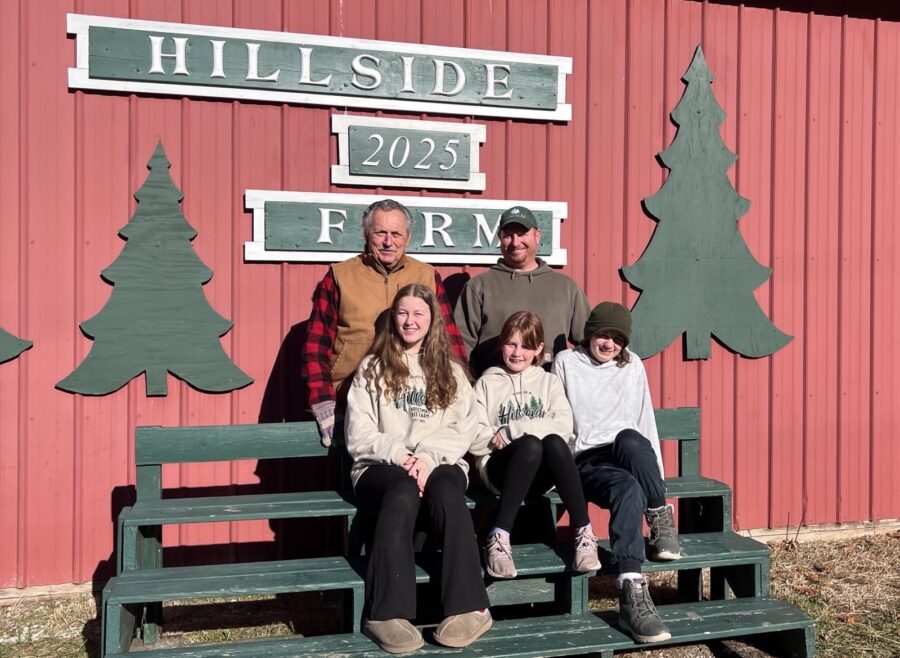
At Hillside Christmas Tree Farm in southern Michigan, the work of growing holiday trees begins long before December.
Tony Stefani runs the multi-generation family operation, and also serves as president of the Michigan Christmas Tree Association. He first became involved with the organization more than a decade ago, after his father brought him to a growers’ meeting.
“I had no idea how large this industry truly is,” he says. “There’s a farm in Michigan that sells a million trees annually. It’s quite astonishing when you consider the scale of this business.”
What customers want to know
Customers at Hillside Christmas Tree Farm often ask how long their trees will last. Stefani says a fresh-cut tree should hold up through the holidays. “I’ve received photos in mid-February showing trees still standing and even beginning to sprout new growth,” he says.
Another category of questions has to do with ornaments. “I’m very detail-oriented,” Stefani says. “If you have heavy decorations, I recommend certain species based on their characteristics.”
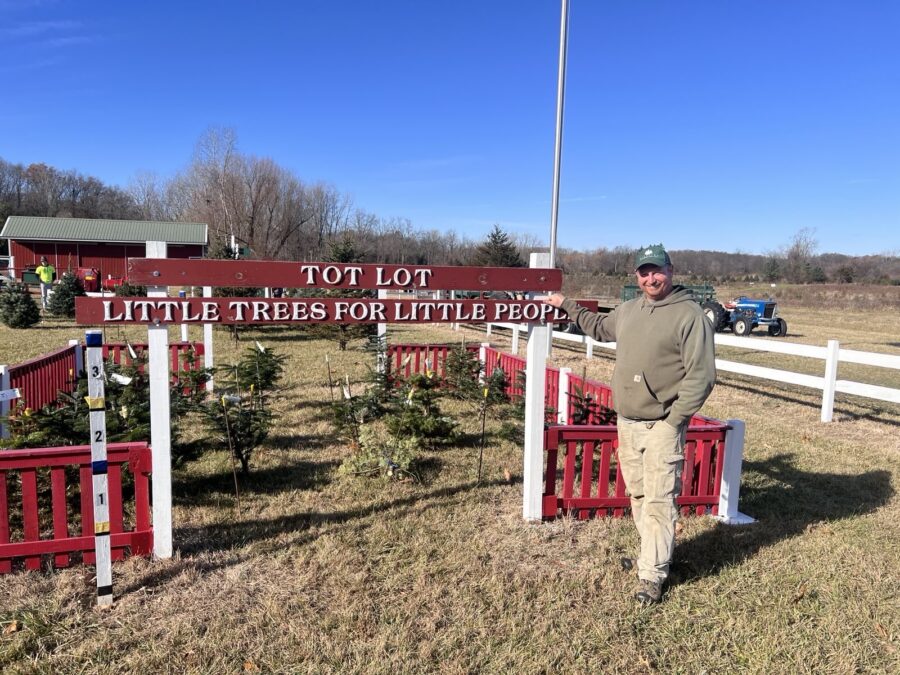
Tree height is also a growing topic, especially as more homes are built with vaulted ceilings. He says, “There is a strong market for tall trees…but taller trees are generally older [and take] more time in the ground, more effort, and higher costs.”
Better for the environment?
Questions about sustainability are becoming increasingly common, and Stefani believes the benefits of real Christmas trees are clear.
“We offer a product that spends seven to ten years growing in nature, supporting various microecosystems, ” Stefani says. “One acre of trees produces enough oxygen for 18 people.”
He contrasts that with artificial trees, which are “manufactured on assembly lines from petroleum-based materials,” arguing that there’s no environmental case in their favor.
Real trees are also biodegradable. He says that after the holiday season, a tree can be recycled and mulched. “On our farm, we recycle the waste and return it to the land, something that can’t be done with artificial trees,” Stefani says.
A Michigan tree heads to the White House
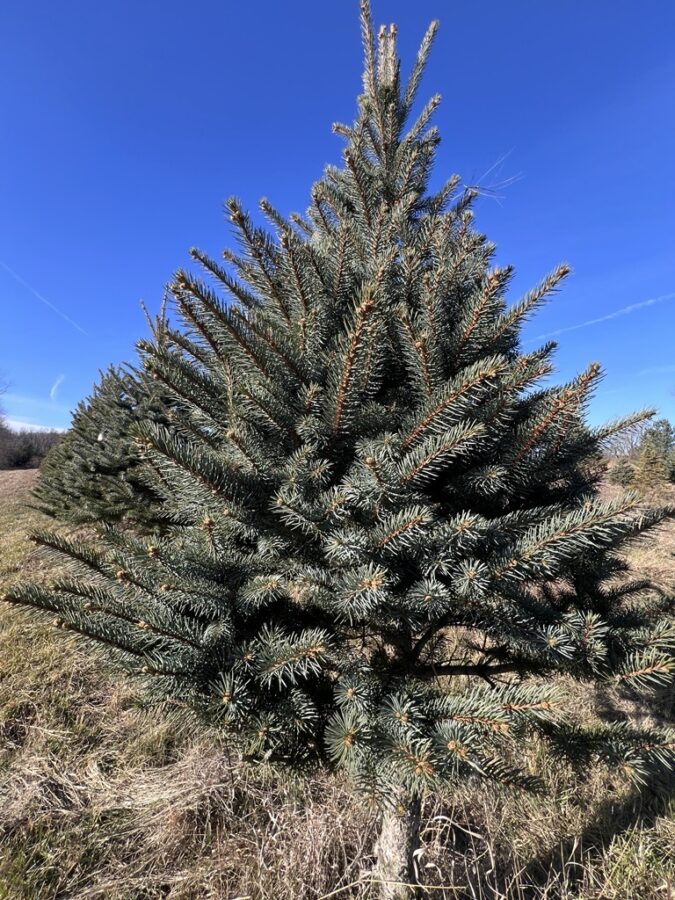
This year, Michigan earned national attention in the industry. “For the first time in 38 or 40 years, Michigan won the national competition,” Stefani says. Corson’s Tree Farm will send a roughly 15-foot concolor fir to the White House.
“If you win the state competition, you can compete nationally,” he explains. “And if you win nationally, your tree is presented to the president and the first lady.”
Beyond the holidays
Hillside has become a hub for other members of the community. Beekeepers place hives on the property during the summer. Search-and-rescue teams train their dogs on the acreage. Falconers and professional photographers also make use of the farm.
“We’ve hosted hives for supporting pollination,” Stefani said. “Search and rescue training, falconry activities, and collaborations with photographers seeking scenic backgrounds are also part of what we do.”
It takes time to grow
Stefani says one of the biggest misconceptions about the industry is how much time it takes for a Christmas tree to grow to commercial height. “I wish people understood how long these trees are actually in the ground,” he said. “The trees we harvested this year were planted back in 2016.”
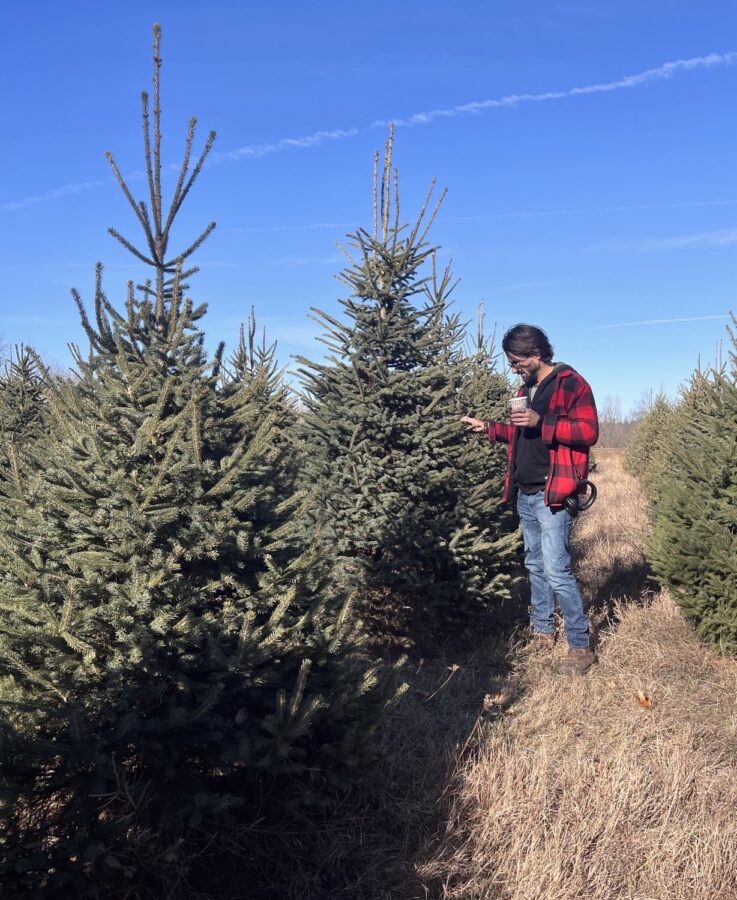
As president of the Michigan Christmas Tree Association, Stefani says many growers worry about how difficult it is to enter the business, mainly because trees take years to mature before they can be sold.
“Our biggest competitor is the artificial tree,” he says. “Entering this business can be quite difficult for new growers. You’re typically looking at a 7 to 10-year period before you start recouping your investment.”
As the holiday season approaches, he says one of the things he wants those searching for the perfect Christmas tree to understand is the time, energy, and effort it takes to bring this holiday centerpiece to your home.
Stay tuned for the next CuriosiD, where we answer what happens to our Christmas trees after the holidays.
WDET’s CuriosiD series answers your questions about everything Detroit. Subscribe to CuriosiD on Apple Podcasts, Spotify, NPR.org or wherever you get your podcasts.
We want to hear from you!
Have a question about southeast Michigan’s history or culture? Send it our way at wdet.org/curiosid, or fill out the form below. You ask, we answer.
Want more stories like this? Sign up for WDET’s weekly newsletter and never miss a curiosity uncovered.
Support the podcasts you love.
One-of-a-kind podcasts from WDET bring you engaging conversations, news you need to know and stories you love to hear. Keep the conversations coming. Please make a gift today.
More CuriosiD
CuriosiD: From seed to star, a Christmas tradition takes root
A WDET listener wanted to know what happened to the big tree in Campus Martius after the holiday season… but first, we take a look at Michigan’s Christmas tree industry to provide more context.

CuriosiD: The untold history of Detroit’s Fortune Records
On this episode of CuriosiD, we answer a question from WDET listener David Perry about one of Detroit’s most diverse and eccentric record labels.
CuriosiD: What happened to the Cobo Hall Christmas Carnival?
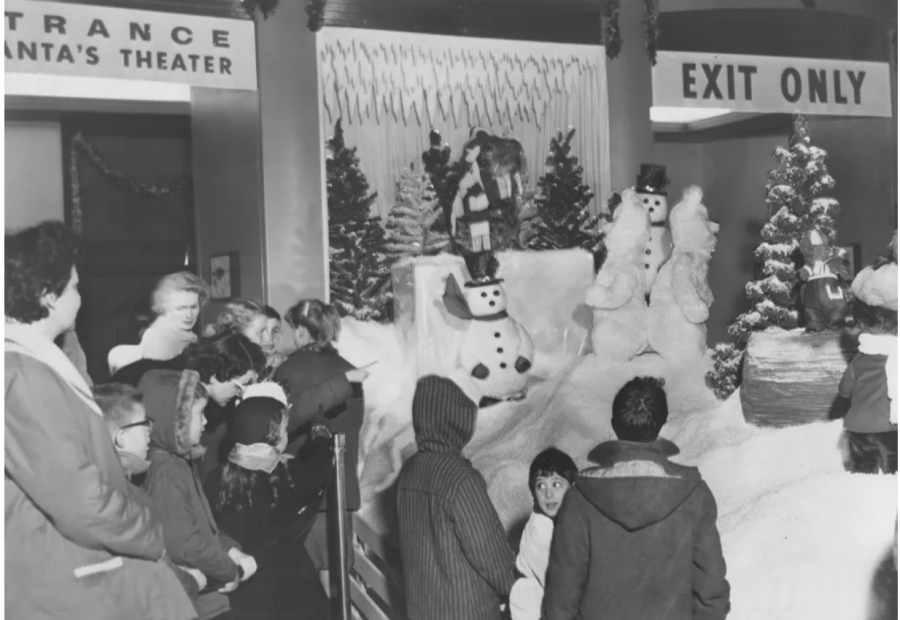
In this episode of “CuriosiD,” we answer a question about a beloved Detroit holiday tradition that ran for nearly 40 years before quietly ending in 2002.
The post CuriosiD: From seed to star, a Christmas tradition takes root appeared first on WDET 101.9 FM.



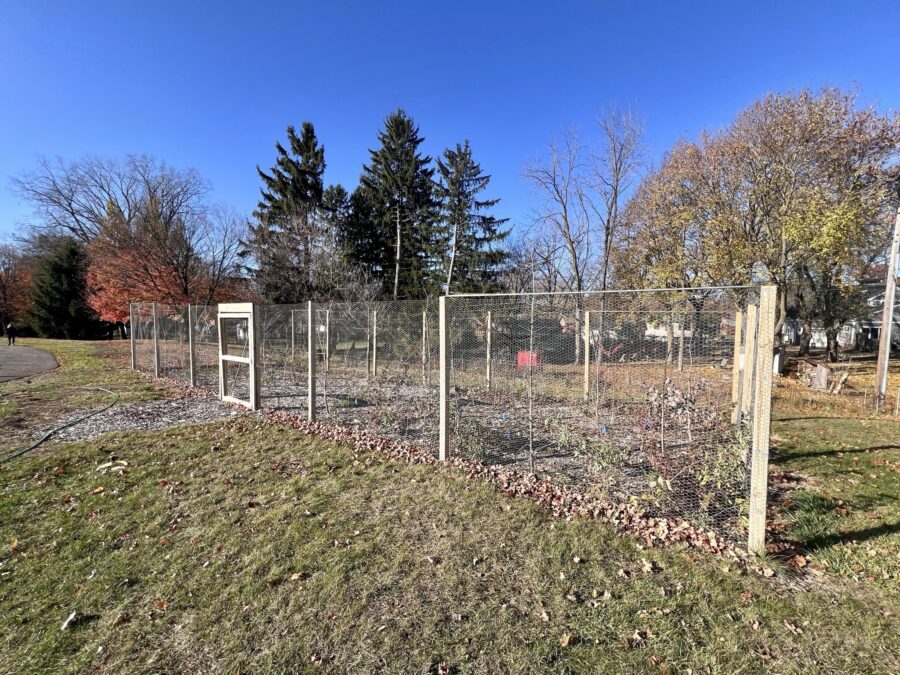 Trent based Rochester’s micro forest on the famous Miyawaki method of planting native plants, trees and shrubs thirty times as dense as usual, a very different method of helping water mitigation, pollinator species support, and carbon capture than re-foresting or rewilding land. “We’re not trying to replicate a forest,” Trent adds.