Michigan’s schools are increasingly tasked with more than teaching.
They are expected to raise reading and math scores, address rising mental health needs, manage technology and discipline, and serve as safe, stable places for families under stress. In some communities, they’re also absorbing fear sparked by immigration enforcement actions. That includes the detention of Detroit students seeking asylum.
This is the landscape facing Michigan’s new top education official.
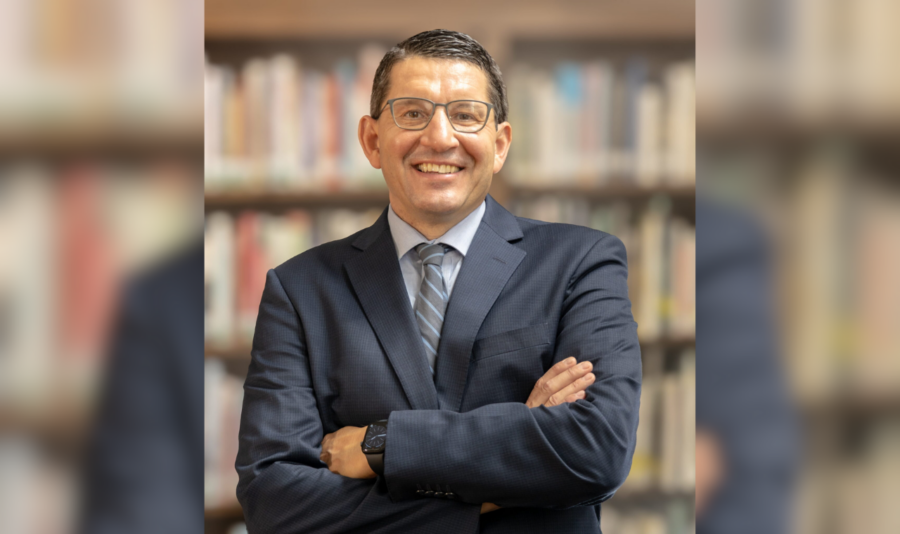
Dr. Glenn Maleyko was sworn in last month as State Superintendent of Public Instruction. He steps into the new role after nearly a decade leading Dearborn Public Schools. He has identified literacy as his priority and launched a statewide listening tour.
The Metro’s Robyn Vincent sat down with Maleyko to learn how he plans to lead a system being asked to do more than it was designed to handle.
Listen to The Metro weekdays from 10 a.m. to noon ET on 101.9 FM and streaming on demand.
WDET strives to make our journalism accessible to everyone. As a public media institution, we maintain our journalistic integrity through independent support from readers like you. If you value WDET as your source of news, music and conversation, please make a gift today.
When he was to gather with family at his grandparents’ house for Christmas dinner this year, Edward Constantineau of Sterling Heights planned to be surrounded by the people who pushed him to fight to recover from the hardest thing he’s ever faced in his young life, a hurdle he’s still working to overcome.
Constantineau was just 19, working out at his local gym in March of this year, when he suffered the unimaginable for a teenager: a stroke. He underwent immediate surgery on a bleed in his brain and later went through six weeks of inpatient rehab at a facility in Detroit, learning how to move again, talk and regain fine motor skills.
But through it all, Constantineau said his biggest motivator as he’s gone through rehab and fought to recover has been “my family and friends.”
“My family was always there,” said Constantineau, now 20. “I mean, my mom never left my side.”
Henry Ford Health officials say Constantineau’s story highlights the importance of early detection and rapid treatment of strokes, only about 10-15% of which occur in people younger than 50. Constantineau’s stroke was caused by a rare condition called arteriovenous malformation, in which arteries and veins mesh together without capillaries connecting them, said his neurologist, Dr. Mohammed Rehman.
Constantineau didn’t know he had the malformation at the time, but it ruptured.
Rehman said that in Edward’s case, the gym receptionist called 911 “right away.”
“If you ever have a neurological deficit … or you think something is going on and something is off, don’t hesitate” to call 911, Rehman said.
Looking back on her son’s ordeal and how it started, Stephanie Constantineau, Edward’s mom, thinks he “saved his own life” by asking for help when he was in the gym and felt his arm weaken. He was the one who asked the receptionist to call 911.
“I definitely believe there was a stronger force with him, watching over him,” she said. “I don’t know, a guardian angel, if you will.”
And Rehman believes Constantineau’s steadfast support system and drive to get better have played a role in his “remarkable” recovery.
“That’s a very rare thing I see, because at his age, when you face something like this, it’s very tough to cope with a lot of things,” Rehman said. “And I could tell, Eddie was driven.”
The stroke
Constantineau, a 2023 graduate of Henry Ford II High School, where he played varsity baseball, said he doesn’t have any memory of the stroke, but he has been told that it started soon after he got to his gym, The Edge Fitness Clubs, on March 14.
As he was doing lat pulldowns, an exercise that involves pulling down a weighted bar attached to a gym machine while seated, he felt his left arm go weak. He asked the gym’s receptionist to call 911; she also called his parents.
Paramedics brought Constantineau to Henry Ford Macomb Hospital in Clinton Township, where they quickly performed surgery.
The next couple of days were “kind of a blur,” Stephanie Constantineau recalled. She describes them as “emotional” and “hard.” She felt helpless as a parent.
“I think the first 48 to 72 hours were really touch and go with him, like it was just like getting him through those first three days to see how, if he was going to recover from the surgeries,” she said.
A rare medical condition
Rehman, a neuroendovascular physician at Henry Ford Health, said most strokes are caused by a blockage of a blood vessel, while others are caused by a bleed in the brain. He said one of the rare causes of a bleed in the brain is an arteriovenous malformation.
Capillaries connect arteries to veins in the body. An arteriovenous malformation (AVM) is a jumble of arteries and veins with no capillaries between them, according to the Cleveland Clinic. The incidence of the condition is around 1 in 100,000 people. The malformations typically occur in the brain, and they’re usually present from birth, according to Henry Ford Health.
Rehman said AVMs often present in young people, and bleeding most commonly occurs between the ages of 10 and 40. He said the Henry Ford Health system sees three to five ruptured arteriovenous malformations a year, and it also sees around 40 to 50 people a year whose malformations haven’t ruptured. AVMs cause symptoms such as severe headaches, seizures or weakness as damage builds, he said.
Dr. Mark Goldberger, a neurosurgeon, did the initial surgery on Constantineau, removing a significant amount of blood from the brain. In the following weeks, his doctors did a few angiograms, or blood vessel tests. In the second angiogram, they discovered the AVM, Stephanie Constantineau said.
Rehman said it took Constantineau at least five to seven days to wake up from the initial surgery ― he was in a coma. Overall, he spent 27 days in the intensive care unit.
“It’s heartbreaking to see your son go through something like this and not know how it’s gonna end up,” Stephanie Constantineau said, tearfully. “Like I say, ‘You just put all your faith in God and the doctors, and just trust that everything’s going to be OK.’ But it’s hard, because we have two other kids.”
She said she never left her son’s side. She spent every night at the hospital and would return home briefly to shower.
The therapy process
After leaving the hospital, Constantineau spent 43 days in inpatient rehabilitation. He said the beginning of the recovery process was “the toughest.”
“I was at a stage where I couldn’t even sit up straight,” he said, referring to when he was in the hospital and the early days of rehab. “I had lost all my muscle and was just sitting in a wheelchair, which was tough every single day. I just felt like stuck in a place where I couldn’t even move.”
He said therapy was “intense” and “very constant,” occurring five or more days a week. He underwent occupational, physical and speech therapy, the latter of which was necessary because he had “no voice after coming off of intubation,” he said.
Constantineau said fine motor skills were “the most frustrating” part of therapy, and he’s still working on it.
“He still doesn’t have, like, mobility of his left hand, like the wrist and fingers, yet,” said Stephanie Constantineau, adding that the recovery takes “a good 18 months.”
“I mean, we haven’t lost hope,” she said. “He works hard every single day.”
At home, Constantineau continues to do therapy each day, he said. In his family’s basement, he does exercises his therapist has recommended and rides on a stationary bike.
“I’ve been trying to adjust to getting back into my regular life by hanging out with friends” and taking an online class at Macomb Community College this fall, he said.
The signs of stroke
Rehman said in an email that strokes can affect anyone at any age, though the likelihood of it increases with age. He said about 10-15% of strokes occur in people under 50. He urged everyone, including young people, to be aware of the signs of a stroke and shared the acronym F.A.S.T. It stands for “Facial drooping, Arm weakness, Slurred speech, Time to call 911.”
He said that if you or anyone around you experiences these symptoms, you should seek medical attention immediately.
“The fact that Eddie sought help immediately when he began experiencing symptoms is incredibly important,” he said. “That allowed 911 to be called and emergency care to be administered quickly. When a stroke occurs, every second counts. The faster a person seeks treatment, the better their outcome.”
His plans for the future
In January, Constantineau will resume in-person classes at MCC, where he is studying exercise science. He plans to re-do the classes he was taking when the stroke occurred earlier this year.
After finishing his associate’s degree, he plans to transfer to Oakland University and is planning to go into health care, either as a nurse or a physician assistant. Constantineau said he originally wanted to go into health care because of his interest in sports, but after everything he’s experienced since his stroke, it has reinforced his decision to go into the field.
Looking back on his experience, Constantineau said the early days of his recovery were “rough” — “I think I was stuck in that ‘why me?’ mentality” — but is now “very confident” with the progress he has made. But he also knows that recovery takes time.
“I think that’s the tough part … just waiting all that time, but … I’m definitely optimistic for the future,” he said.
Constantineau plans to resume in-person classes at MCC, where he is studying exercise science. (David Guralnick, Detroit News/The Detroit News/TNS)
The new year is a time when many try to start new good habits and commit to improving health and wellness.
But resolutions, lofty as they may be, can turn daunting quickly with all the advice and sometimes contradicting information coming at you from news reports, advertisers, influencers, friends and even politicians.
But they don’t have to be.
This year, The Associated Press got the downlow on all manner of health and wellness claims and fads. The good news is that the experts mostly say to keep it simple.
As 2026 arrives, here’s what you can skip, what you should pay attention to and how to get credible information when you are inevitably faced with more confusing claims next year.
FILE – People run on treadmills at Life Time Athletic May 8, 2020, in Oklahoma City. (AP Photo/Sue Ogrocki, File)
Protein and fiber are important, but you probably don’t need to pay more
When it comes to your diet, experts say most people can skip the upcharge. If you’re eating enough, you’re probably getting enough protein and don’t need products that promise some big boost.
And it’s true that most people could use more fiber in their diets. But, please, ditch the “fiber-maxxing” trend. Instead, eat whole foods such as fruits, vegetables, beans and whole grains.
A good skin care routine is not expensive or complicated
That 20-step skin care routine and $200 serum some TikToker sold you on? Dermatologists say you really don’t need it. Stay away from the beef tallow and slather on a good sunscreen instead (yes, even if you have darker skin ), they say.
And the same rule for simplicity applies to that hourlong “everything shower.” The best showers are simple and short, dermatologists say, no “double cleansing” required.
FILE – Jackie Brennan, of Merrimac, Mass., front, pedals on a stationary exercise bike with others during a spinning class in a parking lot outside Fuel Training Studio,Sept. 21, 2020, in Newburyport. (AP Photo/Steven Senne, File)
There are many simple ways to get that workout in
If the gym and all its equipment feel intimidating, you can drop the illusion that a good workout requires either. This year, the comeback of calisthenics put the focus back on no frills, bodyweight workouts you can do in the comfort of home. Research shows calisthenics helps with muscle strength and aerobic conditioning. You may eventually need weightlifting or other equipment, but it is a great place to start to build consistency and confidence.
Be wary of wellness fads and treatments — they are often too good to be true
Even if you imbibe too much this New Year’s Eve, doctors say you can do without “IV therapy” which have vitamins you can get more easily and cheaper in pill form — if you even need more, which is unlikely if you have a balanced diet. You’re pretty much just paying for “expensive urine,” one doctor said.
Same for “wellness” focused products like microbiome testing kits that generate information that doctors can’t actually act on. And if you don’t have diabetes, there’s scant evidence that you need a continuous glucose monitor.
FILE – A free blood pressure machine is used at the public library in Kansas City, Mo., on Nov. 19, 2024. (AP Photo/Nick Ingram, File)
To improve your health, go back to the basics
The idea of a panacea pill, product or routine can be enticing. But science already knows a lot about how to improve mental and physical health, and they are tried and true:
1. Whether you’re in the city or the country — walk more. Research shows walking is great for physical and mental health. It’s so good for you, doctors are literally prescribing time in the outdoors to their patients.2. Take steps to get certain health metrics under control, like high blood pressure, which often goes undiagnosed and is known to cause a range of health problems down the road. Prioritize getting enough sleep, and make sure your family does too. Don’t just eat right — eat slower.3. Give your mind some care too. Set better boundaries with your technology and regain and retrain your attention span. Build out your social networks and invest in all forms of love for the people around you.
These lifestyle changes don’t just make you feel better in the moment. Research shows they impact your life for years to come, by lowering the risk of dementia and many other health issues.
Don’t know who to trust? Start with your doctor
It can be tough to know who to listen to about your health, faced with compelling personal stories on social media from people who swear something worked from them, or clever marketing and advertising from companies that scare you or promise an easy fix.
While the medical system is not perfect, your doctor remains the best person to talk to about prevention, health concerns and potential treatments.
If you can’t get to a human doctor and turn to Dr. Google instead, be sure to follow these tips and never use it to diagnose yourself. When you do get that doctor’s appointment, you can make the most of it by bringing a list of written questions — and don’t hesitate to ask for any clarification you need.
The Associated Press Health and Science Department receives support from the Howard Hughes Medical Institute’s Department of Science Education and the Robert Wood Johnson Foundation. The AP is solely responsible for all content.
FILE – A man is silhouetted against the sky at sunset as he jogs in a park at the close of a hot summer day, Aug. 1, 2022, in Kansas City, Mo. (AP Photo/Charlie Riedel, File)
NEW YORK (AP) — Enhanced tax credits that have helped reduce the cost of health insurance for the vast majority of Affordable Care Act enrollees expired overnight, cementing higher health costs for millions of Americans at the start of the new year.
In the end, no one’s efforts were enough to save the subsidies before their expiration date. A House vote expected in January could offer another chance, but success is far from guaranteed.
The change affects a diverse cross-section of Americans who don’t get their health insurance from an employer and don’t qualify for Medicaid or Medicare — a group that includes many self-employed workers, small business owners, farmers and ranchers.
It comes at the start of a high-stakes midterm election year, with affordability — including the cost of health care — topping the list of voters’ concerns.
“It really bothers me that the middle class has moved from a squeeze to a full suffocation, and they continue to just pile on and leave it up to us,” said 37-year-old single mom Katelin Provost, whose health care costs are set to jump. “I’m incredibly disappointed that there hasn’t been more action.”
Some families grapple with insurance costs that are doubling, tripling or more
The expired subsidies were first given to Affordable Care Act enrollees in 2021 as a temporary measure to help Americans get through the COVID-19 pandemic. Democrats in power at the time extended them, moving the expiration date to the start of 2026.
With the expanded subsidies, some lower-income enrollees received health care with no premiums, and high earners paid no more than 8.5% of their income. Eligibility for middle-class earners was also expanded.
On average, the more than 20 million subsidized enrollees in the Affordable Care Act program are seeing their premium costs rise by 114% in 2026, according to an analysis by the health care research nonprofit KFF.
Those surging prices come alongside an overall increase in health costs in the U.S., which are further driving up out-of-pocket costs in many plans.
Some enrollees, like Salt Lake City freelance filmmaker and adjunct professor Stan Clawson, have absorbed the extra expense. Clawson said he was paying just under $350 a month for his premiums last year, a number that will jump to nearly $500 a month this year. It’s a strain for the 49-year-old but one he’s willing to take on because he needs health insurance as someone who lives with paralysis from a spinal cord injury.
Others, like Provost, are dealing with steeper hikes. The social worker’s monthly premium payment is increasing from $85 a month to nearly $750.
Effects on enrollment remain to be seen
Health analysts have predicted the expiration of the subsidies will drive many of the 24 million total Affordable Care Act enrollees — especially younger and healthier Americans — to forgo health insurance coverage altogether.
Over time, that could make the program more expensive for the older, sicker population that remains.
An analysis conducted last September by the Urban Institute and Commonwealth Fund projected the higher premiums from expiring subsidies would prompt some 4.8 million Americans to drop coverage in 2026.
But with the window to select and change plans still ongoing until Jan. 15 in most states, the final effect on enrollment is yet to be determined.
Provost, the single mother, said she is holding out hope that Congress finds a way to revive the subsidies early in the year — but if not, she’ll drop herself off the insurance and keep it only for her four-year-old daughter. She can’t afford to pay for both of their coverage at the current price.
Months of discussion, but no relief yet
Last year, after Republicans cut more than $1 trillion in federal health care and food assistance with Trump’s big tax and spending cuts bill, Democrats repeatedly called for the subsidies to be extended. But while some Republicans in power acknowledged the issue needed to be addressed, they refused to put it to a vote until late in the year.
In December, the Senate rejected two partisan health care bills — a Democratic pitch to extend the subsidies for three more years and a Republican alternative that would instead provide Americans with health savings accounts.
In the House, four centrist Republicans broke with GOP leadership and joined forces with Democrats to force a vote that could come as soon as January on a three-year extension of the tax credits. But with the Senate already having rejected such a plan, it’s unclear whether it could get enough momentum to pass.
Meanwhile, Americans whose premiums are skyrocketing say lawmakers don’t understand what it’s really like to struggle to get by as health costs ratchet up with no relief.
Many say they want the subsidies restored alongside broader reforms to make health care more affordable for all Americans.
“Both Republicans and Democrats have been saying for years, oh, we need to fix it. Then do it,” said Chad Bruns, a 58-year-old Affordable Care Act enrollee in Wisconsin. “They need to get to the root cause, and no political party ever does that.”
FILE – Pages from the U.S. Affordable Care Act health insurance website healthcare.gov are seen on a computer screen in New York, Aug. 19, 2025. (AP Photo/Patrick Sison, File)
JACKSON HOLE, Wyo. – Like millions of other Americans, Stacy Newton turns to Healthcare.gov to shop for health insurance for her family. The Affordable Care Act website, according to the government, is where consumers are supposed to find “a menu of health insurance plans.”
But for the Newtons and many others in the country, next year’s menu is severely limited: There is only one company offering ACA plans here – and costs have risen steeply.
To continue health coverage for themselves and their two teenage children, the Newtons would have to pay an annual premium of $43,000 – about a third of their gross income. It is the price of the cheapest plan available to the family from Blue Cross Blue Shield of Wyoming, the only ACA insurer left in Teton County.
This year, millions of American families that have relied on ACA, popularly known as Obamacare, are being squeezed on multiple sides: Premiums are rising, the covid-era subsidies that helped pay for those policies are shrinking, and there are fewer choices with insurers pulling out of some markets.
The squeeze here is a symptom of broader trouble in American health care. In western Wyoming and other regions, the expected rollback of enhanced subsidies has destabilized the economics of Obamacare, pushing some insurers to retreat from the government-supported market because it won’t be profitable.
That is leaving consumers such as the Newtons with little choice but to buy a pricey, unsubsidized policy from a local monopoly.
Next year, the number of counties with only one company providing Obamacare will jump from 72 to 146, according the Robert Wood Johnson Foundation. That number is expected to rise further if, as appears likely, Congress fails to renew the enhanced subsidies.
Newton and her husband, Derek, each run a small business – she is an independent sales representative, and he outfits vans – and like many entrepreneurs, they have relied on the ACA for health insurance. But this year, the price of their policy rose 34 percent, and the federal subsidy that helped them pay for it is due to go away. At the same time, they know they will need medical care: Last year, Newton, 51, was diagnosed with chronic leukemia.
“It’s terrifying,” she said. “We’re not rich, we’re not poor. We’re a standard, middle-class family, and somehow now I can’t afford health insurance.”
This year, the enhanced subsidies that helped middle-income people afford Obamacare plans have been stuck in partisan congressional deadlock. The subsidies expire Dec. 31, and Republicans, who hold the majority, have opposed extending them.
Anticipating that sticker shock will induce healthy people to drop out of insurance and saddle health plans with a higher proportion of the sickest, costliest patients, insurers say they must dramatically raise ACA prices or pull out of Obamacare marketplaces altogether.
Without the enhanced subsidies, “I would expect more insurers to retreat, to exit,” said Katherine Hempstead, a senior policy officer at the Robert Wood Johnson Foundation. “People will see less choice and higher prices.”
According to economic studies conducted in 2017 and 2018, another turbulent period when Obamacare insurers faced losses and political uncertainty, prices rose between 30 and 50 percent when an area was reduced to only one ACA insurer.
The problem here in Teton County began in August when the only other insurer providing ACA coverage, Mountain Health Co-op, announced it was pulling out, citing the looming expiration of the enhanced subsidies. Of the roughly 46,000 people on Obamacare in Wyoming, about 11,000 are expected to drop coverage, according to insurers.
“The basic problem with reducing the subsidies is that healthier people say ‘we can’t afford insurance’ and drop out, while the sicker population are, like, ‘Oh, my God, I still need it,’” said Alexander Muromcew, a board member of the Mountain Health Co-op. “As an insurer, you end up with a smaller and higher-risk membership, which is not sustainable.”
Muromcew said competition had been good for consumers, noting that when Mountain Health entered the market here a few years ago, Blue Cross Blue Shield dropped its prices. Now, as a monopoly, he said, Blue Cross Blue Shield has more power to dictate prices.
“Without competition, I worry that it’ll be easier for Blue Cross Blue Shield to raise rates even further,” Muromcew said.
Diane Gore, president and chief executive of Blue Cross Blue Shield of Wyoming, said she understands the frustration of people getting hit with rising premiums and lowered subsidies.
“I get it, I completely get it,” Gore said.
The company says its prices are the same across most of Wyoming, regardless of whether there is a competitor. Gore attributed this year’s price hikes, which she said were 25 percent on average, to the expectation that the remaining Obamacare customers will be sicker, and to the rising cost of medical care in rural areas, where health care providers are scarce and competition is often limited. Of every premium dollar the company collected last year, she said, 95 cents went to direct medical care.
Insurance companies don’t always find Obamacare markets profitable. Aetna, one of the largest insurance companies, announced earlier this year that it was dropping ACA coverage in 11 of 15 states. The move affected about a million Obamacare customers.
“I understand that there is rhetoric from the Beltway that the insurance companies are getting rich off of Obamacare,” Gore said. “But that’s not this insurer in Wyoming.”
‘Clearly, the system is broken’
Many people in this resort town are seasonal workers, self-employed or small-business entrepreneurs. Lacking employer insurance plans, they have come to rely on Obamacare. Among them, the anxiety is widespread.
“Clearly, the system is broken,” said Heather Huhn, an insurance broker in Jackson.
On her desk, she has a stack of files with the applications for about 30 families that she calls the “Hold Tight” pile. They are mainly people who have ongoing medical needs, such as chronic conditions or expensive prescriptions, and can’t afford to pay for health insurance at the current costs. For weeks, she said, they have been desperately waiting to see whether the government will extend the enhanced subsidies that began during the pandemic.
“They sit across from my desk and say, ‘I just don’t know what to do,’” Huhn said. “I tell them not to have a mental breakdown just yet. People are having to suffer because the government can’t figure out how to fix it.”
Sophia Schwartz, a professional skier and health care administrator here, senses similar apprehension. For years, she has been inviting groups of “ski friends,” many of whom have irregular jobs, over for dinner to counsel them on how to get health insurance.
“This was the scariest year I’ve ever done it,” said Schwartz, a former member of the U.S. ski team and now a big-mountain skier. “People came to me in pure panic.”
Considering ‘BearCare’ and other options
In desperation, many are turning to stopgap measures.
Some, especially skiers, were looking at policies at a company called Spot Insurance that cover reimbursement of medical bills incurred after accidents on the slopes. Others were looking at “healthshare” groups in which members contribute monthly to cover each other’s eligible medical bills; among the drawbacks of these programs is that elective surgeries and nonemergency treatments might not be covered.
And some were considering “short-term” insurance policies. Those are closer to conventional health insurance, but those insurers might reject applicants with medical conditions such as diabetes, heart disease or cancer.
With so many in Wyoming searching for answers, even the state is jumping in. State officials have proposed “a major medical plan” they have called “BearCare.” The policies would, at “a significantly lower price,” cover emergency situations such as “being attacked by a bear” and other more common medical catastrophes. It would not cover ongoing or chronic medical needs.
Some of those looking for conventional health insurance say the state proposal is woefully inadequate.
“I don’t worry about being bitten by a bear, I worry about getting cancer,” said Margie Lynch, 58, an energy efficiency consultant based here. For the cheapest Obamacare plan, she would have to pay $1,585 a month. Its benefits would not kick in until she paid a deductible of $10,600.
“The cost of the premium is almost as much as my mortgage,” Lynch said. “I’m lucky enough to be able to pay for it if I have to. But there are so many people out there who won’t be able to.”
Newton, Lynch and others here have shared their concerns with Wyoming’s representatives in Congress: Sen. John Barrasso, Sen. Cynthia Lummis and Rep. Harriet Hageman. All three Republican lawmakers have opposed Obamacare and criticized Democrats, who have pushed to extend the enhanced subsidies.
“Stacy’s story and experience is one of the many heartbreaking examples of how Obamacare has failed families across Wyoming,” a statement from Barrasso said. “Instead of working with Republicans to make health care more affordable for all Americans, Democrats would rather use more taxpayer dollars to bail out Obamacare and hide its failures.”
A spokesman for Lummis said, “The health care problem Americans are facing is a direct result of the Democrats’ failed Affordable Care Act – Sen. Lummis had the foresight to oppose this misguided legislation from day one.”
A spokesperson for Hageman said in a statement that “Rep. Hageman knows there are many people struggling with the weight of medical expenses, and the catastrophic failure of Obamacare is making it far worse.”
The squeeze
For years, Obamacare had worked well for the Newtons.
In 2017, when the couple were starting their businesses, their income was low – about $56,000. The price of their policy was $1,585 a month, but the standard ACA subsidy covered most of that, and the couple had to come up with only $332 monthly.
Since then, however, the prices of the premiums have risen steadily, and now, because of the expected subsidy reductions, they would no longer qualify for government help. They would have to pay full price – $3,573 monthly for the cheapest option. Even at $43,000 a year, the plan carries a $21,200 deductible, according to the paperwork Stacy Newton showed The Washington Post.
This month, the couple struggled with whether to pay that to Blue Cross Blue Shield of Wyoming, go without health insurance or find some other stopgap option. Newton was getting notices that said, in bold red lettering: “Important – You’re about to end (terminate) this coverage. If any of the people above get health care services or supplies after 12/31/2025, they’ll have to pay full cost.”
Eventually, Newton knows, she will need leukemia treatment. She’s just not sure when.
“If my leukemia acts up, I’m up a creek,” she said this month. “I just don’t have a solution yet.”
On Monday, she sent a text.
“I just officially canceled my ACA marketplace insurance for 2026,” she wrote. “How on Earth is this going to unfold for millions of people in America?
Over the holidays…we’re sharing some of the stories Detroit Evening Report hosts produced for the radio. Today…we hear a story from Nargis Rahman.
The state health department hoped to register 500 doulas in its doula registry by 2028. This fall, it had more than a thousand. That includes doulas across the state with various specialties and most are able to accept payment through Medicaid.
Nargis spoke to Dawn Shanafelt the Director of Maternal and Infant Health for the Department of Health and Human Services about the registry and efforts to export birthing assistance services in Michigan.
Outro: This is just part of Nargis Rahman’s interview with Dawn Shanafelt from the Department of Health and Human Services. You can her the full story at wdet.org.
The city’s 30 foot tall Kwanzaa Kinara join Detroit’s official Hannukah Menorah and Christmas tree in Campus Martius Friday, Dec. 26. This first day of Kwanzaa celebrates the principle Umoja or Unity.
If you missed the City’s Kinara lighting, there are Kwanzaa celebrations throughout the city until the holiday ends on New Year’s Day. The Redford Branch of the Detroit Public Library has festivities tomorrow, including arts & crafts and African dance and drumming.
For more information visit detroitpubliclibrary.org/events.
The Charles H Wright Museum of African American History will host Kwanzaa events through Monday. Festivities include performances, speakers, family-friendly activities, a vendor marketplace and candle lightings.
Each day’s schedule is a little different. Visit thewright.com/events/kwanzaa for more information.
Source Booksellers is hosting a virtual celebration of cooperative economics on the 29th with author Ben Passmore, who will talk about his book “Black Arms to Hold You Up: A History of Black Resistance.”
The event is at 5pm. To register look for Source Booksellers on Eventbrite.
Listen to the latest episode of the “Detroit Evening Report” on Apple Podcasts, Spotify, NPR.org or wherever you get your podcasts.
Support the podcasts you love.
One-of-a-kind podcasts from WDET bring you engaging conversations, news you need to know and stories you love to hear. Keep the conversations coming. Please make a gift today.
By Maria Salette Ontiveros, The Dallas Morning News
DALLAS — A new version of the common flu is spreading globally, and health officials are monitoring this evolving strain of influenza A(H3N3) Subclade K, which has been increasingly detected worldwide.
Seasonal influenza activity has increased globally in recent months, with influenza A viruses accounting for the majority of detections, according to the World Health Organization.
Health officials are closely monitoring a growing subgroup of influenza A(H3N2) viruses known as J.2.4.1, also referred to as Subclade K.
The WHO says detections of this subclade have risen rapidly since August 2025 based on genetic sequence data shared through the global GISAID database.
Current epidemiological data do not indicate increased disease severity associated with subclade K, the WHO says, though its spread reflects the continued evolution of seasonal influenza viruses.
What is subclade K?
Subclade K is a genetically distinct subgroup of influenza A(H3N2) viruses, according to the WHO.
These viruses have drifted genetically from related J.2.4 viruses and carry several amino acid changes in the haemagglutinin protein, which plays a key role in the virus’s attachment to human cells.
Influenza viruses commonly undergo such changes over time. Global surveillance tracks these shifts to assess potential impacts on transmission, severity, and vaccine effectiveness.
Where is subclade K circulating?
The WHO reports that subclade K viruses were first detected at increased levels beginning in August 2025, particularly in Australia and New Zealand.
Since then, the viruses have been identified in more than 34 countries over the past six months, including the U.S.
Detections are increasing in many regions of the world, except so far in South America, according to the WHO.
What is happening in America?
Data from the U.S. Centers for Disease Control and Prevention show that influenza activity in North America remains relatively low but is increasing, driven mainly by detections of influenza A viruses.
During the 2025 southern hemisphere influenza season in the Americas, transmission exceeded the seasonal threshold in mid-March and mainly remained at low to moderate levels, the CDC says.
The CDC reports a predominance of influenza A(H3N2) in both the United States and Canada, with growing detections of the A(H3N2) subclade K.
Are symptoms different?
The WHO says there is no evidence that infections caused by subclade K produce symptoms that differ from or are more severe than those caused by other seasonal influenza A(H3N2) viruses.
Seasonal influenza symptoms typically include fever, cough, sore throat, runny or stuffy nose, muscle or body aches, headache and fatigue. Severity can vary based on age, underlying health conditions and immune status.
Do vaccines still protect?
Early estimates cited by the WHO suggest that seasonal influenza vaccines continue to protect against severe illness and hospitalization in both children and adults.
While effectiveness against symptomatic infection may vary from season to season, health officials say vaccination remains one of the most effective public health measures, particularly for people at higher risk of influenza complications and their caregivers.
Even when circulating viruses differ genetically from vaccine strains, vaccines may still reduce the risk of severe outcomes, the WHO says.
What happens next?
The WHO says it continues to monitor global influenza activity and viral evolution, while supporting countries in surveillance efforts and updating guidance as new data emerge.
Health officials note that changes in circulating influenza viruses are expected each season and are routinely assessed through international monitoring systems.
Early estimates cited by the World Health Organization suggest that seasonal influenza vaccines continue to protect against severe illness and hospitalization in both children and adults. (Dreamstime/TNS/Dreamstime/TNS)
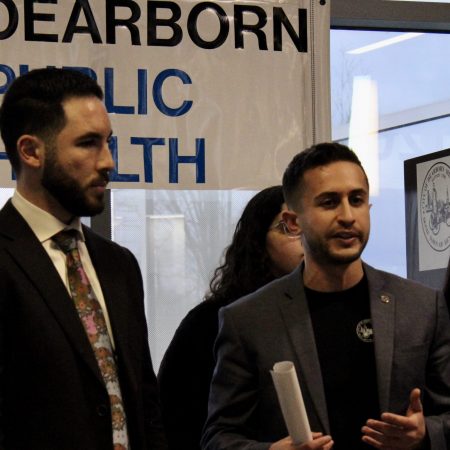
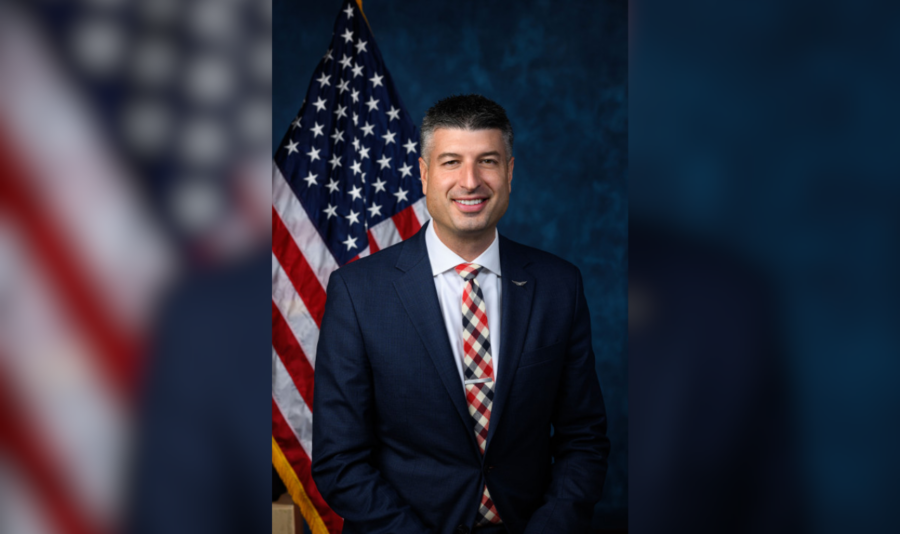
Dearborn’s Department of Public Health has been awarded a $101,000 grant to advance firearm safety. The Michigan Department of Health and Human Services funding supports collaborative efforts to educate gun owners on safe handling and storage.
Dearborn Mayor Abdulllah Hammoud says firearm injury prevention is a public health and safety priority.
The city’s health department will distribute firearm safety kits, including gun locks, lockboxes, and educational materials. Dearborn Chief Public Health Officer Ali Abazeed says the grant supports evidence-based education and access to safety tools.
Additional headlines for Monday, Dec. 22, 2025
Michigan Chief Medical Executive makes Standing Recommendation regarding children’s vaccines
Bagdasarian shared that public health experts are not in agreement with new federal vaccine recommendations, prompting the announcement. One of the recent changes was dropping the Hepatitis B vaccine at birth and removing the COVID-19 vaccine recommendation for healthy children and pregnant women.
Bagdasarian’s Standing Recommendation was made with the Michigan Department of Health and Human Services’ Division of Immunization.
She says the recommendation does not supersede clinical judgment. She also asks health care providers to make vaccines accessible by removing barriers for patients.
Bagdasarian says vaccines keep people safe and potentially save lives.
EGLE renews license for hazardous waste facility
The Michigan Department of Environment, Great Lakes, and Energy (EGLE) has renewed the license for a hazardous waste treatment and storage facility in Detroit for the next 10 years.
Hazardous Waste Management Facility Operating License to EQ Detroit Inc., which does business as US Ecology Detroit South, was issued the license after regulatory review and a public comment process. Several people strongly opposed the facility because it emits strong odors leading to health concerns like asthma. The facility also has a history of clean air violations.
EGLE renewed the license, adding new requirements, such as expanding air and groundwater monitoring. The facility must replace six tanks beginning in January 2026 and install odor control equipment by the end of Dec 2027.
Tunnel in southwest Detroit
The Great Lakes Water Authority has started building a sewage relief system near the Rouge River in Southwest Detroit. Crews will spend at least two years digging a tunnel to carry excess stormwater to an underused retention and treatment center. Chief Operating Officer Navid Mehram says the $87 million project should reduce the risk of flooding and sewage backups during heavy rain.
“So this is an example where we’re making an investment in our existing system by rerouting some flows, so that we can leverage an existing facility that wasn’t receiving all the flow it can treat.”
Mehram says the project will not increase customers’ sewage bills. He says state and federal funding will help pay for the tunnel.
New tech firm in town
Detroit is getting a new high-tech security and AI solution firm, Eccalon. The defense tech company will create 800 new jobs ranging from $25-100 per hour.
The facility will have manufacturing operations, training programs and an innovation center.
The company’s headquarters is moving from Maryland to become a part of the tech innovation in Detroit. Eccalon will be located at the Bedrock-owned Icon building at 200 Walker Street.
Eccalon Chairman and CEO André Gudger says the new headquarters will develop cybersecurity and advanced manufacturing and automation.
The company hopes to open early next year.
Listen to the latest episode of the “Detroit Evening Report” on Apple Podcasts, Spotify, NPR.org or wherever you get your podcasts.
Support local journalism.
WDET strives to cover what’s happening in your community. As a public media institution, we maintain our ability to explore the music and culture of our region through independent support from readers like you. If you value WDET as your source of news, music and conversation, please make a gift today.
Opposition to a proposed data center in Saline Township continues as state regulators prepare to take public comment on environmental permits tied to the project.
The Michigan Department of Environment, Great Lakes, and Energy will hold a virtual public hearing Thursday to gather input on whether to issue permits to developer Related Digital. The permits cover impacts to wetlands, streams, and nearby waterways.
Tim Bruneau, a member of Stop Saline Data Center who lives near the proposed site, raised concerns about the project’s closed-loop cooling system. He says repeated circulation concentrates contaminants such as glycol, rust inhibitors, and nitrates, which would eventually be discharged into the Saline River.
The project includes filling and excavating wetlands, installing culverts in unnamed streams, and constructing multiple stormwater outfalls that would discharge treated runoff into the Saline River, Bridgewater Drain, and other waterways. One of the outfalls would be located within the Saline River’s 100-year floodplain.
The virtual public hearing begins at 6 p.m. Information on how to attend is available at michigan.gov/egle.
Trusted, accurate, up-to-date.
WDET strives to make our journalism accessible to everyone. As a public media institution, we maintain our journalistic integrity through independent support from readers like you. If you value WDET as your source of news, music and conversation, please make a gift today.
A recent study by the American Association of Retired Persons (AARP) found that 46% of adults aged 45 to 59 reported feeling lonely in 2025, compared to 35% of adults aged 60 and up.
Heather Nawrocki is Vice President of Fun and Fulfillment at AARP.
She says there are risk factors for lonely people.
“It’s important to keep an eye out for people around you that you know are spending a lot of time alone. They are going to be at a higher risk than someone who’s not. Mental and physical health challenges are also a big one,” she says.
Nawrocki says people who have physical health challenges may have difficulty getting out of the house to meet people in real life.
She says people who live in lower-income and rural areas also have higher risks for loneliness.
Get on the phone?
People can feel lonelier during the holiday season.
Nawrocki says the study found adults 45 and older are engaging with fewer people in social settings.
She says, however, that those who use technology usually have positive outcomes.
“What the study shows is 6 in 10 really rely on tech, those who are not lonely. And they actually say they have more friends as a result of technology,” she says, although it depends on each person’s individual experience.
Nawrocki says social health is just as important as mental and physical health to create the happiest, healthiest, longest life possible.
AARP offers 14,000 events online and in person nationwide for people to connect at aarp.org/connect.
Gender disparity
She says men have higher rates of loneliness compared to women.
“They’re just not getting out of the house as much. They don’t have as many close friends and they’re not joining community organizations, clubs or pursuing interests with others the same way as perhaps they did before,” she says.
The social interactions one can make doing volunteering, for example, are a great way to combat feelings of isolation.
Nawrocki says it’s important to check on friends and loved ones to rekindle relationships for social health, which also impacts health, happiness, and longevity.
Trusted, accurate, up-to-date.
WDET strives to make our journalism accessible to everyone. As a public media institution, we maintain our journalistic integrity through independent support from readers like you. If you value WDET as your source of news, music and conversation, please make a gift today.
Nebraska will become the first state to implement new work requirements for some people with Medicaid health insurance under a law President Donald Trump signed last year.
Gov. Jim Pillen, a Republican, announced Wednesday that the requirement would take effect in the state May 1 and could impact about 30,000 people who have slightly higher incomes than traditional Medicaid beneficiaries.
“We’re not here to take everybody to the curb,” he said. Instead, he said, the aim is “making sure we get every able-bodied Nebraskan to be part of our community.”
The sweeping tax and policy law Trump signed in July requires states to make sure many recipients are working by 2027 but gave them the option to do it sooner.
FILE – Centers for Medicare & Medicaid Services administrator Dr. Mehmet Oz listens as President Donald Trump speaks in the Oval Office of the White House, Oct. 16, 2025, in Washington. (AP Photo/Alex Brandon, File)
Beneficiaries will have more reporting duties
The law mandates that people ages 19 to 64 who have Medicaid coverage work or perform community service at least 80 hours a month or be enrolled in school at least half-time to receive and keep coverage.
It applies only to people who receive Medicaid coverage through an expansion that covers a population with a slightly higher income limit. Forty states and the District of Columbia have opted to expand the coverage income guidelines under former President Barrack Obama’s 2010 health insurance overhaul.
Of 346,000 Nebraska residents enrolled in Medicaid as of May, about 72,000 were in the higher income expansion group.
Some people will be exempted, including disabled veterans, pregnant women, parents and guardians of dependent children under 14 or disabled individuals, people who were recently released from incarceration, those who are homeless and people getting addiction treatment. States can also offer short-term hardships for others if they choose.
All Medicaid beneficiaries who are eligible because of the expansion will be required to submit paperwork at least every six months showing they meet the mandate.
Those who don’t would lose their coverage.
The reporting requirement is twice as frequent as it is for most people covered by Medicaid now. That change means more work for the state agencies — and for some of them, extensive and likely expensive computer program updates.
Pillen said he does not expect the state government to increase staffing to make the changes.
When and how to implement the change is likely to be on the agenda for governors and state lawmakers across the country as legislative sessions start — most of them in January.
The policy is expected to lead to lost coverage
The nonpartisan Congressional Budget Office estimates that the requirement will reduce Medicaid costs by $326 billion over a decade — and that it will result in 4.5 million people becoming uninsured each year starting in 2027. Currently, about 77 million Americans are covered by Medicaid.
Because most people covered by Medicaid who are able to work already do, it’s not expected to increase employment rates.
Mehmet Oz, the administrator of the Centers of Medicare and Medicaid Services, joined Pillen’s announcement via a video feed and said the administration believes there are jobs available across the country, and the challenge is connecting people with them.
“Most people who are able-bodied on Medicaid actually want to get a job,” Oz said.
Arkansas tried another variation of Medicaid work requirements — later blocked by a judge — that saw 18,000 people kicked off coverage in the first seven months after it took effect in 2018.
FILE – Nebraska Gov. Jim Pillen greets state senators before giving a speech on June 2, 2025, in Lincoln, Neb. (Justin Wan/Lincoln Journal Star via AP, File)
A child has been diagnosed with measles in Oakland County. DMC Huron Valley-Sinai Hospital in Commerce Township has been identified as the likely site of exposure.
People who were in the Emergency Department of the hospital on Dec. 7, 2025 between 7:20 p.m. and 11:10 p.m. may have been exposed.
Kate Guzman, Oakland County Health Officer, told The Metro the child was not vaccinated for measles and had recently traveled domestically.
Vaccine recommendations changing at CDC, FDA
This follows a series of major changes to federal vaccine recommendations and guidelines, made under the leadership of Robert F. Kennedy Jr., Secretary of Health and Human Services.
Kennedy is a vaccine skeptic and his views are becoming policy at the Centers for Disease Control (CDC) and the Food and Drug Administration (FDA) both of which are under his supervision.
At the FDA, Vinay Prasad, the chief medical officer and head of evaluation and testing, issued a statement forecasting a more time and cost-intensive process for new vaccine approvals. Members of the medical community including former FDA officials, have shared concerns for public health, saying the proposed changes would make thoroughly tested and safe annual vaccines like the flu shot too expensive and time consuming to adapt to new versions of the virus.
Guests:
Dr. Teena Chopra is a professor of infectious diseases and Assistant Dean of professional development in the School of Medicine at Wayne State University .
Kate Guzman is Oakland County’s health officer.
Listen to The Metro weekdays from 10 a.m. to noon ET on 101.9 FM and streaming on demand.
WDET strives to make our journalism accessible to everyone. As a public media institution, we maintain our journalistic integrity through independent support from readers like you. If you value WDET as your source of news, music and conversation, please make a gift today.
On a scale of 1 to 10, NOAA rated this year’s bloom between 2 and 3, which is mild. Compare that with 2011’s very severe bloom, which peaked between 9 and 10.
NOAA researcher Rick Stumpf says each bloom is different. He and his colleagues use several factors to rate each one.
“The mildness is a reflection of how much bloom there is,” he says. “The amount of biomass, the quantity, and how severe it is over the peak 30 days.”
Weather is a big factor
The amount of rainfall in the spring also affects the bloom’s development. Algae feed on phosphorus, a common chemical in farm fertilizer. When farmers apply it to their fields, rain will wash some of it into streams and creeks. That water then flows into the lake through the Maumee River in Ohio.
Algae can grow close to shoreline areas as in this photo of Lake Erie from 2017
Stumpf says lower-than-average rainfall in 2025 meant less phosphorus for algae to consume, and thus a milder bloom. He also says this year’s growth started later than usual.
“The last few years, the bloom’s been pretty well-developed in July,” Stumpf says. “This year, it wasn’t until well into August when you had the greatest quantity of bloom.”
Stumpf says one way farmers can limit the amount of phosphorus in the lake is to test their fields for it early.
“If you’ve got enough phosphorus in the field, you may not have to fertilize for a couple of years, and that can make a big difference.”
Navigating the shutdown
Stumpf says the federal government shutdown in October did affect some of NOAA’s observations. But he says by then, researchers had enough data to rate the bloom accurately.
“We do a lot with satellite data, and that data has continued throughout this year’s bloom,” he says.
That data will also help NOAA figure out what other factors affect harmful algal blooms and how they’ve changed over the last 25 years.
The size of each bloom doesn’t necessarily reflect how toxic it is. For example, the 2014 bloom was rated moderate to severe (5 out of 10). But it produced enough toxin to contaminate Toledo’s municipal water system that year.
In general, Stumpf says algal blooms can harm people and animals who are exposed to them. He says the best way to prevent that is to avoid areas of green scum on the surface of the lake.
Trusted, accurate, up-to-date.
WDET strives to make our journalism accessible to everyone. As a public media institution, we maintain our journalistic integrity through independent support from readers like you. If you value WDET as your source of news, music and conversation, please make a gift today.
LOS ANGELES (AP) — With eyes closed and a small mallet in hand, the Rev. Kyohei Mikawa gently struck the bronze Himalayan singing bowl resting in his palm and bathed the Buddhist sanctuary in a resonant hum.
Mikawa spent the next 45 minutes skimming bowls, playing a tongue drum and chanting to create an immersive experience called a sound bath as he sat facing a dozen people relaxing or meditating on yoga mats.
Sometimes known as sound healing or sound meditation, sound baths have surged in popularity over the past decade, driven by growing public interest in mental health and wellness. But sound baths are no longer confined to yoga centers, crystal healing studios or other new age spaces. They have crossed over to mainstream worship spaces, including churches, temples and synagogues.
Faith leaders like Mikawa, who oversees Rissho Kosei Kai Buddhist Center in Los Angeles’ largely Latino neighborhood of Boyle Heights, are increasingly embracing sound baths. They see it as a way to reach out to their neighbors who may not be affiliated with a religion, but still want to be in community with others seeking spiritual experiences. They have also found ways to make this practice mesh with their respective faith traditions.
People partake in a sound bath at Temple Emanuel, Saturday, Dec. 6, 2025, in Beverly Hills, Calif. (AP Photo/Allison Dinner)
A person partakes in a sound bath at Temple Emanuel, Saturday, Dec. 6, 2025, in Beverly Hills, Calif. (AP Photo/Allison Dinner)
Renee Noa Harris leads a sound bath at Temple Emanuel, Saturday, Dec. 6, 2025, in Beverly Hills, Calif. (AP Photo/Allison Dinner)
Renee Noa Harris leads a sound bath at Temple Emanuel, Saturday, Dec. 6, 2025, in Beverly Hills, Calif. (AP Photo/Allison Dinner)
Rabbi Jonathan Aaron plays guitar while Cantor Lizzie Weiss helps during the Havdalah candle ceremony at the conclusion of a sound bath at Temple Emanuel, Saturday, Dec. 6, 2025, in Beverly Hills, Calif. (AP Photo/Allison Dinner)
1 of 5
People partake in a sound bath at Temple Emanuel, Saturday, Dec. 6, 2025, in Beverly Hills, Calif. (AP Photo/Allison Dinner)
The sounds that punctuated Mikawa’s session emanated from centuries of Buddhist tradition and practice, energizing and calming the mind at once, he said. A chant at the end of the sound bath, he said, means: “Seek refuge in the true spirit of who you are.”
“The goal is not to become a Buddhist, but a Buddha — the best version of who we are,” he said.
Rabbi Jonathan Aaron, who leads Temple Emanuel in Beverly Hills, a Reform synagogue, performs a sound bath the first Saturday of each month at the end of the Shabbat service, during a ceremony called the Havdalah. As part of this ritual, blessings are offered over wine, sweet spices and a multi-wicked candle while participants reflect on the difference between the sacred and the ordinary.
Aaron says a rejuvenating sound bath fits perfectly with the sensory nature of the Havdalah, preparing attendees for the week ahead. The rabbi works with a practitioner who uses crystal bowls, gongs, rain sticks and an ocean drum, which mimics the sound of waves, to create a relaxing, meditative atmosphere.
He believes that while a sound bath might not be inherently Jewish, it lends itself well to Jewish heritage, thought and prayer. Aaron points out that the first chapter of Genesis describes God creating the world through sound by speaking the words: “Let there be light.” Hearing, listening, and sacred sounds, including the call of the shofar that heralds the Jewish new year, are all important aspects of the faith, he said.
“I’m not trying to make the sound bath Jewish,” he said. “But I’m trying to bring Jewish energy and an experience by creating this environment that has a sound bath as part of it.”
Anna Reyner, a member who attended the sound bath, said the synagogue is a perfect space for it because it builds community — often a main purpose of a house of worship.
“When you are in this intricate sound wave experience with others, you feel a sense of community and a connection to the source of holiness,” she said.
Connecting with neighbors through sound baths
The Rev. Paul Capetz, pastor of Christ Church by the Sea, a United Methodist congregation in Newport Beach, California, said their monthly sound bath sessions, performed by a local practitioner, are drawing people “who would never otherwise darken the door of a church.”
“I find the sound bath brings you to another level of existence,” Capetz said. “It’s almost hypnotic, but it’s not a drug. You’re experiencing it in real time that leaves you with a feeling of such serenity.”
The goal of having practices like sound bath and meditation in the church is not to convert, but to relate to others in the community who may be spiritual but not religious, the pastor said.
Churches are naturally conducive to sound baths because of their sense of history, sanctity, reverence and, often, pristine acoustics, said Lynda Arnold, a longtime sound healer who has performed at Episcopal churches in Los Angeles.
“We talk about wanting to bring people into a state of deep listening, contemplation, prayer and intention,” she said. “In this church environment, there is an endless amount of creativity that can happen with sound and music.”
While sound baths are a more recent phenomenon, the power of sound has been harnessed for healing and spirituality for millennia. Alexandre Tannous, a New York-based sound researcher and sound therapist who has done these sessions around the U.S. and abroad, said many religions and cultures believe in the primordial nature of sound.
In Eastern religions, “aum” is believed to be the primordial sound or vibration from which the entire universe was created and is sustained. In Egyptian mythology and the Hermetic tradition, the universe is believed to have been created through the power of the spoken word, also known as Logos. The concept of the universe being “sung” into existence or created by sound is a common motif found in several ancient and Indigenous traditions and mythologies.
“In Western science, how do we believe the universe started?” Tannous said. “With a Big Bang, right?”
The instruments used in a sound bath — such as gongs, singing bowls, bells, chimes, didgeridoos — all provide vibrations and grounding harmony that help a person quiet the mind and become focused, he said.
“Those notes between the notes have the power to quiet the multitasking monkey mind,” said Tannous, referring to the unadulterated harmonics produced by these instruments.
The science of sound
Ramesh Balasubramaniam, professor of cognitive science at the University of California, Merced, has looked into how the brain resonates with and responds to sounds — particularly in some frequencies that could induce a deep, meditative state. A sound bath, he says, is one of the routes to get there.
“When you hear a sound wave that oscillates four times a second, you’re going to facilitate brain waves in the same frequency range by a process known as entrainment,” Balasubramaniam said. “We have 100 billion neurons and they all sing in concert in the same frequency, producing this collective effect like a crowd chanting in a football game.”
Jazmin Morales, who lives near the Rissho Kosei Kai Buddhist Center, has been attending Mikawa’s weekly sound baths for several weeks. She doesn’t know the science behind it. She just knows it works for her.
“I’ve always had trouble focusing when I meditate,” she said. “But a sound bath helps me focus. It’s helped me sleep when I was unable to sleep. It’s helped me let go of emotion. It’s even sparked my creativity.”
For Ridge Gonzalez, who practices yoga and meditation, it was her first time in a sound bath.
“It was amazing,” she said. “I could visualize the sound as if it were being sprinkled. I could see and feel it. When you’re meditating, you feel a sense of clarity. The sound bath feels like just another way of extending that practice.”
Associated Press religion coverage receives support through the AP’s collaboration with The Conversation US, with funding from Lilly Endowment Inc. The AP is solely responsible for this content.
Rabbi Jonathan Aaron plays guitar while Cantor Lizzie Weiss helps during the Havdalah candle ceremony at the conclusion of a sound bath at Temple Emanuel, Saturday, Dec. 6, 2025, in Beverly Hills, Calif. (AP Photo/Allison Dinner)
By Stephanie Armour, Amanda Seitz, KFF Health News
Maddy Olcott plans to start a career once she graduates from college. But the junior at the State University of New York-Purchase College is so far not planning to start a family — even with the Trump administration dangling inducements like thousand-dollar “baby bonuses” or cheaper infertility drugs.
“Our country wants us to be birthing machines, but they’re cutting what resources there already are,” said Olcott, 20. “And a $1,000 baby bonus? It’s low-key like, what, bro? That wouldn’t even cover my month’s rent.”
The Trump administration wants Americans to have more babies, and the federal government is debuting policy initiatives to reverse the falling U.S. fertility rate. In mid-October, the White House unveiled a plan to increase access to in vitro fertilization treatment. President Donald Trump has heralded such initiatives, calling himself “the fertilization president.”
But reproductive rights groups and other advocacy organizations say these efforts to buttress the birth rate don’t make up for broader administration priorities aimed at cutting federal programs such as Medicaid, its related Children’s Health Insurance Program, and other initiatives that support women and children. The pro-family focus, they say, isn’t just about boosting procreation. Instead, they say, it’s being weaponized to push a conservative agenda that threatens women’s health, reproductive rights, and labor force participation.
Some predict these efforts could deter parenthood and lead to increases in maternal mortality.
“The religious right wants more white Christian babies and is trying to curtail women’s reproductive freedom in order to achieve that aim,” said Marian Starkey, a spokesperson for Population Connection, a nonprofit that promotes population stabilization through increased access to birth control and abortion. “The real danger is the constant whittling down of reproductive rights.”
The White House did not respond to repeated interview requests.
A slate of federal programs that have long helped women and children are also being targeted by Trump and Cabinet members who say they champion pronatalist policies.
Medicaid work requirements, for instance, put in place by the Republicans’ One Big Beautiful Bill Act, a budget law enacted in July, will lead to extra paperwork and other requirements that, according to the Congressional Budget Office, will cause millions of eligible enrollees to lose coverage. Medicaid covers more than 4 in 10 births in the U.S.
The measure also cuts federal funding for a national program that provides monthly food benefits. Almost 40% of recipients in fiscal 2023 were children.
GOP spending cuts and staffing freezes have hampered Head Start, a federal education program that provides day care and preschool for young, low-income children, even as U.S. adults implore the government to curtail ballooning child care costs.
And the GOP halted Medicaid funding to Planned Parenthood of America for one year because it provides abortion services, forcing roughly 50 clinics around the country to close since the beginning of 2025. Planned Parenthood provides a wide range of women’s health services, from wellness exams to breast cancer screenings and initial prenatal care.
Groups that advocate for women’s health and reproductive rights say the actions by the administration and congressional Republicans to attack these programs are making it harder for families to get the support and medical care they need.
“There is a lot of rhetoric about who is worthy of public assistance, and to many policymakers, it’s not the single mother,” said Allyson Crays, a public health law and policy analyst at the Milken Institute School of Public Health at George Washington University.
The pronatalist perspective generally supports government intervention to encourage procreation and is rooted in a belief that modern culture has failed to celebrate the nuclear family. The movement’s supporters also say policies to encourage childbearing are an economic necessity.
A Declining Birth Rate
The national birth rate has largely been on a downward trajectory since 2007, with the number of births declining by an average 2% per year from 2015 through 2020, according to the Centers for Disease Control and Prevention, although the rate has fluctuated since.
The concepts that shape the movement can be found in Project 2025, a political initiative led by the conservative Heritage Foundation that has seen many of its proposals adopted by Trump. The document asserts that children fare best in a “heterosexual, intact marriage.”
“Married men and women are the ideal, natural family structure because all children have a right to be raised by the men and women who conceived them,” it says.
Project 2025 also includes many proposals that critics say aren’t friendly toward women’s health. For instance, it calls for eliminating access to mifepristone, a drug commonly used in abortions as well as in the management of miscarriages, and encourages states to block Planned Parenthood facilities from receiving Medicaid funding.
The “more babies” mantra is being embraced at the highest levels of the federal government.
“I can’t remember any other administration being so tied to the pronatalist movement,” said Brian Dixon, Population Connection’s senior vice president for government and political affairs.
Just days after he was sworn in, Vice President JD Vance declared, “I want more babies in the United States of America.” He has also criticized the decision-making of women and men who opt not to start families.
The White House in October did announce a discount on certain drugs used in IVF treatments through TrumpRx, a yet-to-debut government website that aims to connect consumers with lower-priced drugs. Mehmet Oz, who heads Medicare and Medicaid, heralded a possible future of “Trump babies,” resulting from the lower-priced infertility drugs.
The administration also announced it would encourage employers to move to a new model for offering fertility benefits as a stand-alone option in which employees can enroll. But that is far from Trump’s earlier pledge to make infertility treatments free and may not be enough to overcome other long-term financial worries that often guide decisions about whether to have children.
Angel Albring, a mother of six, says her dream of having a big family always hinged on her ability to work and avoid child care costs. Her career as a freelance writer enabled her to do so while still contributing to the family’s income, working during nap times and at night, while the rest of her household slept.
“The whole thing of ‘sleep when the baby sleeps’ never applied to me,” Albring said.
Some of her friends, though, aren’t so fortunate. They fear they cannot afford children because of climbing costs for day care, groceries, and housing, she said.
Delivering on ‘Baby Bonuses’?
The Trump administration, meanwhile, has advanced another policy aimed at giving children a future financial boost.
The One Big Beautiful Bill Act establishes a tax-advantaged “Trump account” seeded with $1,000 in federal funds — often called a “baby bonus” — on behalf of every eligible American child. The initial deposits are scheduled to start in 2026 with the federal government automatically opening an account for children born after Dec. 31, 2024, and before Jan. 1, 2029.
Parents could contribute up to $5,000 a year initially to the account, with employers able to annually contribute up to $2,500 of that amount. The accounts reportedly would be vehicles for long-term savings. Details are still being ironed out, but funds could not be withdrawn before the child turns 18. After that, the accounts would likely become traditional IRAs.
On Tuesday, billionaires Michael and Susan Dell of Dell computer fame said they would give $250 to 25 million children age 10 and under in the U.S. The donations will be aimed at encouraging participation in the Trump accounts.
Pronatalism extends to other parts of the federal government, too.
Transportation Secretary Sean Duffy, who has nine children, instructed his department to prioritize federal funds for communities with high marriage and birth rates, though it has not yet announced any projects directly related to the initiative. For a time, the administration considered bestowing national medals on mothers with six or more children.
Except there’s one hitch: Data suggests the policies and programs the Trump administration has proposed won’t necessarily work.
Other countries have offered more robust programs to encourage childbearing and ease parenting but haven’t seen their birth rates go up, noted Michael Geruso, an economist for the University of Texas-Austin who hopes to see the global population increase. Israel, for example, has offered free IVF treatment for roughly three decades, yet its birth rates have stayed statistically stagnant, at just under three children for every woman, he said.
France and Sweden have extensive social safety-net programs to support families, including paid time off and paid paternity and maternity leave, and subsidized child care and health care, but their fertility rates are also falling, said Peggy O’Donnell Heffington, a University of Chicago assistant senior instructional professor in the history department who wrote a book on non-motherhood.
“Nobody yet knows how to avoid depopulation,” Geruso said.
Some point to a different solution to reverse the United States’ declining population: boost immigration to ensure a younger labor force and stronger tax base. The Trump administration, however, is doing the opposite — revoking visas and creating an environment in which immigrants who are in the U.S. legally feel increasingly uncomfortable because of heavy-handed policies, analysts say.
The country’s immigrant population this year fell for the first time since the 1960s, according to a Pew Research Center analysis.
Meanwhile, to critics of the administration, the focus on encouraging childbirth allows the Trump administration and Republicans to sound as if they support families.
“You’re not seeing policies that support families with children,” said Amy Matsui, vice president of income security and child care at the National Women’s Law Center, a nonprofit focused on gender rights. “It’s a white, heterosexual, fundamentalist Christian, two-parent marriage that’s being held up.”
Elementary school teacher Luciana Lira cares for one-month-old Neysel on May 1, 2020, in Stamford, Connecticut. (John Moore/Getty Images North America/TNS)
“Enough is enough. We cannot allow a public official to weaponize misinformation while cutting the very research that saves lives. It’s time today to impeach RFK Jr.,” says Stevens.
She initially stated her intention to file articles of impeachment against the Make America Healthy Again Secretary in September.
Like many other Democrats, Stevens says Kennedy’s attempts to delegitimize vaccinations and promotion of pseudo-science makes him unqualified for the job.
Kennedy Jr. has taken heat from epidemiologists for turning anti-vaccination misinformation into policy, disregarding decades of research that points to the effectiveness of vaccines. Public health officials also condemn his promotion of conspiracy theories around autism.
Rep. Stevens says he has violated his oath, citing how how cuts implemented and supported by Kennedy Jr. have made insurance less accessible and hurt research institutions, like those at Michigan universities. “I’ve heard from Republican doctors in Michigan who’ve been calling me to thank me for standing up for science,” says Stevens.
Kennedy Jr. oversaw the firing of thousands of public health experts from the Centers for Disease Control and the National Institutes of Health.
Stevens’ impeachment attempt likely won’t go far in the Republican-controlled U.S. House. It’s unclear whether the move is backed by Democratic leadership.
When asked if House Minority Leader Hakeem Jeffries backed the impeachment bid, Stevens said she’d let Jeffries speak for himself.
Trusted, accurate, up-to-date.
WDET strives to make our journalism accessible to everyone. As a public media institution, we maintain our journalistic integrity through independent support from readers like you. If you value WDET as your source of news, music and conversation, please make a gift today.
What should teachers focus on when exploring sexual health with students? How should they broach sensitive subjects? What does it mean to have healthy relationships with others, and to monitor our own emotional wellbeing?
These are some of the questions that the Michigan State Board of Education tackled last month. That’s because the board changed its standards guidelines for the first time since 2007. Those changes include explaining and exploring things like gender identity, gender expression, healthy romantic relationships, and understanding one’s own emotions in the classroom.
Co-Vice President for the State Board of Education Tiffany Tilley joined The Metro to discuss what the changes might mean for schools and students across the state.
Listen to The Metro weekdays from 10 a.m. to noon ET on 101.9 FM and streaming on demand.
WDET strives to cover what’s happening in your community. As a public media institution, we maintain our ability to explore the music and culture of our region through independent support from readers like you. If you value WDET as your source of news, music and conversation, please make a gift today.
So far, the agency says about 20% of those eligible to receive the vaccine have been immunized.
New strain appears in the UK
Dr. Natasha Bagdasarian is the state’s chief medical executive. She says a new variant of H3N2 influenza is causing severe cases of flu in England.
Dr. Natasha Bagdasarian
“What’s happening in Europe and England is sometimes a harbinger of what’s to come in places like Michigan,” she says. “And what we’ve been seeing [there] is an early flu season and a more severe flu season.”
Early studies have shown that this season’s flu vaccine offers some protection against the new variant.
“In England, they’ve seen that in folks under 18, the vaccine is about 75% protective in terms of keeping them out of the emergency department and the hospital,” Bagdasarian says. “It’s about 40% effective in those over 18.”
While the vaccine does not prevent all cases, Bagdasarian says it does reduce one’s chances of getting really sick.
“What we’re trying to do here is not stop all cases of the flu, but we want to keep people out of the hospital, the ICU, and stop them from dying,” she says.
Vaccinations have been declining since COVID
As for the low vaccination rate this season, Bagdasarian says it’s a trend. Fewer people have been getting annual flu shots since the start of the COVID-19 pandemic in 2020. She worries that an outbreak of severe flu might overwhelm Michigan’s hospitals.
“When our health systems are full of people with influenza, that means there’s less care to go around,” she says. “None of us want to see a health system that’s overwhelmed with flu cases.”
Bagdasarian says fewer children are receiving routine vaccinations for other diseases such as measles and polio. She fears that recent developments at the Centers for Disease Control and Prevention could make that worse.
“There were not enough scientists,” she says. “There were not enough health professionals, pediatricians, physicians.”
Instead, Bagdasarian notes that some of the presenters had non-medical backgrounds and don’t understand health care. She says that jeopardizes America’s health policies.
“The recommendations they voted on are liable to cause increased confusion and hesitancy and maybe put obstacles in people’s place when they’re trying to get vaccines,” she says.
Bagdasarian’s specialty is infectious disease. She says she’s treated patients with end stage liver disease, measles, and other preventable illnesses. She does not want the U.S. to go back to the time when these things were common.
“Many of these vaccines are things that we took when we were kids,” she says. “To deprive our own children of these life-saving benefits is sad.”
Trusted, accurate, up-to-date.
WDET strives to make our journalism accessible to everyone. As a public media institution, we maintain our journalistic integrity through independent support from readers like you. If you value WDET as your source of news, music and conversation, please make a gift today.
The United States is poised to lose its measles-free status next year. If that happens, the country will enter an era in which outbreaks are common again.
More children would be hospitalized because of this preventable disease. Some would lose their hearing. Some would die. Measles is also expensive. A new study— not yet published in a scientific journal — estimates that the public health response to outbreaks with only a couple of cases costs about $244,000. When a patient requires hospital care, costs average $58,600 per case. The study’s estimates suggest that an outbreak the size of the one in West Texas earlier this year, with 762 cases and 99 hospitalizations, costs about $12.6 million.
America’s status hinges on whether the country’s main outbreaks this year stemmed from the big one in West Texas that officially began Jan. 20. If these outbreaks are linked, and go on through Jan. 20 of next year, the U.S. will no longer be among nations that have banished the disease.
“A lot of people worked very hard for a very long time to achieve elimination — years of figuring out how to make vaccines available, get good vaccine coverage, and have a rapid response to outbreaks to limit their spread,” said Paul Rota, a microbiologist who recently retired from a nearly 40-year career at the Centers for Disease Control and Prevention.
Instead of acting fast to prevent a measles comeback, Robert F. Kennedy Jr., a lawyer who founded an anti-vaccine organization before taking the helm at the Department of Health and Human Services, has undermined the ability of public health officials to prevent and contain outbreaks by eroding trust in vaccines. The measles vaccine is safe and effective: Only 4% of more than 1,800 confirmed U.S. cases of measles this year have been in people who had received two doses.
Kennedy has fired experts on the vaccine advisory committee to the CDC and has said, without evidence, that vaccines may cause autism, brain swelling, and death. On Nov. 19, scientific information on a CDC webpage about vaccines and autism was replaced with false claims. Kennedy told The New York Times that he ordered the change.
“Do we want to go back into a prevaccine era where 500 kids die of measles each year?” asked Demetre Daskalakis, a former director of the CDC’s national immunization center, who resigned in protest of Kennedy’s actions in August. He and other scientists said the Trump administration appears to be occupied more with downplaying the resurgence of measles than with curbing the disease.
HHS spokesperson Andrew Nixon said in a statement that vaccination remains the most effective tool for preventing measles and that the “CDC and state and local health agencies continue to work together to assess transmission patterns and ensure an effective public health response.”
Looking for Links
CDC scientists are indeed tracking measles, alongside researchers at health departments and universities. To learn whether outbreaks are linked, they’re looking at the genomes of measles viruses, which contain all their genetic information. Genomic analyses could help reveal the origin of outbreaks and their true size, and alert officials to undetected spread.
Scientists have conducted genomic analyses of HIV, the flu, and COVID for years, but it’s new for measles because the virus hasn’t been much of a problem in the U.S. for decades, said Samuel Scarpino, a public health specialist at Northeastern University in Boston. “It’s important to get a surveillance network into place so that we could scale up rapidly if and when we need it,” he said.
“We are working with the CDC and other states to determine whether what we’re seeing is one large outbreak with continued spread from state to state,” said Kelly Oakeson, a genomics researcher at the Utah Department of Health and Human Services.
At first glance, the ongoing outbreak in Utah and Arizona, with 258 cases as of Dec. 1, seems linked to the one in Texas because they’re caused by the same strain of measles, D8-9171. But this strain is also spreading throughout Canada and Mexico, which means the outbreaks could have been sparked separately from people infected abroad. If that happened, this technicality could spare the U.S. from losing its status, Rota said. Being measles-free means the virus isn’t circulating in a country continuously year-round.
A sign outside of a hospital in Rapid City, South Dakota, asks people with measles symptoms to wait outside, because infections are extremely contagious. (Arielle Zionts/KFF Health News/TNS)
Canada lost its measles-elimination status in November because authorities couldn’t prove that various outbreaks from the D8-9171 strain were unrelated, said Daniel Salas, executive manager of the comprehensive immunization program at the Pan American Health Organization. The group, which works with the World Health Organization, includes health officials from countries in North, South, and Central America, and the Caribbean. It makes a call on measles elimination based on reports from scientists in the countries it represents.
Early next year, PAHO will hear from U.S. scientists. If their analyses suggest that measles has spread continuously for a year within the U.S., the organization’s director may revoke the country’s status as measles-free.
“We expect countries to be transparent about the information they have,” Salas said. “We will ask questions, like, ‘How did you determine your findings, and did you consider other angles?’”
In anticipation of PAHO’s assessment, Oakeson and other researchers are studying how closely the D8-9171 strains in Utah match others. Instead of looking at only a short snippet of genes that mark the strain, they’re analyzing the entire genome of the measles virus, about 16,000 genetic letters long. Genetic mutations occur naturally over time, and the accumulation of small changes can act like a clock, revealing how much time has ticked by between outbreaks. “This tells us the evolutionary history of samples,” Oakeson said.
For example, if one child directly infects another, the kids will have matching measles viruses. But measles viruses infecting people at the start of a large outbreak would be slightly different than those infecting people months later.
Although the Texas and Utah outbreaks are caused by the same strain, Oakeson said, “more fine-grained details are leading us to believe they aren’t super closely related.” To learn just how different they are from each other, scientists are comparing them with measles virus genomes from other states and countries.
Ideally scientists could pair genetic studies with shoe-leather investigations into how each outbreak started. However, many investigations have come up dry because the first people infected haven’t sought care or contacted health departments. As in West Texas, the outbreak in Utah and Arizona is concentrated in close-knit, undervaccinated communities that are leery of government authorities and mainstream medicine.
Researchers are also trying to learn how many measles cases have gone undetected. “Confirmed cases require testing, and in some communities, there’s a cost to going to the hospital to get tested: a tank of gas, finding a babysitter, missing work,” Andrew Pavia, an infectious disease doctor at the University of Utah, said. “If your kid has a measles rash but isn’t very sick, why would you bother?”
Subtle Surveillance
Pavia is part of a nationwide outbreak surveillance network led by the CDC. A straightforward way to figure out how large an outbreak is would be through surveys, but that’s complicated when communities don’t trust public health workers.
“In a collaborative setting, we could administer questionnaires asking if anyone in a household had a rash and other measles symptoms,” Pavia said, “but the same issues that make it difficult to get people to quarantine and vaccinate make this hard.”
Instead, Pavia and other researchers are analyzing genomes. A lot of variation suggests an outbreak spread for weeks or months before it was detected, infecting many more people than known.
A less intrusive mode of surveillance is through wastewater. This year, the CDC and state health departments have launched efforts to test sewage from households and buildings for measles viruses that infected people shed. A study in Texas found that this could function as an early warning system, alerting public health authorities to an outbreak before people show up in hospitals.
The quiet research of CDC scientists stands in stark contrast to its dearth of public-facing actions. The CDC hasn’t held a single press briefing on measles since President Donald Trump took office, and its last publication on measles in the agency’s Morbidity and Mortality Weekly Report was in April.
A Feb. 5, 2025, email from Texas health official Scott Milton, obtained through a Freedom of Information Act request by KFF Health News. Milton wanted to reach measles experts at the Centers for Disease Control and Prevention who could answer urgent questions, but the CDC responded sluggishly during the Trump administration’ s layoffs and a freeze on… (KFF Health News/KFF Health News/TNS)
Daskalakis said that as the outbreak in Texas worsened, his CDC team was met by silence when they asked to brief Kennedy and other HHS officials.
“Objectively they weren’t helping with the Texas outbreak, so if we lose elimination, maybe they’ll say, ‘Who cares,’” Daskalakis said.
Nixon, the HHS spokesperson, said Kennedy responded strongly to the Texas outbreak by directing the CDC to help provide measles vaccines and medications to communities, expediting measles testing, and advising doctors and health officials. The U.S. retains its elimination status because there’s no evidence of continuous transmission for 12 months, he added.
“Preliminary genomic analysis suggests the Utah and Arizona cases are not directly linked to Texas,” the CDC’s acting director, Deputy HHS Secretary Jim O’Neill, wrote on the social platform X.
Given Kennedy’s distortions of data on vitamin A, Tylenol, and autism, Daskalakis said the Trump administration may insist that outbreaks aren’t linked or that PAHO is wrong.
“It will be quite a stain on the Kennedy regime if he is the health secretary in the year we lose elimination status,” he said. “I think they will do everything they can to cast doubt on the scientific findings, even if it means throwing scientists under the bus.”

 Login
Login