Reading view

There are new articles available, click to refresh the page.

The Metro: A new superintendent, a long list of expectations for Michigan schools

Michigan’s schools are increasingly tasked with more than teaching.

They are expected to raise reading and math scores, address rising mental health needs, manage technology and discipline, and serve as safe, stable places for families under stress. In some communities, they’re also absorbing fear sparked by immigration enforcement actions. That includes the detention of Detroit students seeking asylum.

Academically, the picture is mixed. On national exams, Michigan’s scores remain close to the U.S. average. But since the pandemic, other states have improved more quickly, especially in early reading. Michigan has moved more slowly, and over time, that difference adds up.

Meanwhile, chronic absenteeism is improving, but many students, especially in Detroit, still miss school regularly.

The state has increased funding and continued free school meals. Educators say those steps help. They also say long-standing challenges persist in special education, staffing, and student support.

This is the landscape facing Michigan’s new top education official.

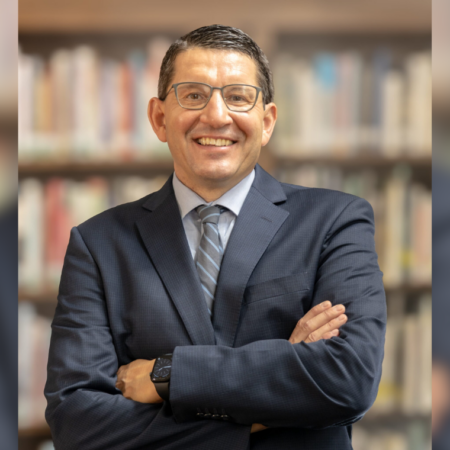
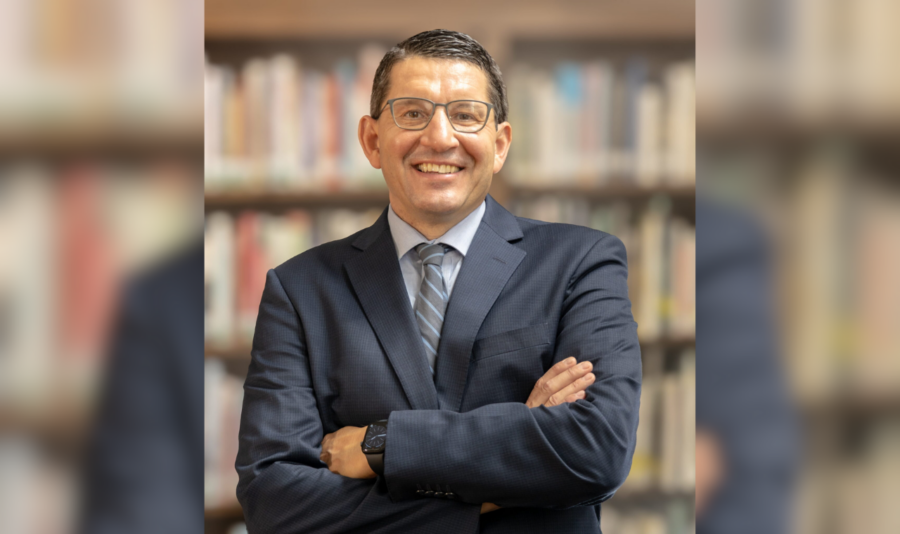
Dr. Glenn Maleyko was sworn in last month as State Superintendent of Public Instruction. He steps into the new role after nearly a decade leading Dearborn Public Schools. He has identified literacy as his priority and launched a statewide listening tour.

The Metro’s Robyn Vincent sat down with Maleyko to learn how he plans to lead a system being asked to do more than it was designed to handle.


Listen to The Metro weekdays from 10 a.m. to noon ET on 101.9 FM and streaming on demand.

Subscribe to The Metro on Apple Podcasts, Spotify, NPR.org or wherever you get your podcasts.

Trusted, accurate, up-to-date.

WDET strives to make our journalism accessible to everyone. As a public media institution, we maintain our journalistic integrity through independent support from readers like you. If you value WDET as your source of news, music and conversation, please make a gift today.

Donate today »

More stories from The Metro

The post The Metro: A new superintendent, a long list of expectations for Michigan schools appeared first on WDET 101.9 FM.

The Metro: They came to America as toddlers, decades later one is detained by ICE

Immigration enforcement in the United States has escalated sharply this year. Under the Biden administration, the daily number of people detained by Immigration and Customs Enforcement (ICE) peaked at just under 40,000. In President Trump’s second term, that number has surged to more than 65,000.

A striking majority of those detainees — nearly three-quarters — have no criminal convictions.

Michigan has felt this shift acutely. Longtime residents with work authorization, U.S.-citizen children, and active immigration cases are increasingly being detained. One of them is Ernesto Cuevas Enciso.

Who Ernesto is

Ernesto came to the United States from Mexico in 1995. He was three years old. His baby sister, Miriam, was one. They grew up in Detroit one grade apart, sharing classrooms, milestones, and daily life.

As an adult, Ernesto became a DACA recipient. That protection was later revoked when prior, nonviolent misdemeanors surfaced during a renewal screening—a common outcome even for minor offenses from many years earlier.

Today, Ernesto has legal work authorization through a different process and is pursuing a marriage-based green card application. He is a construction worker, a husband, and a father to a one-year-old daughter.

Arrest in Ypsilanti

Last week, Ernesto and another construction worker were near a job site in Ypsilanti when an unmarked vehicle approached. ICE detained both men.

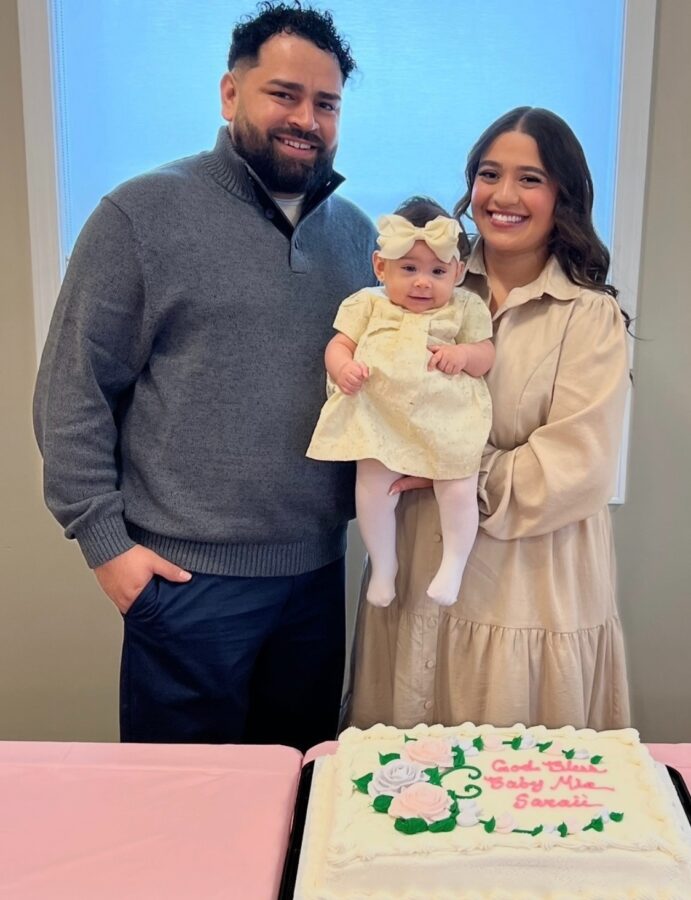
Ernesto Cuevas Enciso with his wife Andrea and one-year-old daughter.

Ernesto is now being held more than three hours from home at the North Lake Processing Center in Baldwin — currently the largest immigration detention facility in the Midwest.

Operated by the private prison company GEO Group, North Lake has been the subject of repeated concerns from families, attorneys, and civil-rights groups, who describe cold temperatures, limited access to medical care, and difficulty contacting legal counsel. ICE has disputed these claims, saying the facility meets federal standards.

Ernesto is awaiting an immigration hearing on December 17.

Family and lawmakers call for his release

Ernesto’s family and several Michigan lawmakers are urging ICE to release him on bond. They describe him as not a safety risk, a man who has been following the legal process, supporting his family, and working toward lawful permanent residency.

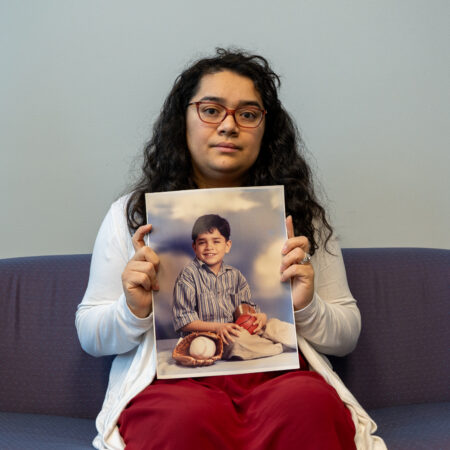
His sister, Miriam Stone, spoke with The Metro’s Robyn Vincent about the impact of this detention on their family and why they believe Ernesto should come home while his case proceeds.

What comes next

To understand the legal and policy context behind Ernesto’s case and why so many longtime Michigan residents are being detained this year, The Metro also spoke with Christine Suave of the Michigan Immigrant Rights Center, who explains the legal landscape and what options remain for someone in Ernesto’s position, and State Sen. Stephanie Chang, who discusses what Michigan lawmakers can and cannot do in response to federal immigration enforcement decisions.

ICE response

The Metro contacted Detroit’s office of Immigration and Customs Enforcement. We asked why they detained Ernesto, given his legal work authorization and his pending marriage-based green card, and if ICE considers a person with two nonviolent misdemeanors, which occurred over a decade ago, to fall within its priority categories of enforcement.

The agency has not yet responded.

Listen to The Metro weekdays from 10 a.m. to noon ET on 101.9 FM and streaming on demand.

Subscribe to The Metro on Apple Podcasts, Spotify, NPR.org or wherever you get your podcasts.

Trusted, accurate, up-to-date.

WDET strives to make our journalism accessible to everyone. As a public media institution, we maintain our journalistic integrity through independent support from readers like you. If you value WDET as your source of news, music and conversation, please make a gift today.

Donate today »

More stories from The Metro
The post The Metro: They came to America as toddlers, decades later one is detained by ICE appeared first on WDET 101.9 FM.

The Metro: Detroit kids have paid the cost. Could this proposal pay it back?

For years, Detroit students have borne the weight of decisions made far from their classrooms.

They’ve studied in buildings neglected through decades of disinvestment, crossed dangerous neighborhoods reshaped by school closures, and grown up in a district that spent years under state control. This trauma came from policy decisions that left Detroit students with less than their peers across Michigan.

Now, a new ballot initiative, Invest in MI Kids, argues it can help repair that history. The campaign proposes a 5% surtax on only the very highest incomes, with the money flowing into Michigan’s public schools. 

That surtax would apply to income above $500,000 for single filers and above $1 million for joint filers. All revenue would be deposited into the Michigan School Aid Fund, where it would be legally restricted to classroom and student supports. The money could go toward things like smaller class sizes, educator pay, mental health staff, and career and technical education.

Funds would then be distributed through the state’s existing school-funding formula, meaning every public district would receive additional dollars. Higher-need districts, such as Detroit, would see greater impact if the state administers funds equitably.

Imani Foster with 482 Forward is organizing families and young people around this campaign. She joined Robyn Vincent to discuss what Detroit kids and students across Michigan stand to gain.


Listen to The Metro weekdays from 10 a.m. to noon ET on 101.9 FM and streaming on demand.

Subscribe to The Metro on Apple Podcasts, Spotify, NPR.org or wherever you get your podcasts.

Support local journalism.

WDET strives to cover what’s happening in your community. As a public media institution, we maintain our ability to explore the music and culture of our region through independent support from readers like you. If you value WDET as your source of news, music and conversation, please make a gift today.

More stories from The Metro

The post The Metro: Detroit kids have paid the cost. Could this proposal pay it back? appeared first on WDET 101.9 FM.

The Metro: What started in Detroit is now a statewide fight to treat water as a human right

Michiganders have lived with water insecurity for years. Detroit’s mass shutoffs in the mid-2010s put the issue in the national spotlight, but the struggle didn’t stay in Detroit. Residents in small cities and rural towns have faced rising rates, aging systems, and growing household debt, too.

This year, lawmakers are taking another run at a statewide fix.

A new bipartisan set of bills would create a state fund for low-income water assistance, cap bills for many struggling households, and set firm rules around when water can be shut off. The plan nearly passed last session in the Michigan legislature, but collapsed in the final days. Now it’s back with updated language, a broader coalition, and a place on the Michigan Senate floor.

Democratic State Senator Stephanie Chang has spent years drafting and refining statewide affordability legislation and Sylvia Orduño, a longtime organizer with the People’s Water Board Coalition, has worked on water access and human rights advocacy for more than 25 years.

They joined Robyn Vincent on The Metro to discuss why this moment matters, and what Michigan could gain or lose in the months ahead.

Listen to The Metro weekdays from 10 a.m. to noon ET on 101.9 FM and streaming on demand.

Subscribe to The Metro on Apple Podcasts, Spotify, NPR.org or wherever you get your podcasts.

Trusted, accurate, up-to-date.

WDET strives to make our journalism accessible to everyone. As a public media institution, we maintain our journalistic integrity through independent support from readers like you. If you value WDET as your source of news, music and conversation, please make a gift today.

Donate today »

More stories from The Metro

The post The Metro: What started in Detroit is now a statewide fight to treat water as a human right appeared first on WDET 101.9 FM.

The Metro: What it will take to prevent another wrongful conviction in Wayne County

Eric Anderson spent nearly nine years behind bars for a robbery he did not commit. His conviction hinged on a single witness who insisted he was the perpetrator — a claim Wayne County officials now acknowledge was unreliable.

A new, multi-agency report — produced by prosecutors, public defenders, Detroit police, judges, and justice-system advocates — dissects how that failure unfolded and why safeguards didn’t catch it sooner.

Mistakes by public institutions aren’t rare. What matters is whether those institutions examine the causes with honesty and act to prevent them from recurring. This report tries to do exactly that. So what lessons emerged? And what would it actually take to ensure no one in Wayne County is wrongfully convicted again?

Valerie Newman, Deputy Chief and Director of the Wayne County Prosecutor’s Office Conviction Integrity Unit, dug into those questions — and the deeper structural issues they reveal.

Listen to The Metro weekdays from 10 a.m. to noon ET on 101.9 FM and streaming on demand.

Subscribe to The Metro on Apple Podcasts, Spotify, NPR.org or wherever you get your podcasts.

Trusted, accurate, up-to-date.

WDET strives to make our journalism accessible to everyone. As a public media institution, we maintain our journalistic integrity through independent support from readers like you. If you value WDET as your source of news, music and conversation, please make a gift today.

Donate today »

More stories from The Metro

The post The Metro: What it will take to prevent another wrongful conviction in Wayne County appeared first on WDET 101.9 FM.
The Metro: She looked at the waste stream and saw a lifeline

The recent pause in SNAP benefits has pushed hunger back into the headlines. Families who were already stretching every dollar suddenly had to stretch the impossible. At the same time, grocery stores, stadiums, airports, and restaurants were still throwing away food that could have fed them.

Jasmine Crowe-Houston has spent years thinking about that contradiction, and she built her company, Goodr, to close the gap

The idea is simple but radical: hunger is not about having too little food. Instead, it is about wasting too much of it, and failing to get it to the people who need it.

Goodr is her answer. It is a tech-driven system that turns surplus food into meals, waste streams into climate wins, and food access into something dignified. 

What started in her one-bedroom apartment in Atlanta has now grown into a national model that keeps millions of pounds of food out of landfills and puts millions of meals on dinner tables.

Jasmine Crowe-Houston joined Robyn Vincent to discuss how the SNAP pause has magnified the urgency of feeding Americans—and what scaling the system she has built really looks like in American cities.


Listen to The Metro weekdays from 10 a.m. to noon ET on 101.9 FM and streaming on demand.

Subscribe to The Metro on Apple Podcasts, Spotify, NPR.org or wherever you get your podcasts.

Trusted, accurate, up-to-date.

WDET strives to make our journalism accessible to everyone. As a public media institution, we maintain our journalistic integrity through independent support from readers like you. If you value WDET as your source of news, music and conversation, please make a gift today.

Donate today »

More stories from The Metro

The post The Metro: She looked at the waste stream and saw a lifeline appeared first on WDET 101.9 FM.

The Metro: A lifetime of fighting for Detroit’s children, now carved in brick and stone

For more than half a century, Helen “Mother” Moore has been a familiar sight at Detroit school board meetings, whether she is at the microphone, in the hallway rallying parents, or being removed by security after a showdown with the board.

Today, at 89, Mother Moore is still at it. She has helped lead court fights over the state’s management of Detroit’s schools, challenged emergency managers and charter expansion, and pushed for literacy to be recognized as a civil right. 

She also helped launch Let’s Read, a volunteer-driven literacy program created with the Detroit school district. Along the way, Moore has mentored generations of parents to also fight against classrooms with broken heat, missing textbooks, and teacher shortages.

Because, as Mother Moore once put it at a school board meeting: “Education is how we get free.”

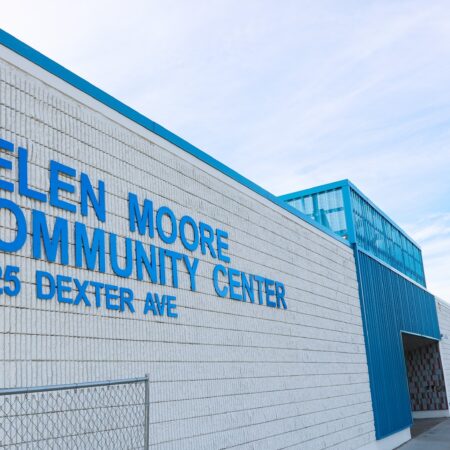
This weekend, the Dexter-Elmhurst Recreation Center reopens in her honor. The newly renovated Helen Moore Community Center sits in the west side neighborhood where she nurtured her organizing. It is a brick-and-mortar monument to a woman who has spent decades insisting that Black children should not have to leave their communities to find opportunity.

Moore joined Robyn Vincent to discuss the moments that shaped her and why she keeps fighting. 

Listen to The Metro weekdays from 10 a.m. to noon ET on 101.9 FM and streaming on demand.

Subscribe to The Metro on Apple Podcasts, Spotify, NPR.org or wherever you get your podcasts.

Support local journalism.

WDET strives to cover what’s happening in your community. As a public media institution, we maintain our ability to explore the music and culture of our region through independent support from readers like you. If you value WDET as your source of news, music and conversation, please make a gift today.

More stories from The Metro

The post The Metro: A lifetime of fighting for Detroit’s children, now carved in brick and stone appeared first on WDET 101.9 FM.

The Metro: Big Tech eyes Michigan, but at what cost for residents?

Michigan is racing toward the data center boom that powers artificial intelligence and cloud computing. Lawmakers have approved generous tax breaks, and utilities are courting multi-billion-dollar projects, including a proposed $7 billion “hyperscale” campus in rural Saline Township, backed by tech giants OpenAI and Oracle. 

Supporters promise investment and new tax revenue. But critics warn that these vast, windowless buildings could come with higher electric bills, heavy demands on local water supplies, and pressure to keep fossil fuel plants running long past Michigan’s clean energy deadlines. 

So who really pays for Michigan’s data-center gold rush, and who gets to decide?

Brian Allnutt, a senior reporter and contributing editor at Planet Detroit, has been following Michigan’s data center deals from the state capitol to township board meetings and courtroom settlements. He joined Robyn Vincent to help make sense of the choices Michigan faces.


Listen to The Metro weekdays from 10 a.m. to noon ET on 101.9 FM and streaming on demand.

Subscribe to The Metro on Apple Podcasts, Spotify, NPR.org or wherever you get your podcasts.

More stories from The Metro

The post The Metro: Big Tech eyes Michigan, but at what cost for residents? appeared first on WDET 101.9 FM.
The Metro: Detroit’s culture, mystery, and memory — now in puzzle form

Walk through Detroit long enough and the city starts talking to you — in murals, in corner bars, in the way old streets bend and break. 

A new puzzle collection tries to put that experience on the page.

On Saturday night, people who love this city enough to puzzle over it will gather at The Congregation in Detroit for the release of the new crossword book Block Party: Detroit Edition.

There are many things in Detroit to be surprised by — a block you thought you knew. A memory stirred by the sound of a bus rolling by. A building with an unexplored hallway.

This new crossword book leans into all of that. Every puzzle carries a bit of the city.

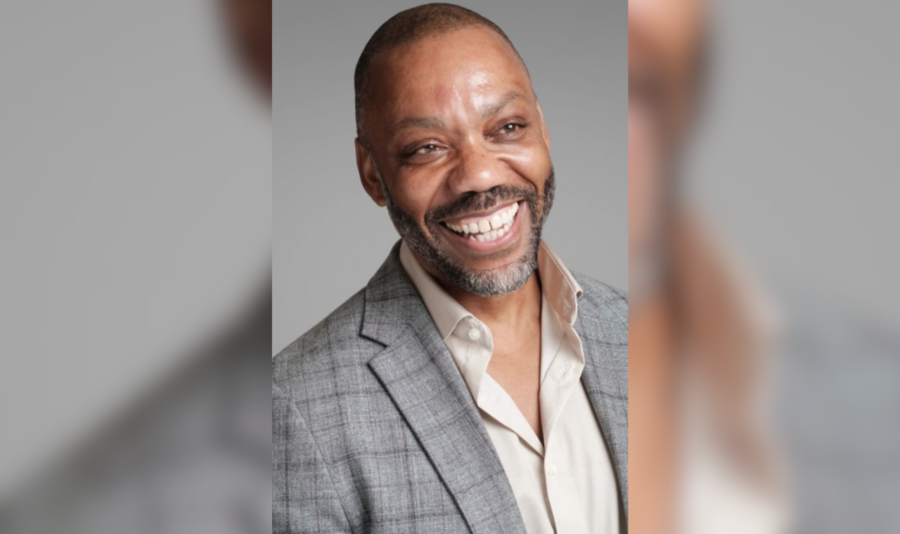
At the center of it all are two friends: Sala Wanetick and Emily Biegas. They write with curiosity, tease with wordplay, and hide little nods to the places they grew up and the corners they still wander. Their clues feel like conversations at a bar you’ve been going to for years.

They joined Cary Junior II on The Metro to discuss how a crossword becomes a portrait of a place, and why Detroit is perfect for this kind of puzzle.

Listen to The Metro weekdays from 10 a.m. to noon ET on 101.9 FM and streaming on demand.

Subscribe to The Metro on Apple Podcasts, Spotify, NPR.org or wherever you get your podcasts.

Support local journalism.

WDET strives to cover what’s happening in your community. As a public media institution, we maintain our ability to explore the music and culture of our region through independent support from readers like you. If you value WDET as your source of news, music and conversation, please make a gift today.

More stories from The Metro

The post The Metro: Detroit’s culture, mystery, and memory — now in puzzle form appeared first on WDET 101.9 FM.

❌