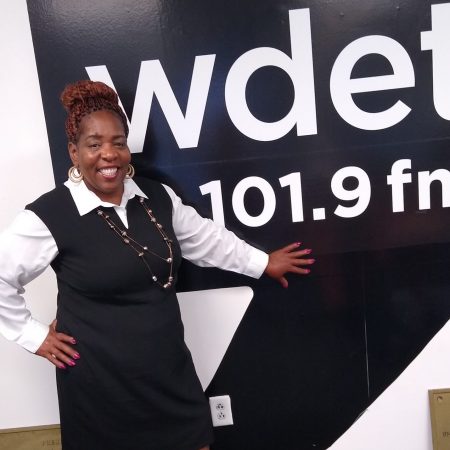
It’s the home stretch for Detroit City Council candidates with election day only about a month away.
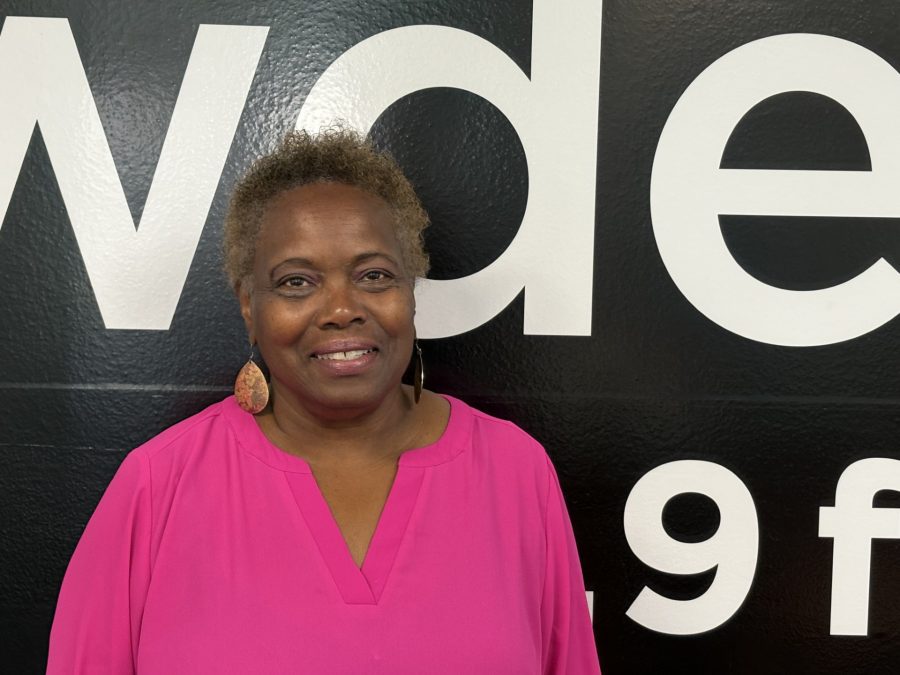
On the city’s northeast side incumbent Scott Benson faces a challenge from a life-long resident of Council District 3, Cranstana Anderson.
She’s a former UAW local official and administrator who works from home preparing taxes.
Anderson says she wants to change how city government operates on the eastside.
The following interview has been edited for length and clarity.
Cranstana Anderson: For instance, the rainfall sewage fee. They call it a fee but it’s actually a tax. If people want to build around their homes and they put more cement down, there is nowhere to absorb the rainwater. So your drainage fees are higher. A lot of churches experienced it because they made parking lots or created more sidewalks. Anything that is not grass or trees to absorb, that rainfall becomes an additional charge.
Quinn Klinefelter, WDET News: If you were elected to council, how would you address those kind of problems?
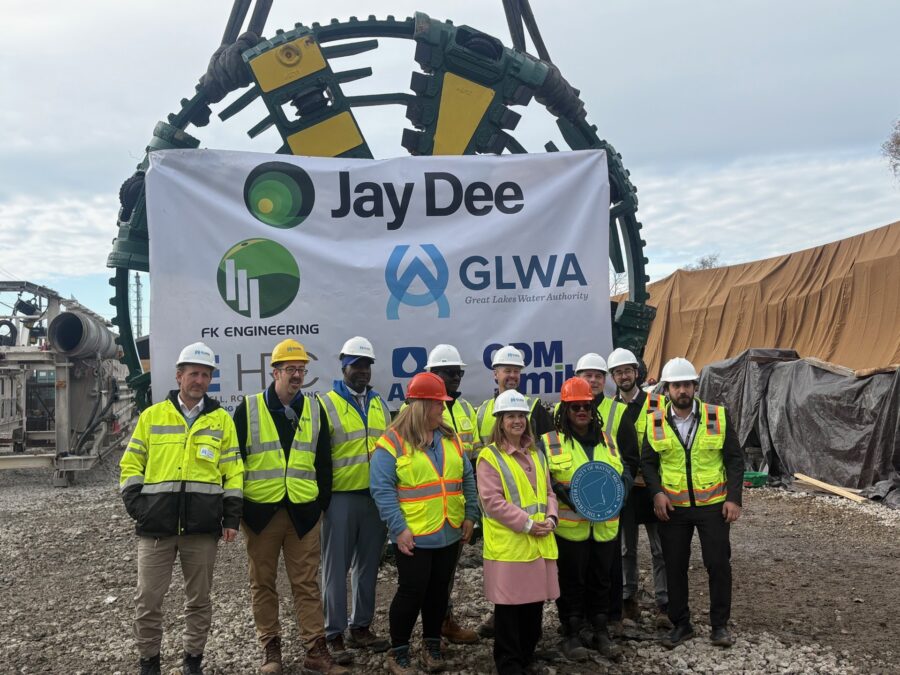
CA: I would first have to see how we get out of something that we got into. I really believe Detroit not having control over the water has led to these types of actions by leadership. The water bill used to be less than what it is every month now, even every three months. So, it seems like that’s a long-term consequence of them giving control of it to the Great Lakes Water Authority.
QK: There’s been a lot of talk about a “financial cliff” that Detroit could be facing because federal funding and some other money is running out. Some of the mayoral candidates have talked about increasing revenue by perhaps raising certain taxes on things like events downtown. Do you think that that’s a way to go?
CA: I do believe that we’ve given out enough tax abatements and incentives for those businesses downtown to be a contributor into paying a higher tax, if that’s what’s going to help the neighborhoods. Because originally, that’s what downtown was getting built up for. It was to change the dynamics of the way downtown looked, to change the dynamics of economic growth in Detroit and build-up downtown. But it was also supposed to contribute to building up the residential communities, making sure those who have retired, bought their home, worked their 30 years, are not left out. And that’s what we want to focus on, not leaving those who have already paved the way for us to stabilize the community be forced out by business or investors. I believe in gentrification versus nullification. So if it’s nothing, then gentrification sounds pretty good when it’s nothing.
QK: I still hear lots of concerns about crime, not just on the northeast side, but throughout the city. If you were on council, how would you try and help address that?
CA: I would try to create some different policies about how we retain our public safety officers. I believe when they were given the option to live outside of Detroit, that’s when we had more crime created. The crime rate is just at a flat line right now. I don’t see the quality of policing in Detroit, in my area and in many other areas, the way it used to be. When I grew up, relying on police was the route to go to keep the community safe. But now, to engage with them, to build a certain amount of trust with them, and have none of our officers that want to live in Detroit, that says a lot about their policing.
There’s a lot that needs to be done. But I want to make sure we look right.
QK: You’ve mentioned that you’d like to see more political accountability. Do you think that’s lacking at the moment with some of the Detroit officials?
CA: Yes, especially mine, in my district. I think we’ve compromised our office.
QK: You’re talking about Detroit City Council member Scott Benson. There had been some allegations made about bribery charges. But federal authorities said that they had closed that case. And Benson said he and his staff came up completely clean. So, in your view, wouldn’t that kind of clean his slate in terms of that?
CA: No, not with me. Because I’m analytical. I’m from Detroit. And I know everybody who is in prison is not guilty and some of those who are guilty are still walking around.
QK: In any political campaign it is often hard to beat an incumbent. And you’re the challenger in this one. What do you say to people in District 3 if they ask why they should vote for you for council?
CA: Because I understand exactly the hardships that they’re going through. I am a person that’s just like them. And I will fight harder for them. The people who live there, who built there, who are maintaining their property and shopping in that area, doing business in that area, should be entitled to good service. There needs to be some type of resources made available that help these residents qualify for the investors that we want to come into our community.
As far as jobs go, you have the Work First program. But the jobs pay minimum wages, $15-$16 an hour. That’s just not a fair wage. We’re supposed to live off 30% of our income. How do we manage that? Affordable housing is $1,200 and your wages are $1,500. What does that calculate up to? That calculates up to a struggle.
One of the things that hasn’t been invested in is the blighted buildings in my community. A lot of schools shut down. And no one’s talking about doing anything with them except maybe utilizing them as training spots for the police or other public safety departments. These are buildings in the community that used to educate. And we believe, not just myself but a lot of residents, that we can turn these buildings into community hubs where they teach about things like drones, auto mechanics. We don’t want those buildings torn down. We want to utilize those buildings to put back into the education system what they took away. Creative arts. Let the residents, the children, tap into their natural talents or introduce them to the skills that they don’t know they have. Those are places that we can renovate and make into state-of-the art facilities. To make sure that we have the resources not 50 miles from us, not across town, but right here in our own community, where our children can actually walk to school. There’s a lot that needs to be done.
But I want to make sure we look right, so that we don’t invite the wrong type of activity into the community. Get rid of what we do have that’s not a positive influence in our community. Our children are becoming a product of their environment. We say we want to help them, but we have an overpopulation of alcohol stores. We have a population of marijuana dispensaries. It’s legal and a lot of people voted for it because they were tired of people going to jail for marijuana, which is understandable. But it’s something we need to go back to the drawing board about to make sure that it’s regulated properly, that our children don’t have such easy access to it. It’s really hurting us. And in order to build a community up, you have to eliminate the things that take them down.

 Login
Login