 Login
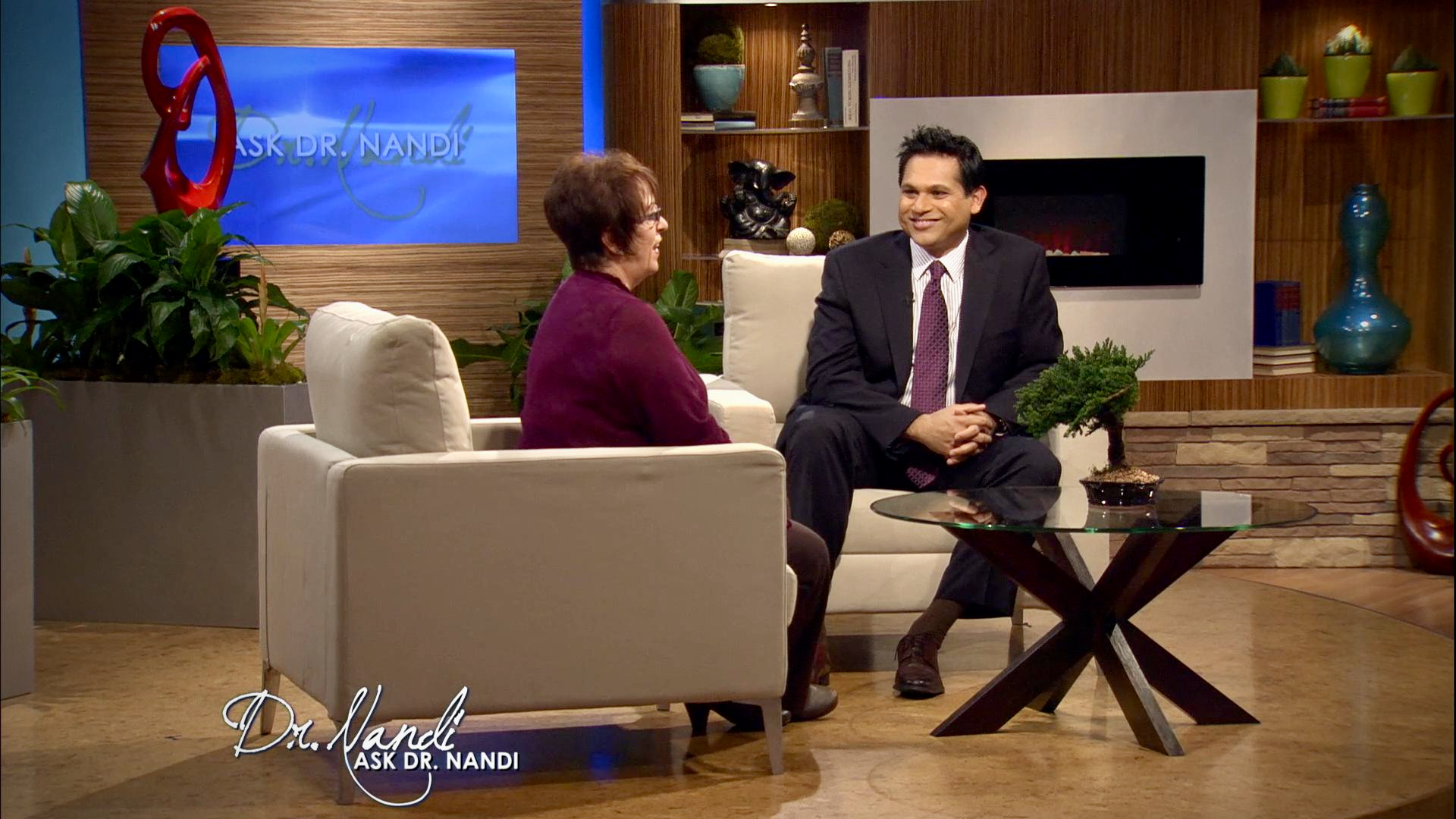
LoginAsk Dr. Nandi: What to know about colorectal cancer and minimizing the risk
March is National Colorectal Cancer Awareness Month. Were taking a closer look at how lifestyle choices like diet and exercise may influence risk.
As a gastroenterologist, colon health is something I focus on every day. One of the concerning trends were seeing is that more adults under age 50 are being diagnosed with colorectal cancer. Now, researchers are still working to understand exactly why, but lifestyle factors are getting a lot of attention.
Studies show that people who follow healthier eating patterns tend to have a lower risk of colorectal cancer. That means eating more fiber-rich foods like fruits, vegetables, beans and whole grains.
On the other hand, diets high in red meat and processed meats like bacon, sausage and hot dogs are linked with a higher risk. Recent research also shows that eating a lot of ultraprocessed, ready-to-eat foods on average, about 10 servings per day may increase the risk of precancerous polyps in the colon.
Ultraprocessed foods are often high in sugar, salt, unhealthy fats and additives. So, theyre very easy to overeat because theyre designed to taste good. That can contribute to weight gain and obesity, which also raises colorectal cancer risk. I often advise my patients to take the time to cook meals at home when possible and focus on nutrient-dense whole foods.
Getting regular physical activity is a key factor. Even moderate exercise like brisk walking most days of the week can support overall health and help reduce risk.
Also, its important to avoid smoking and limit alcohol. Alcohol breaks down into a potent carcinogen that can damage cells.
Unfortunately, early-onset colorectal cancer cases are expected to more than double over the next 10 years. Many of these cancers are still being found at later, more advanced stages, when theyre harder to treat.
As a gastroenterologist, one of the most powerful prevention tools I talk about with patients is screening. Colonoscopies help us detect and remove precancerous polyps before they turn into cancer. Theyre the gold standard, but stool-based tests can also help catch colorectal issues early. Right now, screening is recommended starting at age 45 for people at average risk, and earlier if you have a family history or certain symptoms.
The encouraging news is that everyone can take proactive steps to curb colorectal cancer cases with healthy eating, staying active, maintaining a healthy weight and keeping up with recommended screening.