❌

Reading view

There are new articles available, click to refresh the page.

Potholes wreak havoc on Rochester Road as winter weather continues to damage streets

Potholes are wreaking havoc on metro Detroit roadways, and with winter weather still in the forecast, it's only the beginning of what could be a challenging season for drivers.

Watch Brett Kast's video report: Potholes wreak havoc on Rochester Road as winter weather damages streets

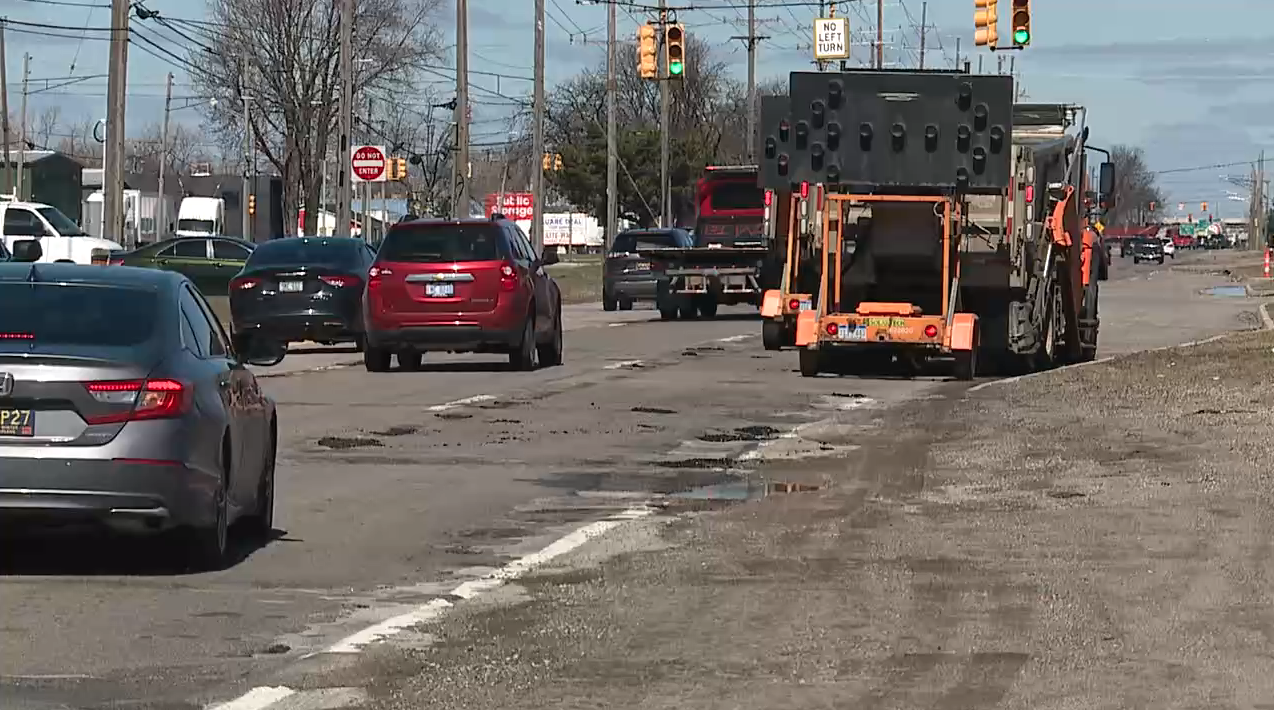
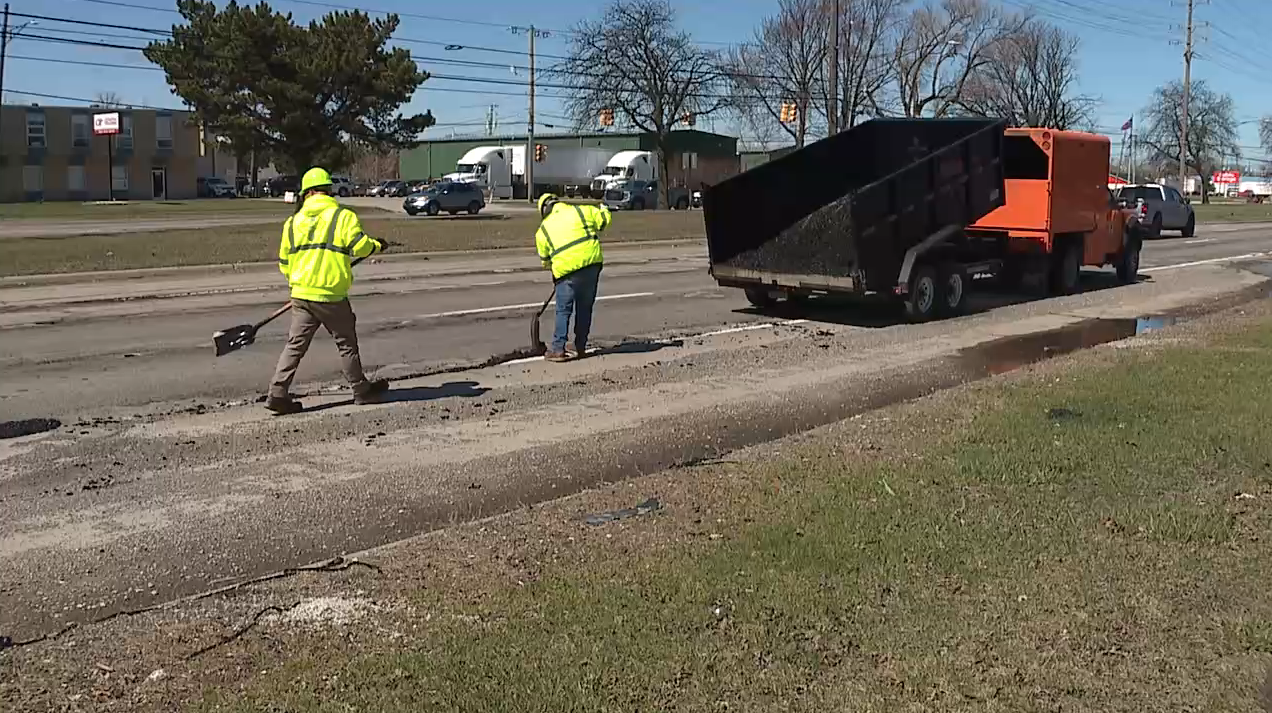
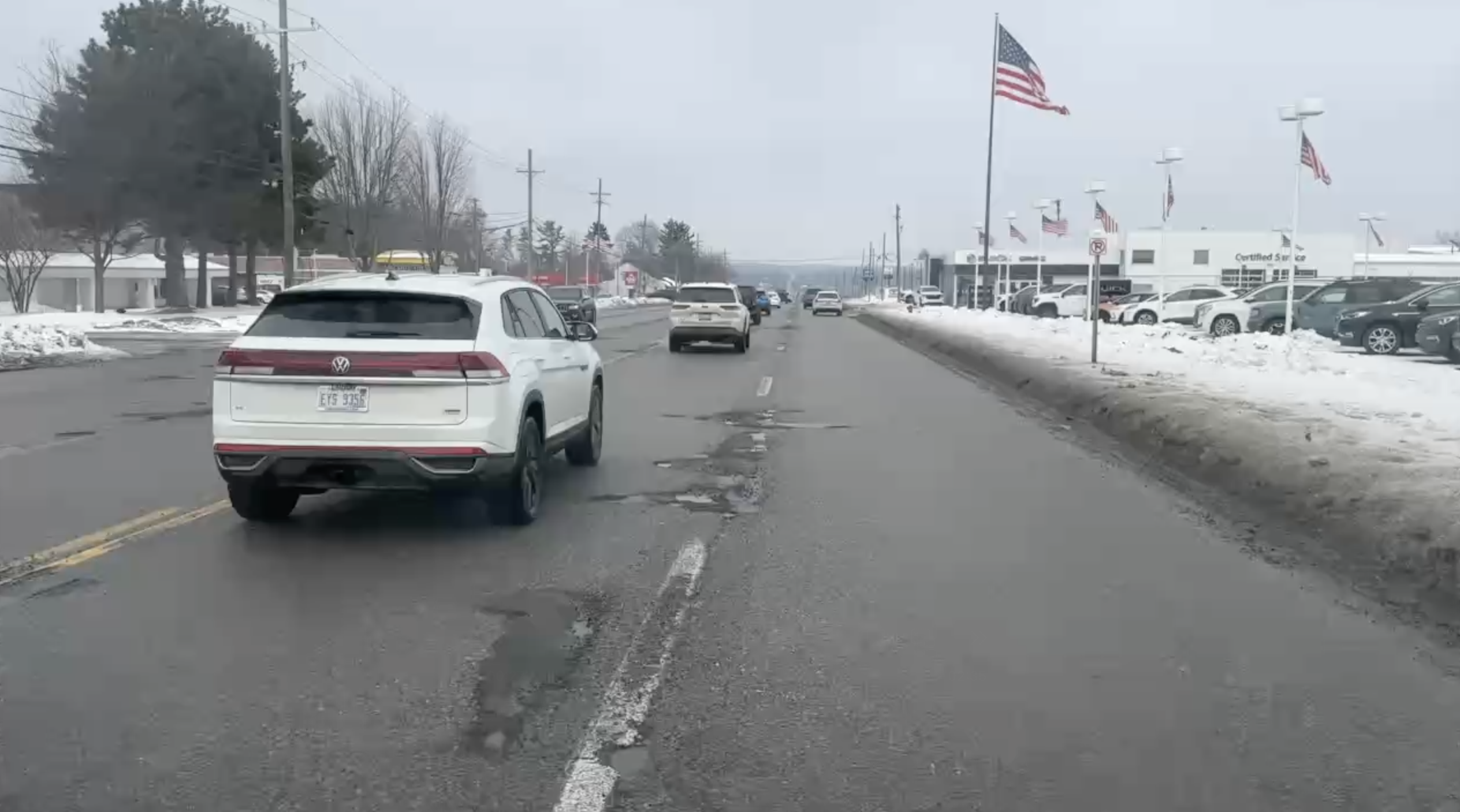
One stretch of road that has drawn particular attention is Rochester Road, especially the mile stretch between downtown Rochester and Avon. Officials say they've been out filling holes in the road multiple times in recent days, but drivers say conditions aren't getting much better.

I traveled to Rochester Hills to see how bad the roads have gotten and what's being done to fix them.

Heading north into downtown Rochester, it is a bumpy ride. Just ask any driver who travels this stretch regularly.

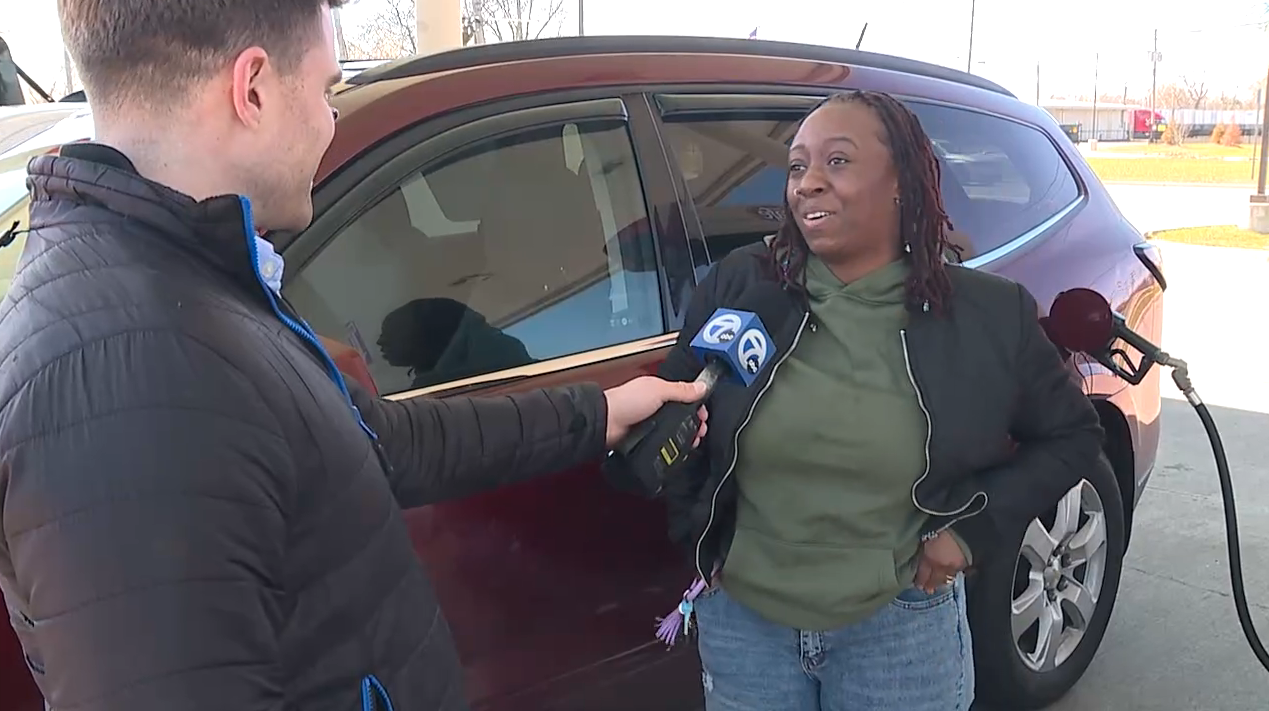
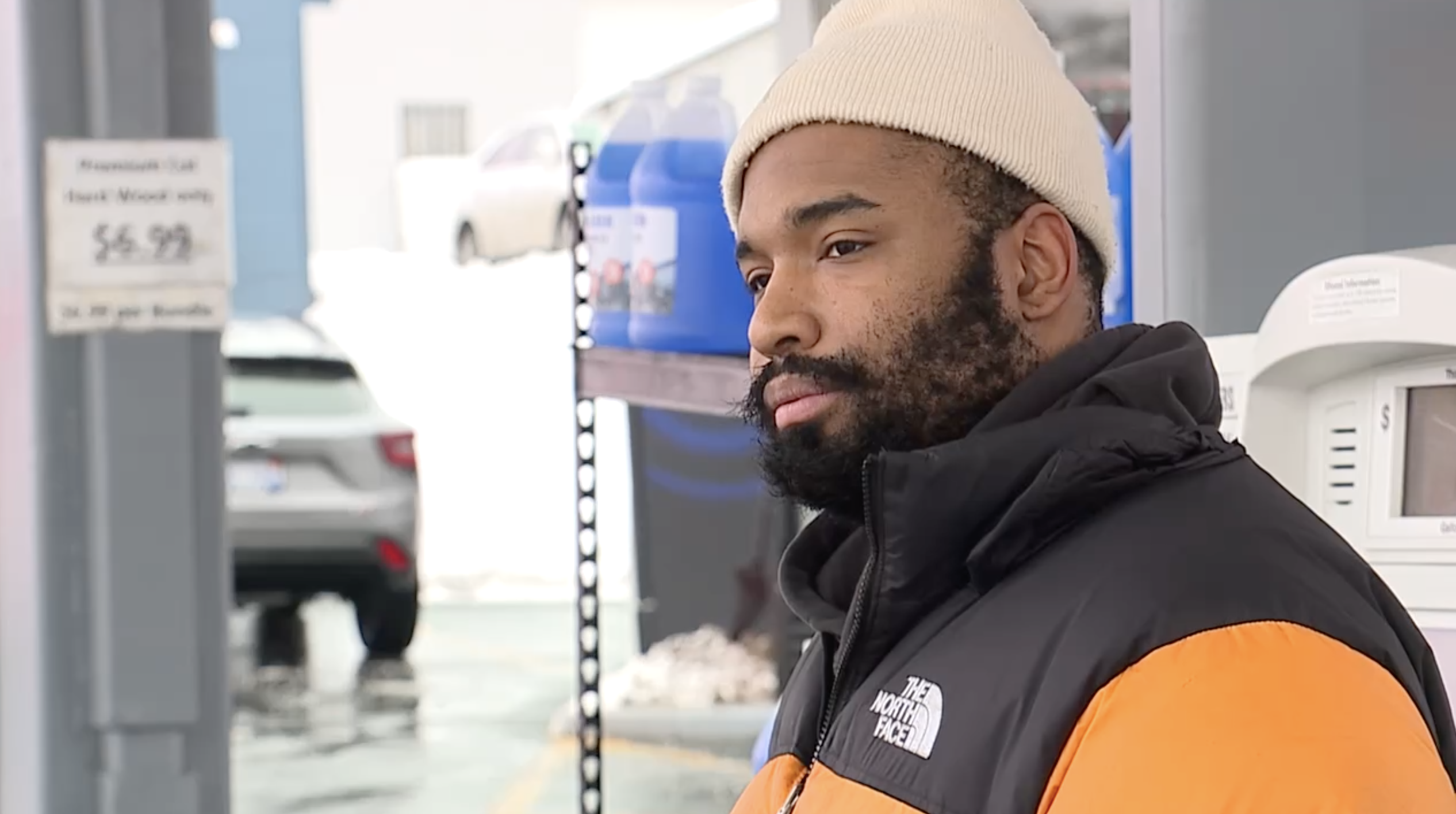
"It's terrible," said Bishop Jenkins, a driver who uses the road on a daily basis. When you get up to Tim Horton's right there, it's bad real bad.

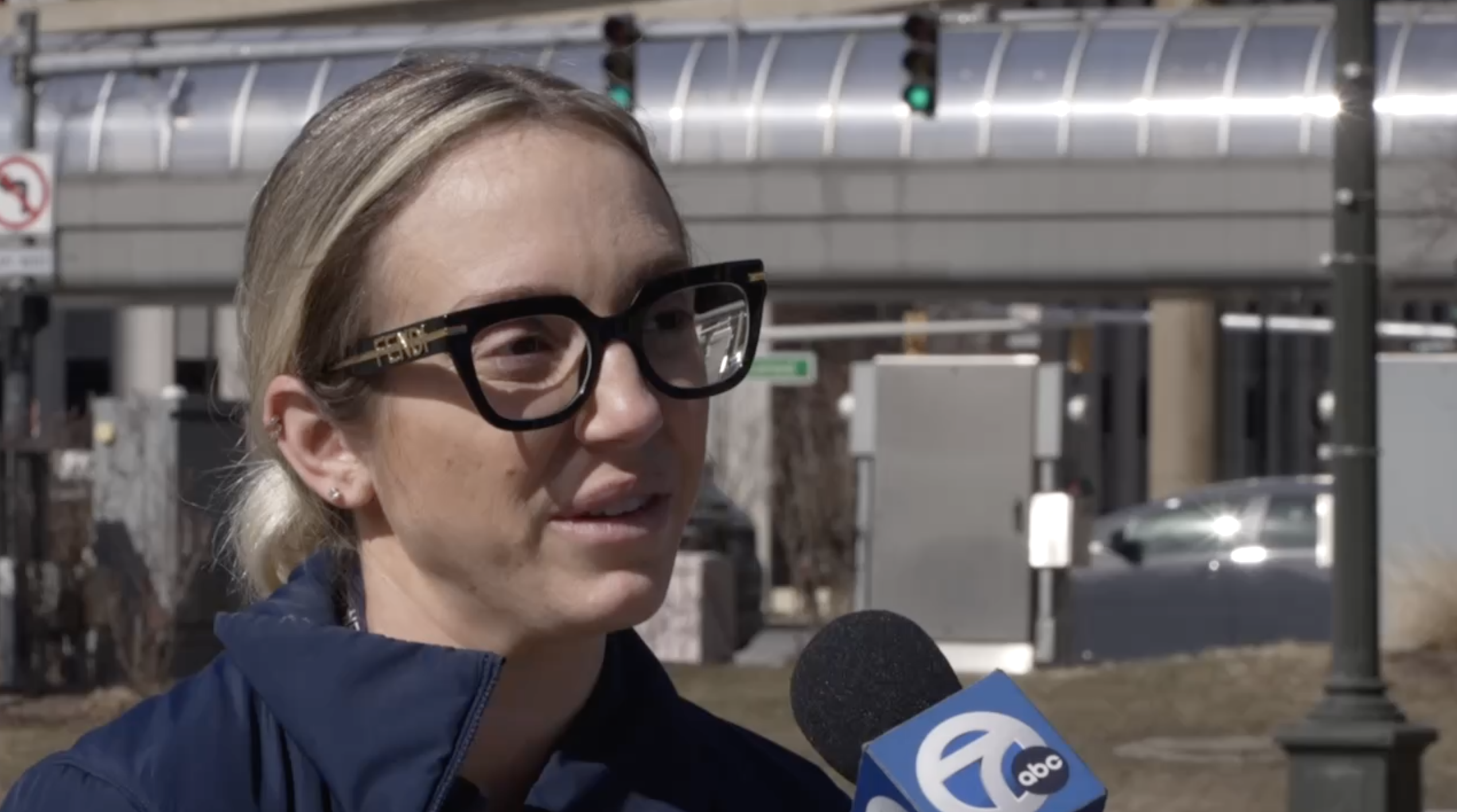
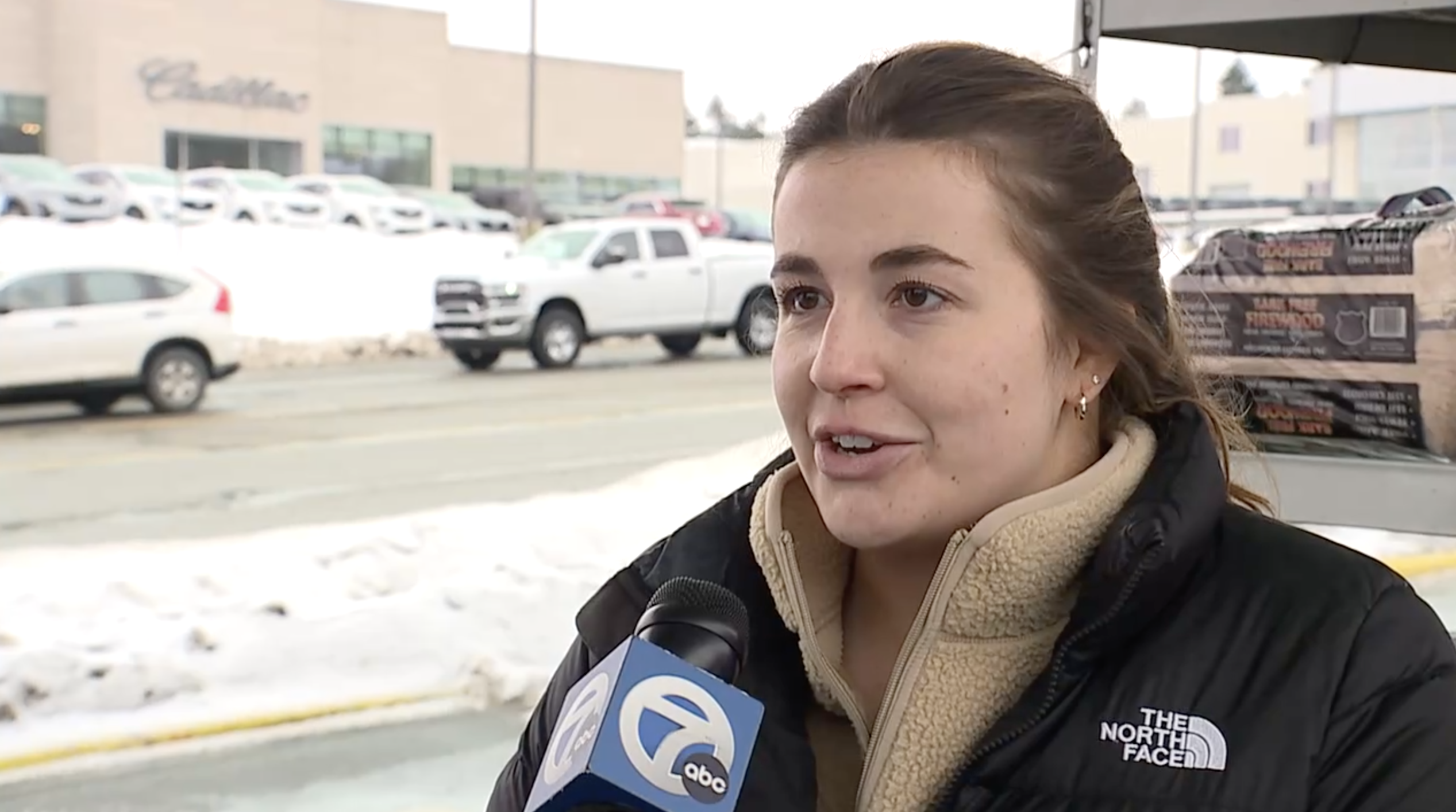
"I drive this road at least five times a day," said Madelyn Eberle, another driver. "It feels like you're driving on a dirt road."

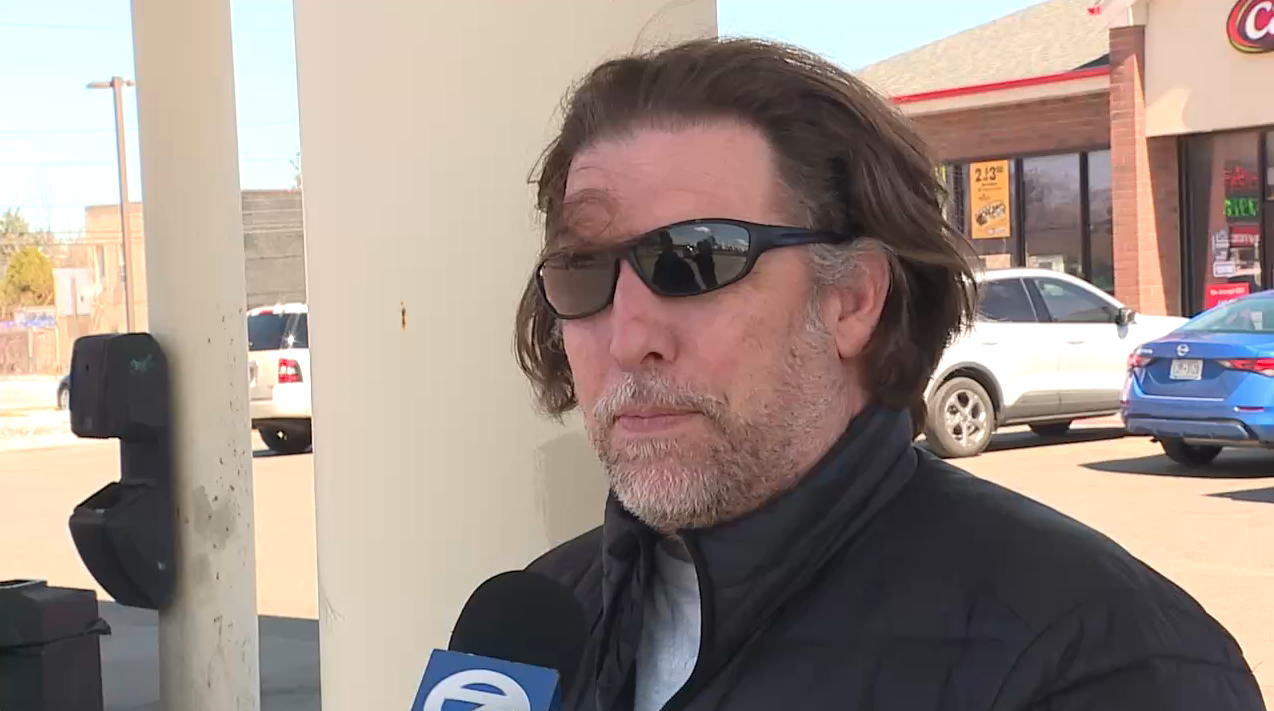
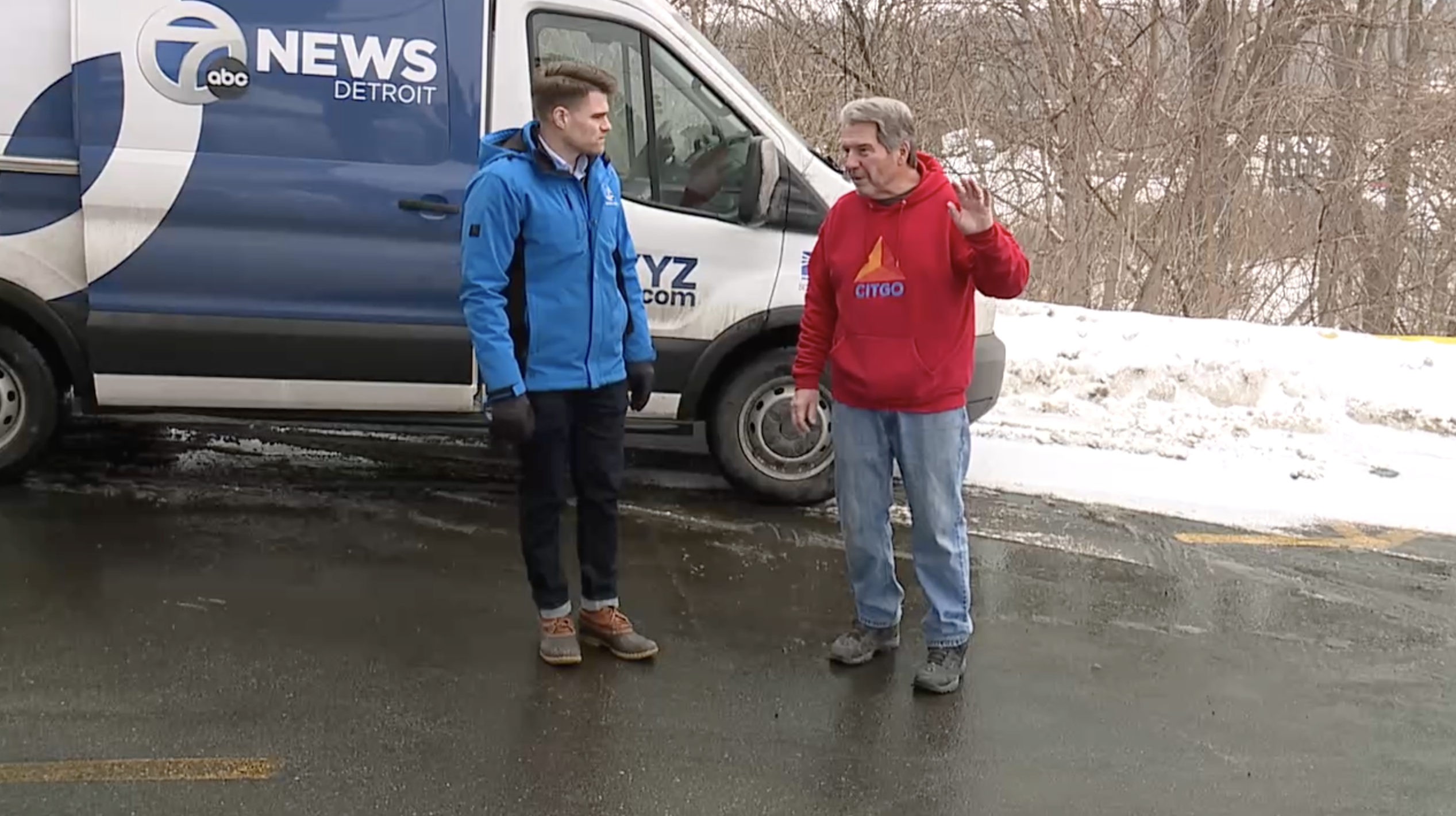
"It's rough," said Bill Dallas, manager of a Citgo gas station along the route. "I mean, there are holes appearing every day."

Related: Let's hear it: Where are the worst potholes in metro Detroit?

Every day, hundreds of people drive this stretch of Rochester Road, where Dallas has lived and worked for more than a decade.

"It's been a long time since it's been this bad. This road is just breaking to pieces," Dallas said.

Many businesses have felt the impact of a crumbling road.

"It hurts business a bit it really does. You're on a road where everyone gets their tires beat up," Dallas said.

For drivers, they feel that impact quite literally.

"I actually had to get a tire replaced because of it," Eberle said.

"The potholes, it feels like the suspension is about to go through the top of the car right there," Jenkins said.

While Rochester Road is a state road controlled by the Michigan Department of transportation, the department contracts with county road crews to do the repairs.

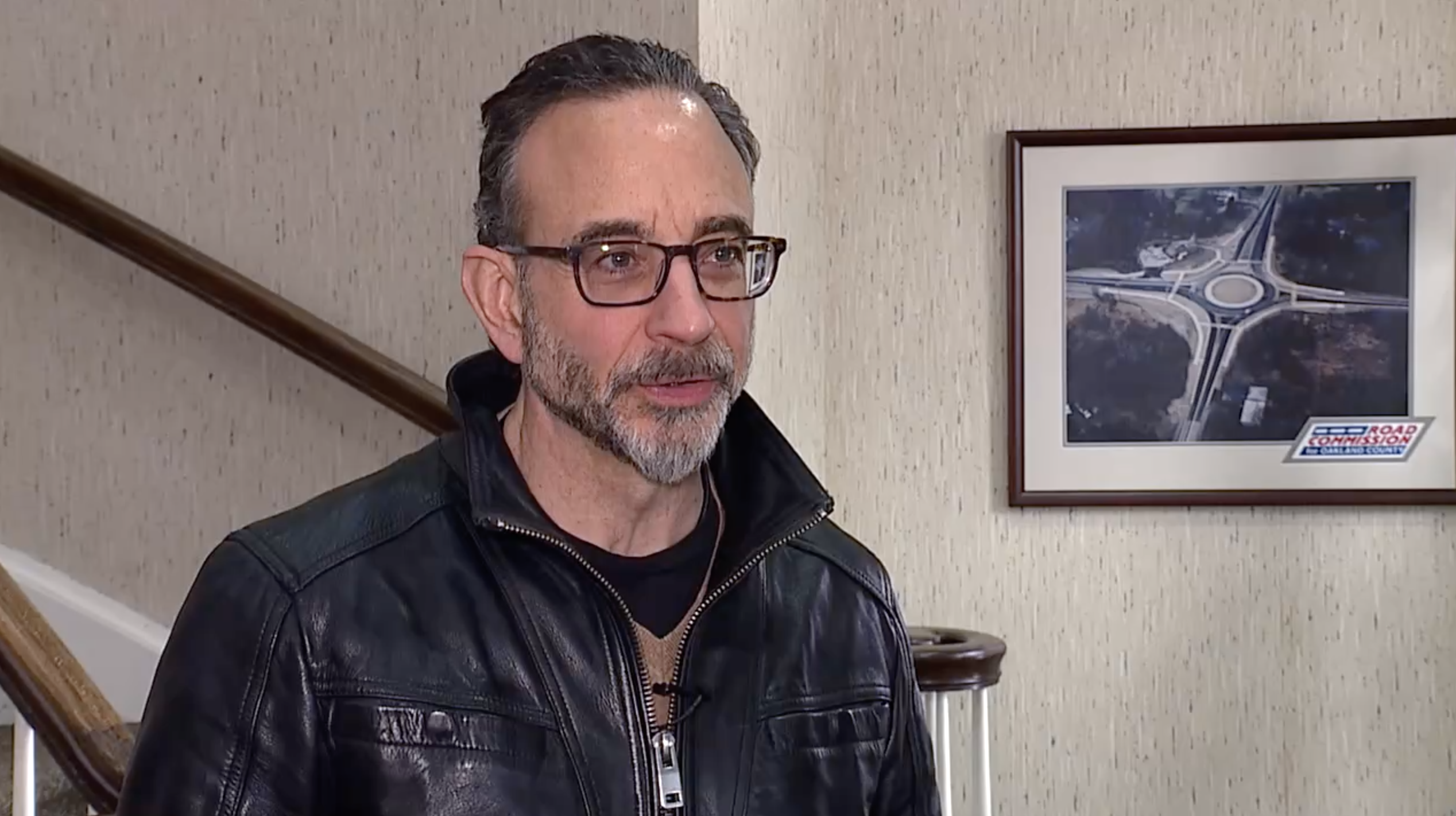
"We've actually been out (to Rochester Road) quite a bit this year. I know we've already been out this week several times," said Craig Bryson with the Road Commission for Oakland County.

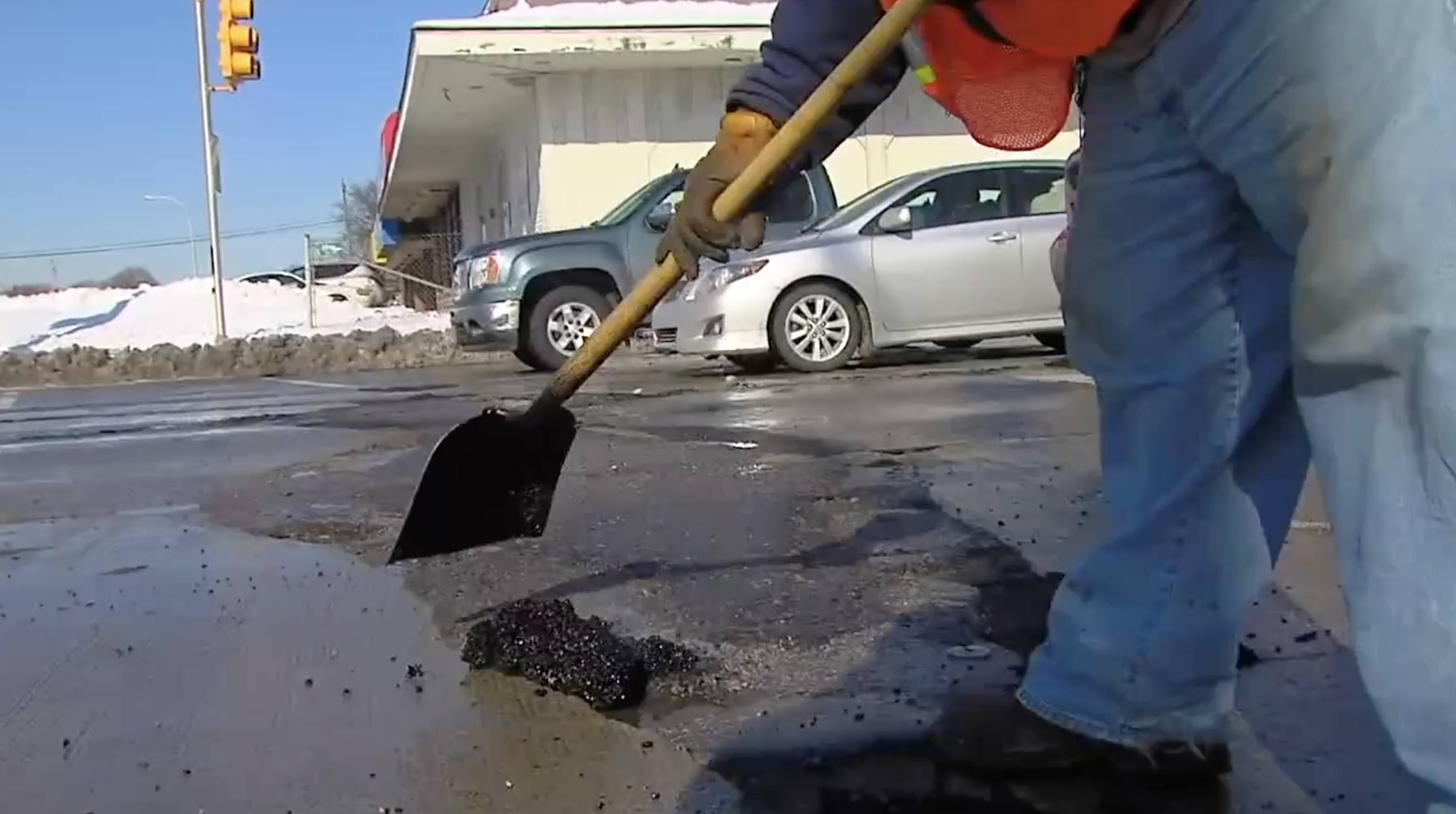
Bryson says hot asphalt isn't available in the wintertime, so crews rely on what's called cold patch for a temporary fix.

"Cold patch is great if the road is dry and the road is solid around the pothole. They can last for a while, sometimes even years. But it's not so great if the road is crumbling around the pothole and there's water in the hole. You could put a patch in and it lasts for a couple hours or a couple of days," Bryson said.

Bryson also said the same crews patching potholes are also responsible for salting and plowing during snow events. So with more winter weather ahead, roads like Rochester won't be getting smoother anytime soon.

"Unfortunately, it's going to get worse," Bryson said. "Usually, the worst time for potholes is in the spring when we have the big thaw."

They are trying, but I've never seen so many holes, Dallas said. "I wish they could do something about it now, but this whole thing is going to have to be resurfaced."

MDOT spokesperson Diane Cross said this section of Rochester Road from M-59 all the way to Tienken Road is set for a major project, which includes a section of the road being totally reconstructed. However, that project won't begin until 2027 and will take roughly two years to complete.

In the meantime, if you spot a pothole, MDOT has a pothole hotline you can call at 1-888-296-4546. Oakland County has information online and an online form.

This story was reported on-air by a journalist and has been converted to this platform with the assistance of AI. Our editorial team verifies all reporting on all platforms for fairness and accuracy.



Rep. Dingell, residents express concern after Ypsilanti data center open house

A controversial $1.25 billion data center development in Ypsilanti Township has elected officials in the community and the University of Michigan at odds over the proposed facility and its partnership with Los Alamos National Laboratory.

Watch Brett Kast's video report: Unanswered questions remain over proposed data center

The University of Michigan says the project isn't a typical data center but rather a "high-performance computational facility" that will help drive research and development. However, the proposed facility has sparked concern among some residents and local officials.

PREVIOUS STORY: University of Michigan to build AI research facilities in Ypsilanti Township, sparking mixed reactions U-M to build AI facilities in Ypsilanti Township amid mixed reactions

The university says a final site for this project has not been determined, but during a recent town hall, they showed plans for two different sites in Ypsilanti Township. Township officials say one of the sites is far from ideal.

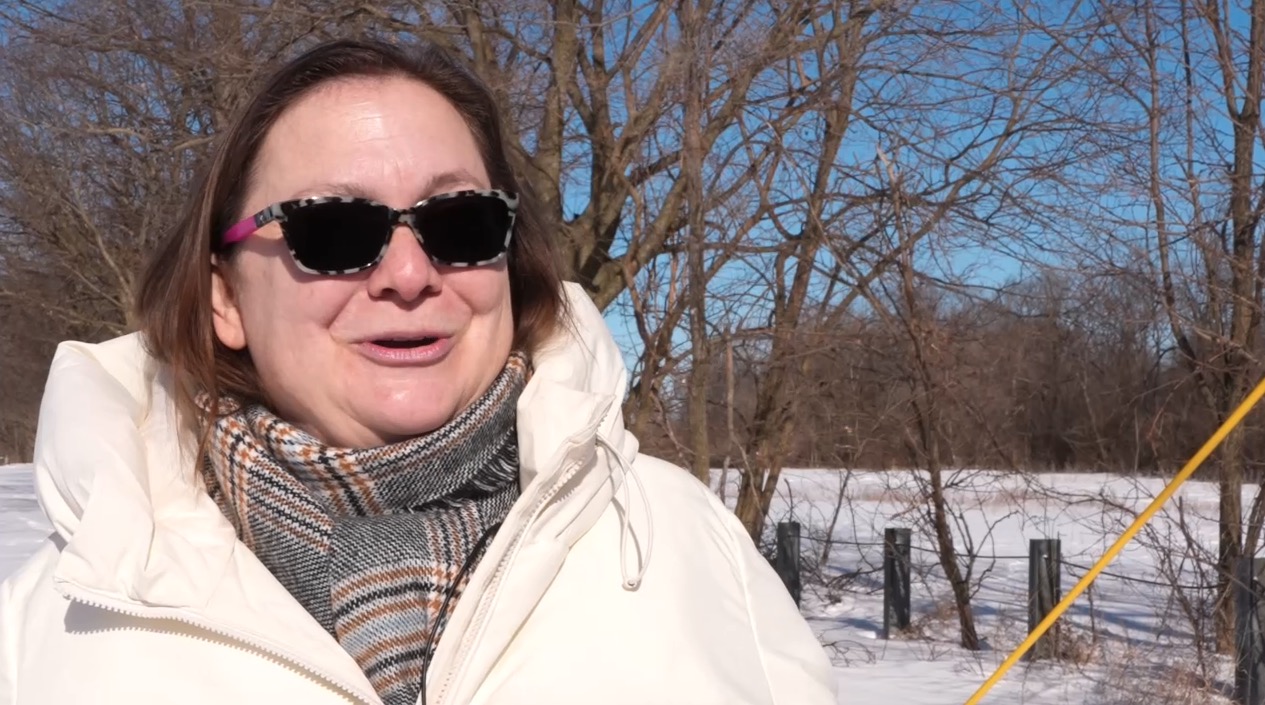
"This is not industrial land, this is our open woods and forest and habitat," said Crystal Lecoq, an Ypsilanti Township resident who often visits the township park near one of the potential sites.

Standing at the entrance to the South Hydro Park, Lecoq expressed worry about what's to come if plans for the facility move forward in the lot next door.

"I feel overall, Michigan is feeling inundated with data center projects, said Lecoq. "People are rightfully concerned, and then you throw in possibly military industrial complex development, no taxes."

The project is a partnership between the University of Michigan and Los Alamos National Laboratory, famously known for its role in developing the first atomic bomb. The university says this project is one-tenth the size of a commercial data center and instead calls it a high-performance computational research facility with two separate parts: an academic computing center for the university and a classified site for Los Alamos scientists and researchers focused on critical national security.

The classified national security component has caused concern among some residents, with an online petition calling for an end to the partnership.

"There's no way to guarantee that this facility wouldn't be doing computational models for weapons of destruction and war, and I think that ignites a lot of passion from folks," Lecoq said.

PREVIOUS STORY: Data center deep dive: A look at metro Detroit proposals & why the area is prime for AI developments A look at local data center proposals & why the area is prime for AI development

In an online FAQ section, the university says the facility will not manufacture nuclear weapons, but is rather for research and high-performance computing.

"It will focus on scientific computation to address various national challenges, including cybersecurity, nuclear and other emerging threats, biohazards, and clean energy solutions," the website reads.

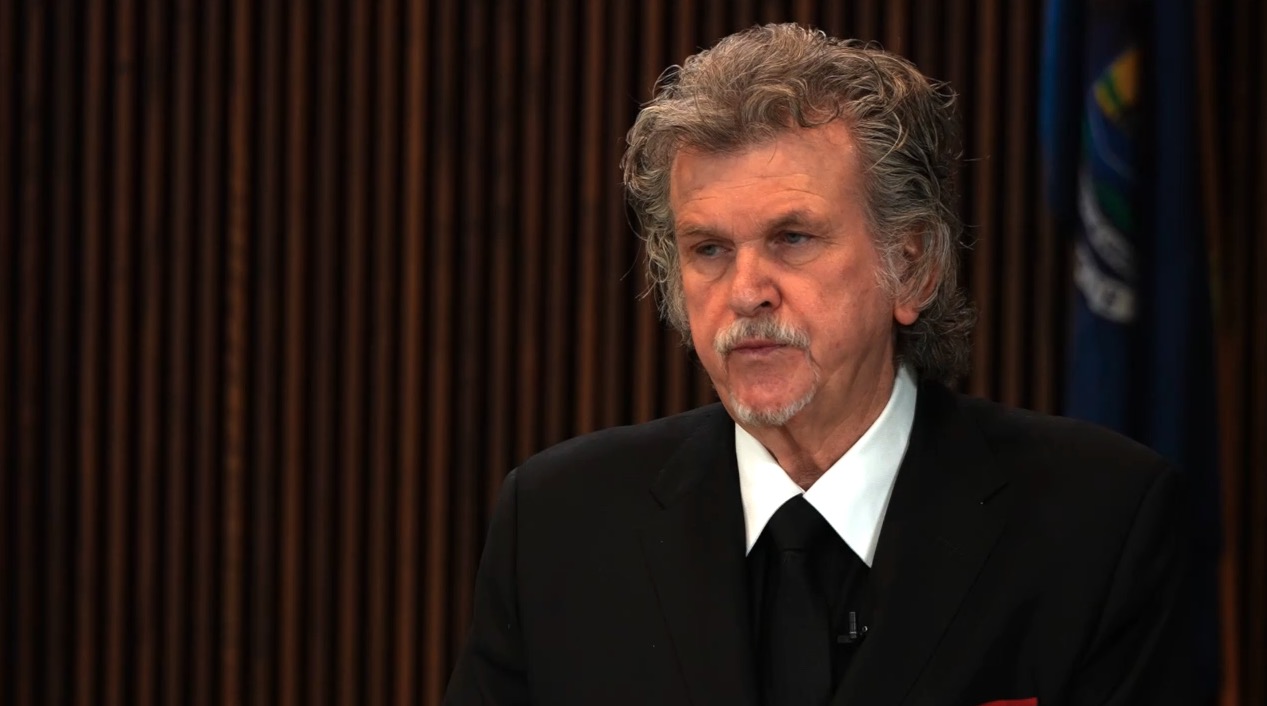
Township Attorney Doug Winters says the township's concerns over the site location, due in part to wildlife and woodland impacts, have gone unanswered. Since the university is exempt from their zoning and ordinances, he says the township gets no tax revenue and no say in the development.

"We do know that Los Alamos has been referred to as being a high-value target, and they should not be located near residents, they should not be located on the banks of the Huron River, and we should have a say so," Winters said. "They operate in a shroud of secrecy; they will not give us their plans. We have no idea what they're doing."

The university and Los Alamos did host an open house for the public on Thursday, with about 400 people in attendance. Project lead and Professor of Engineering Steven Ceccio said the project will bring some of the world's most brilliant scientific minds to Michigan, providing a powerful resource for students and faculty while applying pioneering computing techniques to the work of University of Michigan researchers in medical, energy, and environmental studies.

The University says the project will also create 200 jobs.

Congresswoman Debbie Dingell had publicly pushed for a public meeting to be held by the university, but afterwards said the meeting failed to address concerns and emphasized a lack of transparency.

In a letter sent to University of Michigan President Grasso, Rep. Dingell said:

The community wants and should have a forum where questions are asked and answered publicly... Instead, the open house was structured as many residents described it as a show-and-tell rather than providing a forum for any meaningful dialogue. Without the opportunity for this dialogue, residents left without a clear understanding of the facts and without answers to their questions... What is needed now is a formal, public town hall in Ypsilanti Township that brings the experts together to answer communication in an open and collective setting. Residents have been asking for this for more than a year. The community needs clarity and accountability.

Construction on the project is expected to begin in 2027, with the facility becoming operational in 2031.

Representatives from Los Alamos were in person at the meeting on Thursday to address questions from the community, but were traveling and unavailable for an interview on Friday.

This story was reported on-air by a journalist and has been converted to this platform with the assistance of AI. Our editorial team verifies all reporting on all platforms for fairness and accuracy.

Michigan Senate committee hears testimony on bills limiting ICE operations in state

A package of bills aimed at limiting Immigration and Customs Enforcement operations in Michigan drew packed crowds to a Senate committee hearing in Lansing Thursday, with supporters and opponents weighing in on the controversial legislation.

Watch Brett Kast's video report:

Michigan Senate committee hears testimony on bills limiting ICE operations in state

The three Senate bills would restrict where ICE enforcement can take place, prohibit disclosing certain records to ICE without a warrant, and ban law enforcement officers from wearing masks during operations.

No vote was held on the package, which supporters referred to as ICE accountability bills, but hours of testimony were heard in front of a packed committee room with an overflow area filled with observers.

RELATED COVERAGE: Sheriff clarifies post after talking to ICE regarding Ypsi bus stop reportsSensitive location protections

One bill would prohibit ICE from operating in sensitive areas like schools, churches, courthouses, or crisis centers.

"Targeting our neighbors in sensitive locations is not who we are as Michiganders, it is not who we should be as Americans," said State Rep. Mai Xiong, D-Warren.

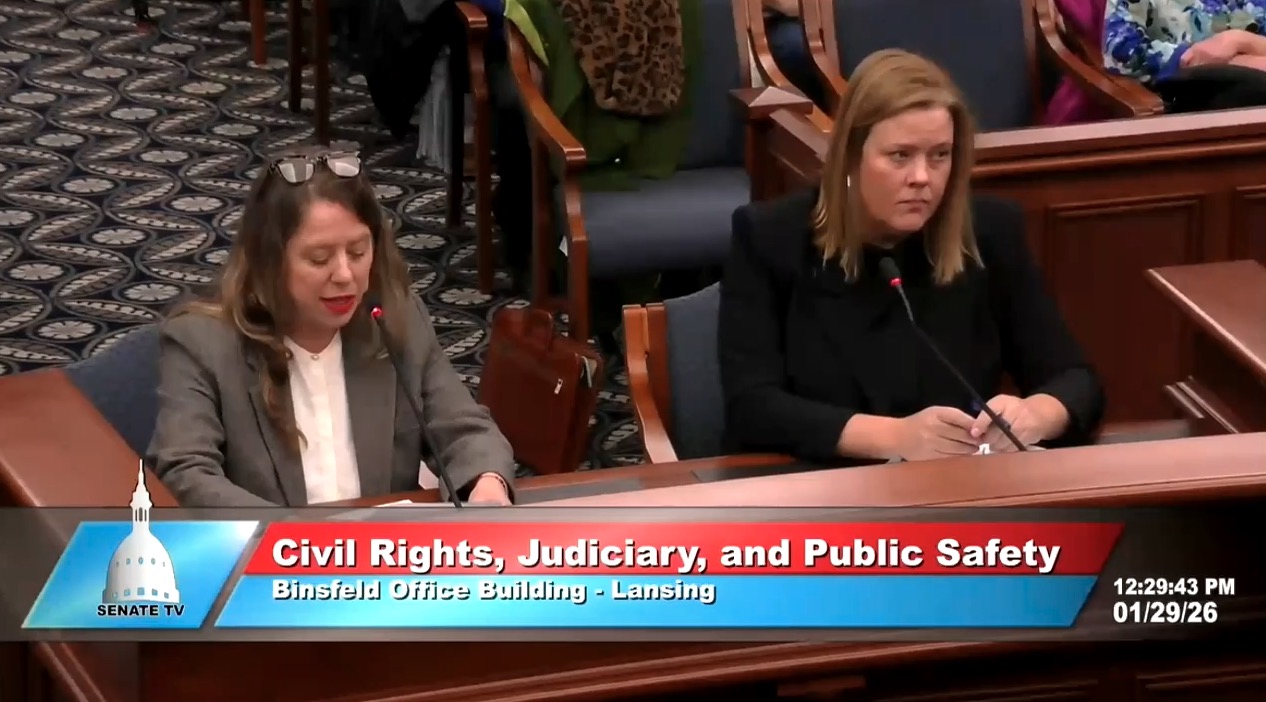
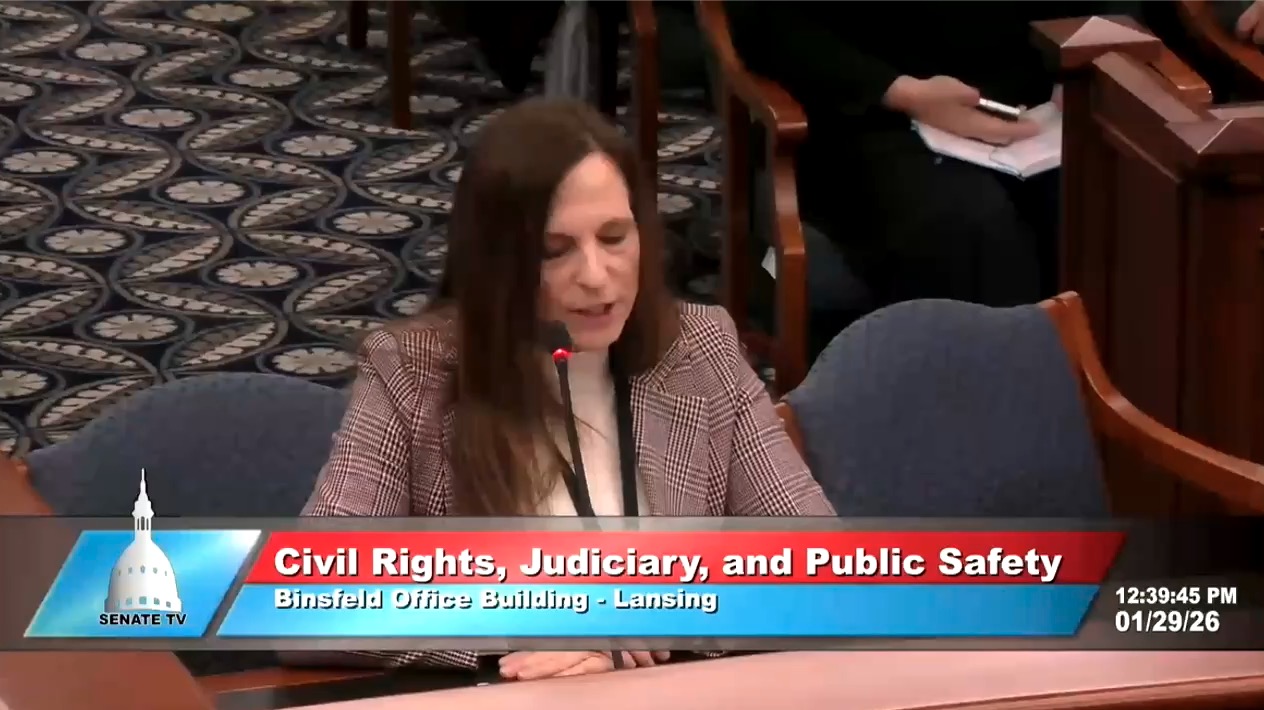
Jessica Glynn, vice president of victim services at YWCA Kalamazoo, supported the measure.

"Without clear protections for sensitive areas, survivors are forced to choose between enduring abuse or risking detention, deportation, or family separation. That is not a real choice," Glynn said.

Shari Rendall from the Federation for American Immigration Reform opposed the legislation.

"Sensitive location legislation creates a bright line that would prohibit immigration enforcement. This bright line is not needed because there is no indication that immigration officials currently conduct general or exploratory raids at sensitive locations," Rendall said.

Mask prohibition and records access RELATED STORY: Attorneys for Minnesota ask a judge to move quickly to haltΒ ICE's operations in the state Attorneys for Minnesota ask a judge to move quickly to halt ICE's operations in the state

The other bills would prohibit certain records from being given to ICE without a warrant and ban ICE officers from wearing masks, something the agency says is done for officer safety.

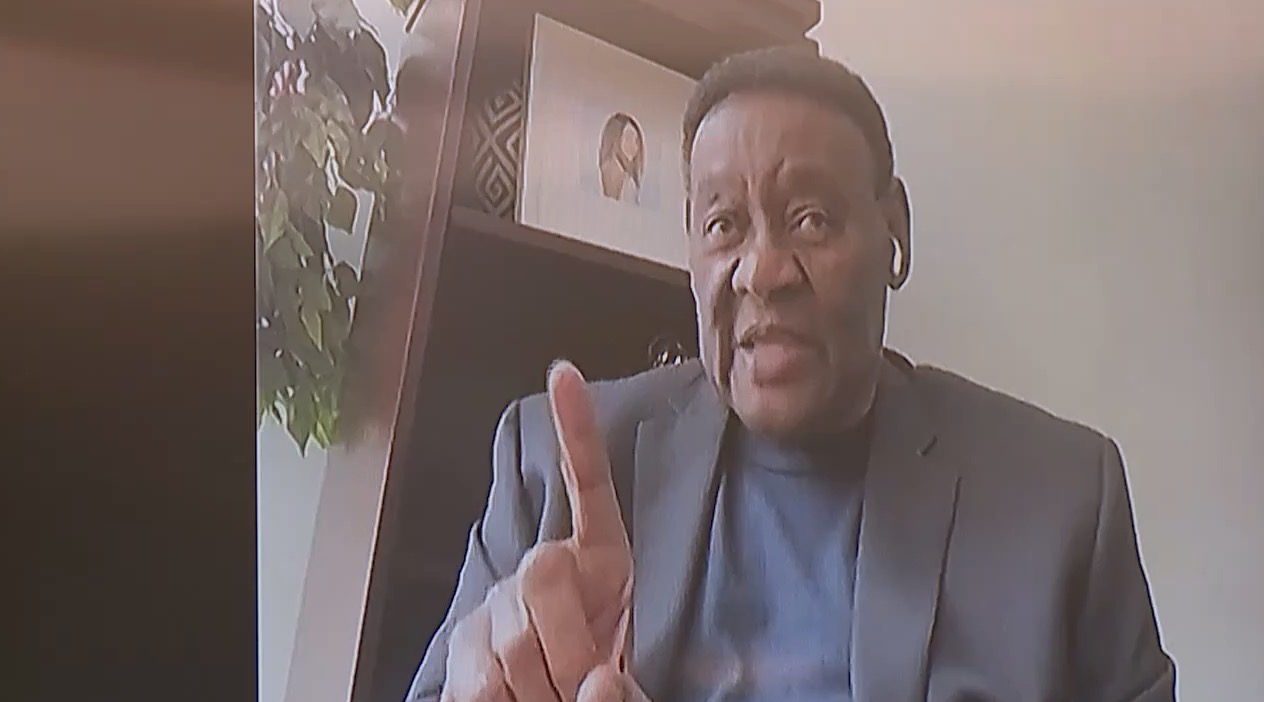
Former Detroit Police Chief Ike McKinnon supported the mask prohibition.

"People who are supposed to protect and serve a community should be identified as to who they are, and should not wear a mask," McKinnon said. "That's a scary thing when people are doing that and (you) don't know who they are."

Rendall disagreed with that provision.

"SB 10 demonizes law enforcement officers who are simply trying to protect their identities and keep them and their families safe," Rendall said.

Community response

Before the meeting, lines of supporters filled the lobby, and an overflow room was packed with people watching the proceedings.

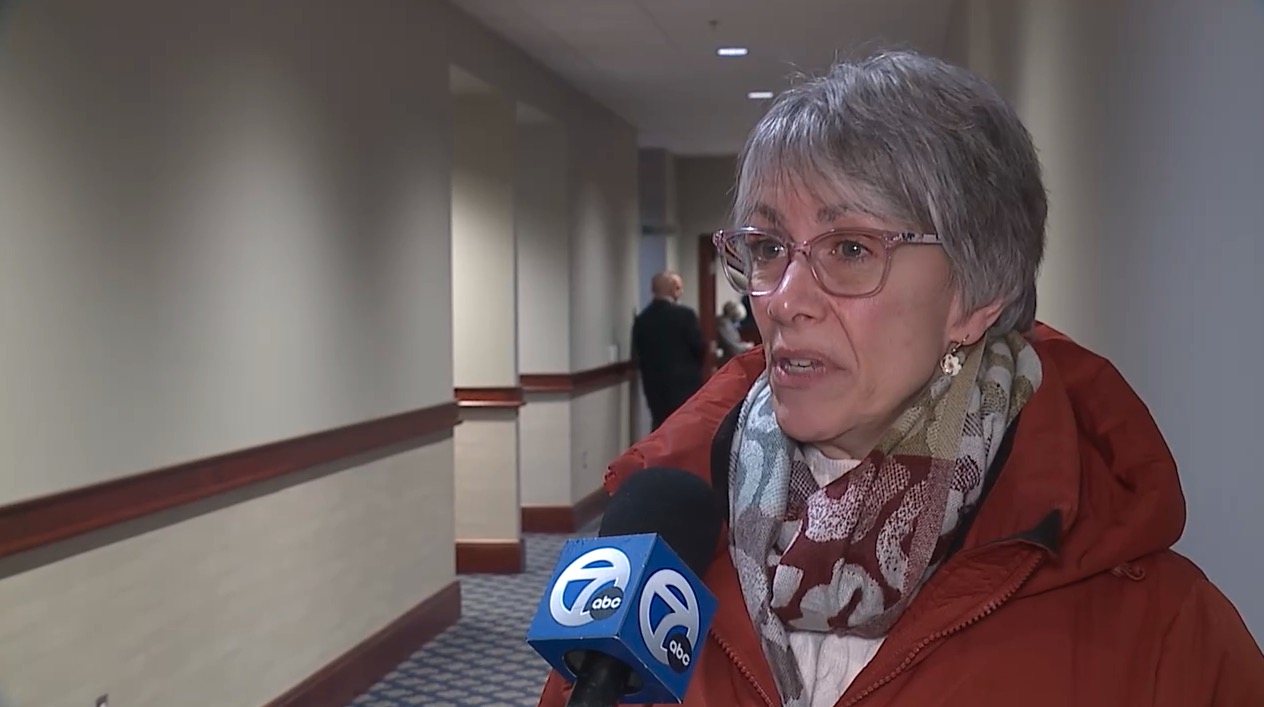
"We wanted to support these bills. I think it's important. I think ICE is way overreaching," said Carol Nicholas of East Lansing, who supports the legislation.

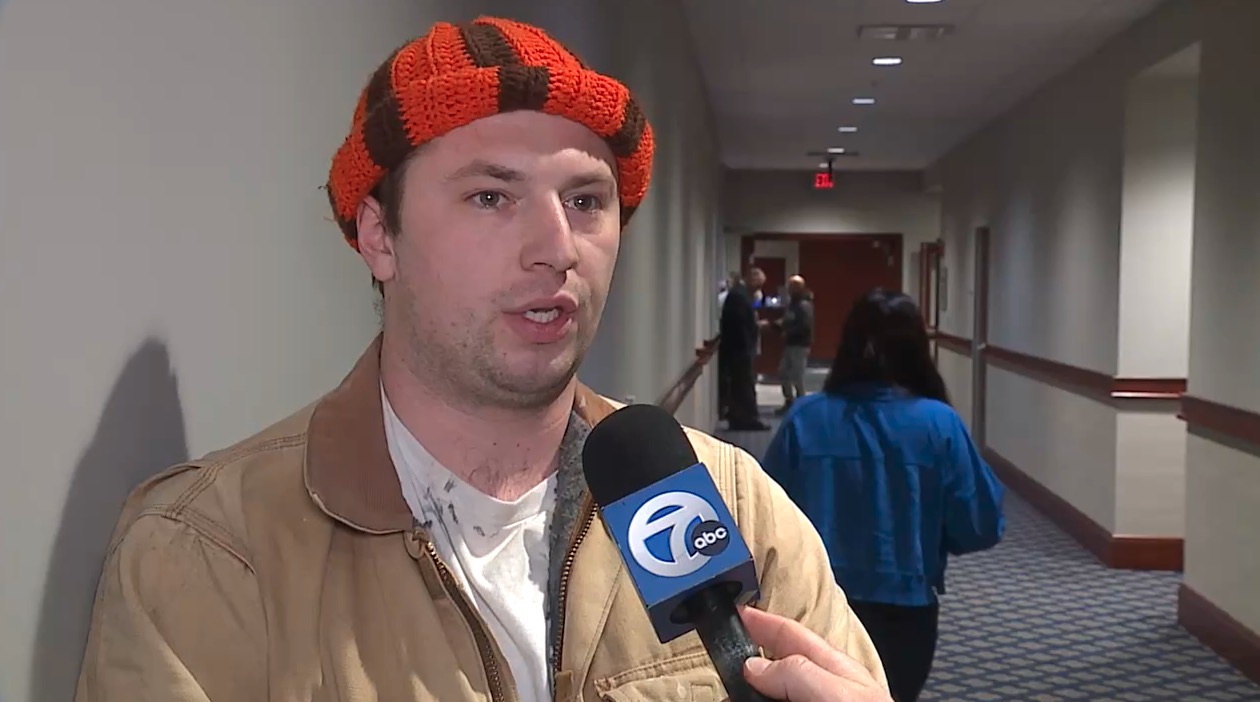
Charlie Fox, another supporter from Lansing, expressed optimism about the approach.

"The fact that Michigan is taking the steps to protect their citizens gives me hope," Fox said. I'm proud that there were a lot of people for the bills.

Committee tensions

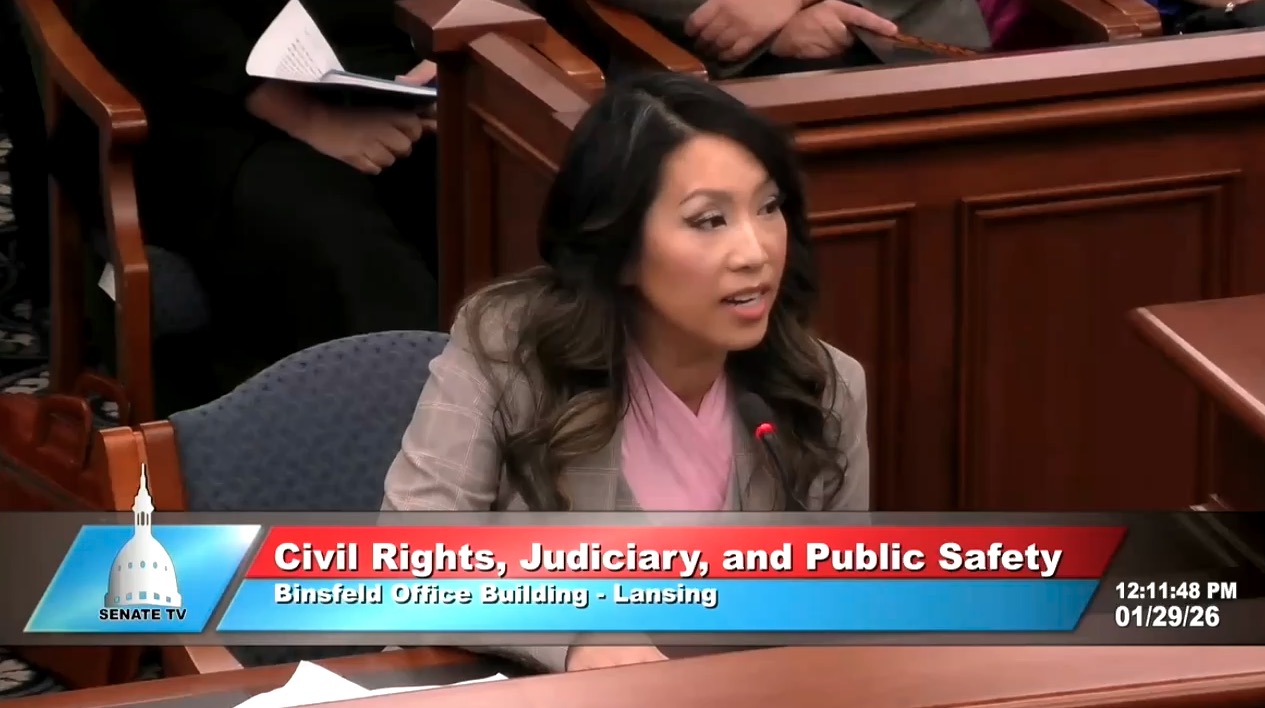
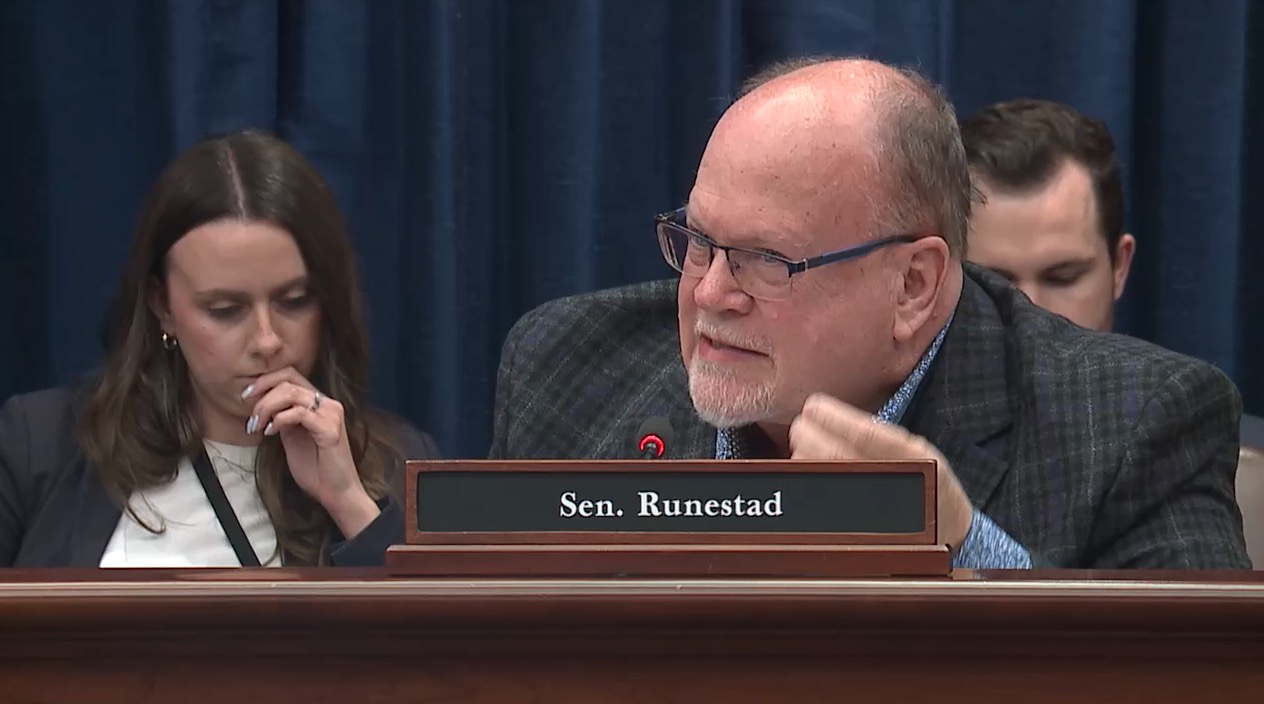
During the hearing, Sen. Jim Runestad, R-White Lake, the only Republican senator present, frequently clashed with the committee chair, Sen. Stephanie Chang, D- Detroit, calling the hearing a kangaroo court and pushing back on testimony.

"The censorship is ridiculous," Sen. Runestad said during a back-and-forth with Sen. Chang, before holding up a sheet of paper and asking, "These are women who have been raped and murdered across the country by illegal immigrants. Have you testified on behalf of any of them?"

The committee will hold a vote on the legislation at a later date.

"This story was reported on-air by a journalist and has been converted to this platform with the assistance of AI. Our editorial team verifies all reporting on all platforms for fairness and accuracy."
❌