❌

Reading view

There are new articles available, click to refresh the page.

US submarine sinks Iranian warship in first torpedo strike since WWII

The U.S. sank an Iranian warship in international waters, Defense Secretary Pete Hegseth said Wednesday, as it intensified its bombardment with Israel of Iran's security forces and other symbols of power. Tehran vowed to completely destroy the Middle East's military and economic infrastructure signaling the war was nowhere near over and could expand further.

The tempo of the strikes on Iran was so intense that state television announced the mourning ceremony for Iranian Supreme Leader Ayatollah Ali Khamenei, who was killed in the conflict, would be postponed. Millions attended the funeral of his predecessor Ayatollah Ruhollah Khomeini in 1989.

RELATED STORY | 6 US service members killed as Iran conflict intensifies

In addition to striking Tehran on the fifth day of the conflict, Israel hit the Iranian-backed Hezbollah militant group in Lebanon, while Iran fired on Bahrain, Kuwait and Israel. As the conflict spiraled, Turkey said NATO defenses intercepted a ballistic missile launched from Iran before it entered Turkeys airspace.

The war has killed more than 1,000 people in Iran and dozens in Lebanon, while disrupting the supply of the worlds oil and gas, snarling international shipping, and stranding hundreds of thousands of travelers in the Middle East.

Both sides are unrelenting in their attacks

Defense Secretary Pete Hegseth said a torpedo from a U.S. submarine sank an Iranian warship. He did not name the ship, but earlier an Iranian warship sank off the coast of Sri Lanka.

In a Pentagon briefing, Hegseth said that the Tuesday night strike on an Iranian warship was the first such attack on an enemy since World War II.

An American submarine sunk an Iranian warship that thought it was safe in international waters, Hegseth said. Instead, it was sunk by a torpedo.

RELATED STORY | Ambassador says US cannot help Americans leave Israel amid escalating Iran conflict

Sri Lankan authorities said 32 people were rescued from the Iranian ship and that others died.

Israel said it hit buildings associated with Iran's Basij, the all-volunteer force of the paramilitary Revolutionary Guard that conducted a bloody crackdown on protesters in January that killed thousands and saw tens of thousands detained in the country.

The Israeli military also said it hit buildings associated with Irans internal security command, which also has suppressed demonstrations in the past. It also pounded towns near Beirut.

Israel and the U.S. have said they want to see the Iranian public overthrow the country's theocracy, and strikes against counterprotest forces are likely part of that effort.

Iranian state television showed the ruins of buildings in the center of the capital of Tehran, with interviewees saying the attacks damaged their homes. Strikes have also been reported in the holy Shiite seminary city of Qom, targeting a building associated with a clerical panel set to pick Irans next supreme leader. Iranian media said it was empty at the time.

State TV has begun calling the conflict the Ramadan war, a reference to the holy Muslim fasting month currently taking place. But that term also suggested leaders are trying to prepare the public for a protracted conflict.

Adm. Brad Cooper, the top U.S. military commander in the Middle East, echoed that sentiment, saying: Weve just begun.

Cooper said American forces have damaged Irans air defenses and taken out ballistic missiles, launchers and drones. Israeli military spokesman Brig. Gen. Effie Defrin said that such damage has led to a decline in launches from Iran.

Still, explosions echoed in the skies over Jerusalem on Wednesday, and Israels military said Iran had launched missiles toward the country, while Hezbollah sent rockets.

Iran has also struck around the region, and air sirens sounded Wednesday morning across Bahrain, home to the U.S. Navys 5th Fleet.

At least 1,045 people have been killed in Iran, the country's Foundation of Martyrs and Veterans Affairs said Wednesday. Eleven people in Israel have been killed. More than 50 people have been killed in Lebanon, according to the Health Ministry. Six U.S. troops have been killed.

Congress weighs war powers resolution as US-Israel strikes on Iran continue

The Senate is expected to take up a war powers resolution Wednesday that could limit President Donald Trump's military capabilities as the U.S. and Israel continue strikes on Iran but the measure is expected to fail, with Republicans largely standing by the president's foreign policy decisions.

The Pentagon has briefed members of Congress on the activities but has not sought congressional approval for the operation. Democrats have argued Trump must get congressional approval to go to war.

"The answers are very unsatisfying when there's no set plan. When you can't hear day after day, we're going to do this, this, this and this. And these are the reasons why you end up with an endless war," Senate Democratic Leader Chuck Schumer said.

RELATED STORY | 6 US service members killed as Iran conflict intensifies

The U.S. military says the first few days of Operation Epic Fury has delivered around twice the number of strikes in Iran than the Shock and Awe campaign of 2003, which marked the beginning of the Iraq War. President Trump has suggested the military campaign could last at least a month.

The Pentagon late Tuesday identified four of the American service members killed in Operation Epic Fury, ranging in age from 20 to 42 Army reservists from Nebraska, Iowa, Florida and Minnesota.

The initial wave of airstrikes killed much of Iran's senior leadership, including Supreme Leader Ali Khamenei. With Iran's leadership decimated, attention has turned to who may lead the country next. One possibility is Mojtaba Khamenei, the son of the Ayatollah killed in the airstrike Saturday. If that selection occurs, it would be viewed by many as a victory for hardliners looking to defend the current Iranian regime.

Trump acknowledged uncertainty about Iran's remaining leadership.

RELATED STORY | Trump vows to continue Iran offensive after deaths of three US troops

"I guess the worst case would be we do this and then somebody takes over who's as bad as the previous person. Well, most of the people we had in mind are dead. So, you know, we had some in mind from that group that is dead and now we have another group. They may be dead also based on reports. So I guess you have a third wave coming in. Pretty sure we're not going to know anybody," Trump said.

Iran has responded to the strikes with missiles launched toward Israel and U.S. allies in the Middle East.

Why the loss of sleep during Daylight Saving Time hits metro Detroit harder than other parts of the country

In just a few days, we spring forward. Hundreds of millions of Americans will lose an hour of sleep. But for many of us here in Michigan, the impact of that change may hit even harder than it does in other parts of the country.

Watch Keenan's report below

Why the loss of sleep during Daylight Saving Time hits metro Detroit harder than other parts of the country

Thats because of something most people never think about: where we sit inside our time zone.

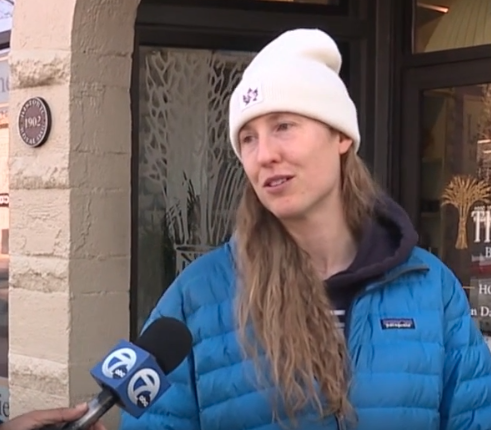
New parents Jim and McKenzie are looking forward to the time change.

"(We're) not too concerned about the baby. He's only two and a half months old, so he's not into much of a routine," McKenzie said.

"It feels like extra time. You have more options at night or right after work," Jim said.

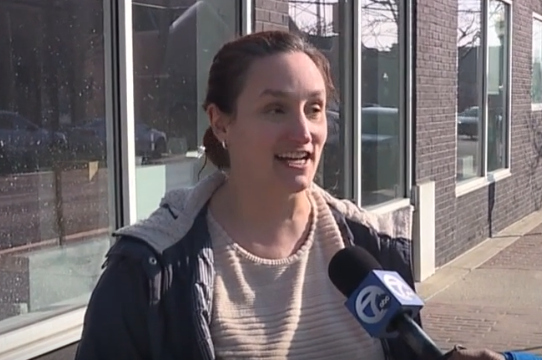
But others disagree, like one daycare worker I spoke with.

"Childcare is really difficult to switch back and forth for the kids' schedules. And so picking one and sticking with it would be really great," said Jessica from Royal Oak.

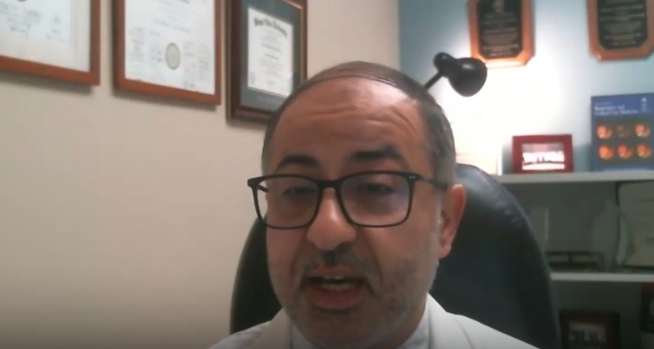
Dr. Abdulghani Sankari, a sleep specialist with the Detroit Medical Center, says we all struggle with resetting our internal clocks with the time change.

"When we spring forward, we abruptly advance the clock one hour," Dr. Sankari said. "But the internal clock that is the biological clock in our brain is very powerful, (and) does not instantly shift."

But Michiganders have an extra challenge. We live on the western edge of the Eastern Time Zone. That means all year long, our sun rises and sets are later than for people living on the East Coast. For instance, sunrise in Detroit when we spring forward is 7:02 a.m., but in Boston it's 47 minutes earlier at 6:15 a.m.

Our later sunrise delays our natural "wake signals," and the bright evenings delay the release of natural sleep-promoting melatonin. That robs us of sleep.

"And that has significant effects over a long period of time," said Dr. Sankari.

Studies comparing time-zone borders find:

Less average sleep on the western side of time zones Higher rates of obesity & heart disease Increased rates of cancer across time zones

Large population studies comparing counties across time-zone borders have found that people living on the later-sunset side tend to get less sleep on average and show higher rates of obesity, diabetes, and heart disease.

Other research has found cancer rates increase gradually from the eastern edge of a time zone to the western edge.

"But now we're advancing the hour also. So that compounded even further," Dr. Sankari said.

Morning light is the strongest signal that tells our body its time to wake up and be alert. When sunrise happens later, but work and school start times stay the same, our internal clock can fall out of sync with our social clock.

Scientists call that circadian misalignment or social jet lag. And this weekend, we face the double threat of being on the western edge of the eastern time zone and the shift to daylight saving time.

Kids and teens face another challenge: pushing bedtimes later while alarms stay the same.

"They basically prefer to go to bed late and wake up late. Natural, that's physiological," Dr. Sankari said. "I would call it triple threat, and that is not good for overall health and optimum performance."

Many sleep experts suggest switching to permanent standard time to better align our social & biological clocks. There have been efforts in Congress, and metro Detroiter Carlo says hes heard it all before.

"It's been an ongoing topic. Nothing ever gets done, just like politics," Carlo said.

So, what can we do?

Shift bedtime 10-15 minutes a day starting now Limit screen time Keep a consistent morning wake-up through the weekend, and expose yourself to sunlight as early as possible to reset your natural biological clock.

So as we get ready to spring forward this weekend, the takeaway is simple. Our bodies are regulated by sunlight, not social schedules. One researcher describes it as "eastern timezone social clocks with central timezone biological clocks". And here in Michigan, that mismatch can feel even stronger 8 months of the year with the switch to daylight saving time.

Where Your Voice Matters

Dittrich Furs restocks shelves for sale on Friday

It may be your last shot to own a piece of Detroit history. Dittrich Furs is putting more coats on the shelves after the first round of closing sales emptied the racks.

The iconic fur store is set to close its doors at the end of next month after 133 years in business.

After that announcement in January, long lines stretched down the block. Workers are getting more coats in place after a restock.

Previous report: Detroit's iconic Dittrich Fur closes after 132 years, ending family legacy in New Center Iconic Dittrich Fur closes after 132 years, ending family legacy in Detroit

The 70% off sale starts this Friday. Doors are set to open at 10 a.m.

'They were going to attack first:' White House continues defense of Iran strikes

President Trump said he believed Iran was going to attack first as the White House continued to defend its reasoning for launching major combat operations against Iran.

The military continued strikes Tuesday with an objective the administration has described as eliminating Irans ballistic missile capabilities, navy and its ability to obtain a nuclear weapon.

They were going to attack if we didn't do it, they were going to attack first. I felt strongly about that. And we have great negotiators, great people, people that do this very successfully and have done it all their lives, very successful. And based on the way the negotiation was going, I think they were going to attack first, and I didn't want that to happen, Trump told reporters during a bilateral meeting with Germanys chancellor.

If anything I might have forced Israel's hand, but Israel was ready and we were ready. And we've had a very, very powerful impact because virtually everything they have has been knocked out now, Trump added.

MORE ON IRAN | War effects spread through the Middle East as Iran retaliates

While military build up in the region and diplomatic efforts with Iran were pursued over the preceding weeks, Friday Trump declared they were not exactly happy with the way they negotiated. Hours later, major American and Israeli combat operations commenced, striking Iranian military targets and taking out its supreme leader and dozens of officials, as Iran has fired ballistic missiles and drones across the Middle East region.

Our objective is to defend the American people by eliminating eminent threats from the Iranian regime, a vicious group of very hard, terrible people. Its menacing activities directly endanger the United States, our troops, our bases overseas, and our allies throughout the world, Trump declared in a recorded video Saturday.

In the following days, administration officials pointed to Irans ballistic missile program and nuclear ambitions.

Secretary of State Marco Rubio described the operation to eliminate the threat of Irans short-range ballistic missiles and the threat posed by their navy. He explained the timing as a belief Iran would respond against an attack by anyone against the United States and there would be higher casualties if the United States waited for Iran to attack first.

We knew that there was going to be an Israeli action, we knew that that would precipitate an attack against American forces, and we knew that if we didnt preemptively go after them before they launched those attacks, we would suffer higher casualties and perhaps even higher those killed, and then we would all be here answering questions about why we knew that and didnt act, Rubio told reporters Monday.

When pressed further, Rubio further explained Tuesday, The President made a decision, and the decision he made was that Iran was not going to be allowed to hide behind its ballistic missile program, that Iran was not going to be allowed behind its ability to conduct these attacks. That decision had been made. The President systemically, made a decision to systematically destroy this terroristic capability that they had, and we carried that out. I was very clear in that answer. This was a question of timing, of why this had to happen as a joint operation, not the question of the intent. Once the President made a decision that negotiations were not going to work, that they were playing us on the negotiations, and that this was a threat that was untenable, the decision was made to strike them.

Trump decided to strike at this time to precipitate an attack on American forces and because the administration believes this is the weakest Iran has ever been, according to an administration official, who noted Trumps explanation that it was the last, best time to destroy Irans capabilities to produce nuclear weapons, launch ballistic missiles or arm terrorist proxies, explaining all can be true at once.

GETTING OUT OF IRAN | Anxious travelers scramble as Iran war strands tens of thousands across the Middle East

Inside negotiations with Iran

Senior Trump administration officials, speaking on the condition of anonymity, further revealed more details about negotiations with Iran, which ultimately led them to believe that Iran was trying to buy time to preserve whatever they could to get past the term of President Trump in order to get to a nuclear weapon.

The USs objectives were prohibiting the acquisition of a nuclear weapon, including retrieving material from the Iranians and permanently shuttering the facilities hit in Operation Midnight Hammer, while the region could discuss Irans ballistic missile program and support for proxy groups like the Houthis, Hezbollah and Hamas, according to the officials.

The officials took note of provocative statements, the offerings the Iranians did not take the US up on and concerns over an Iranian proposal, they believed was all a subterfuge and compared to Swiss cheese.

The officials also noted the United States offered Iran free nuclear fuel at no cost for a civil program, the lifting of some sanctions and the US as an investor on some projects if there was a new framework, according to the officials, but the Iranians declined the offer of free fuel and wouldnt move facilities above ground.

The sense after receiving Irans proposal was dismay, as officials said it would allow Iran to enrich at 5 times the level allowed under the JCPOA, though the United States redline was no enrichment.

The Iranian proposal included a build out schedule with an amount of enrichment needed for new projects starting at 20 percent enrichment, according to officials, who suggested a research facility purported to be used for civil purposes was a false pretense to hide stockpiling. Iran had 460 kilograms of 60 percent enriched uranium and 1000 kg at 20 percent, according to the officials, who noted it could take as little as a week to get 60 percent to 90 percent weapons grade enrichment.

The Director General of the International Atomic Energy Agency, who was involved in the US-Iranian negotiations, told CNN, We never had information indicating that there was a structured, systematic program to build to construct a nuclear weapon, so we have to balance the two things. Yes, many reasons for concern, but there wasn't to be a bomb tomorrow or the day after tomorrow.

I have been very clear and consistent in my reports on Irans nuclear programme: while there has been no evidence of Iran building a nuclear bomb, its large stockpile of near-weapons grade enriched uranium and refusal to grant my inspectors full access are cause for serious concern. For these reasons, my previous reports indicate that unless and until Iran assists the (IAEA) in resolving the outstanding safeguards issues, the Agency will not be in a position to provide assurance that Irans nuclear programme is exclusively peaceful, he later stated online.

Amidst the progression of statements from the Trump administration, some believe the administration is correct.

Underlying all of the confusing and contradictory statements that the administration has done, and I've seldom seen a worse rollout of a major military campaign, their underlying point is correct, said Ambassador James Jeffrey, a distinguished fellow at The Washington Institute who has held a number of diplomatic posts including with focuses on Iran. Strategically, Iran showed, if they hadn't showed it in the 20 years before 2023 with a million people killed in Iraq, Yemen and Syria, they showed from 2023 to 2025 that they are a volatile, aggressive threat to the entire region. And as Kissinger said, they have to decide whether they are a cause, which is where they really are, rather are a nation which they pretend to be only to get diplomatic treatment. And despite their defeat in 2025, it was obvious to everybody that they were trying to crawl back out of their hole, out of their rubble, figure out how, despite being more or less obliterated, they could restart in nuclear program.

The potential for regime change

Meanwhile, while the administration has not listed regime change as an objective in its operations, Trump has called for Iranians to seize this moment.

President Trump said the worst case would be we do this and then somebody takes over whos as bad as the previous person

Wed like to see somebody in there that's going to bring it back for the people. And we'll see what happens with the people. You know, they have their chance and we've said don't do it yet. If you're going to go out and protest don't do it yet. It's very dangerous out there. A lot of bombs are being dropped, Trump said.

The president acknowledged that most of the people we had in mind are dead.

When asked if exile crown prince Reza Pahlaviis was an option, Trump said I guess he is. But added, Some people like him and we haven't been thinking about, too much about that. It would seem to me that somebody from within might, maybe would be more appropriate, I've said that. He looks like a very nice person, but it would seem to me that somebody that's there that's currently popular, if there's such a person.

However, the administration is working on what a sanctions relief package could be if a framework is agreed to with a new government that meets the standards the US has laid out, officials explained.

Previously, Trump said new potential leadership in Iran has indicated they want to talk and eventually he will talk. For now, Operation Epic Fury continues unabated, according to a senior White House official.

Ali Larijani, the head of Irans supreme national security council, proclaimed on X that Iran wont negotiate with the US.

Notably, Steve Witkoff has not had conversations with Ali Larijani, the head of Irans supreme national security council, nor Irans foreign minister since operations started, according to senior Trump administration officials, and there has not been the use of an interlocutor.

It's clear that at least conceptually, the administration is okay with the concept of regime change, but not regime change of the George W Bush era variety, right? We're not talking about Iraq. We're not talking about Afghanistan, said Ilan Berman, Senior Vice President of the American Foreign Policy Council.

People watching the region point to a lack of unification though.

Berman pointed to unsatisfactory results in Trumps first term in efforts to get Iranian opposition groups in the diaspora to work together.

They couldn't get these guys to sit at a table, they couldn't get these guys to form a durable coalition. So I think both, both of those factors are being sort of, you know, are part of the mix or part of the administration's consideration. And so they're not thinking about Iraq, they're not thinking about Afghanistan, but they're thinking, I think, much more along the lines of Venezuela, Berman said.

The protest movement and regime opponents are notoriously not unified, according to a former defense official, who said a best case scenario would be to see leadership that is pro American, with no interest in militarizing Iran, but cautioned it was too early.

To my knowledge, there is currently no fully developed strategy for the future civilian leadership of Iran, German Chancellor Friedrich Merz told reporters after his meeting with Trump.

Administration works to help stranded Americans escape escalating conflict

As the Trump administration worked to justify the Iran war campaign to the American people, officials soon faced a new problem: how to evacuate the tens of thousands of U.S. citizens already in the region as the conflict was escalating.

The U.S. State Department had issued travel advisories urging Americans to reschedule or avoid travel altogether to nations including Israel, Lebanon, Syria, Jordan, Iraq, Afghanistan, the United Arab Emirates and Iran. Further advisories urged Americans elsewhere in the region including in Oman, Saudi Arabia and Egypt to exercise increased caution due to greater security risks from possible retaliation by Iran and its proxies.

But for those Americans already present in those countries, returning to the U.S. on their own was near-impossible; most commercial flights from the region have been canceled or suspended in light of the conflict, and commercial airspace remains closed altogether in some jurisdictions.

Early Tuesday morning, U.S. Ambassador to Israel Mike Huckabee noted there are VERY LIMITED options for Americans in Israel seeking to return to the U.S. He advised citizens utilize shuttle buses organized by Israels Ministry of Tourism to travel Cairo, Egypt, and then try to return to the U.S. on commercial flights.

Not sure when Ben Gurion Airport in Tel Aviv will reopen, Huckabee wrote. Hopefully soon, but even when it does, there will be VERY limited flights with priorities to those who already were ticketed.

Yet as public scrutiny of the situation intensified, the State Department ramped up efforts.

As of Tuesday evening, more than 9,000 U.S. citizens have returned to the U.S. from the Middle East, a State Department official told Scripps News, including more than 300 from Israel. The Department is directly facilitating charter flights for U.S. citizens stranded in the UAE, Saudi Arabia and Jordan, and working to facilitate travel for those trapped in places lacking commercial aviation availability to third countries where outbound flights are still possible.

Americans currently in the region and needing assistance are urged to call the State Departments 24/7 hotline, (202) 501-4444, staffed by more than 120 officials. U.S. officials have already been in touch with more than 3,000 citizens in the region, officials said.

Moreover, the U.S. would waive the statutory requirement requiring Americans to reimburse the government for any travel federal officials arrange.

"They do not need to pay," Tommy Pigott, deputy spokesperson for the State Department told Scripps News. "We are actively helping Americans, proactively reaching out to Americans."

On the domestic front, the State Department was working to brief congressional staff providing consular support for Americans abroad, as well as U.S. governors with citizens trapped overseas. On Tuesday, staff began making proactive calls directly to Americans whod requested support returning to the U.S.

But asked Tuesday afternoon about the plight of Americans unable to return home and why the U.S. appeared to lack a more fulsome evacuation plan, President Trump brushed aside such concerns, suggesting the speed of the operation prohibited implementing such measures.

It happened all very quickly, Trump told reporters. I thought we were going to have a situation where we were going to be attacked.

Talarico triumphs, Cornyn–Paxton runoff caps chaotic start to midterms

State Rep. James Talarico topped Congresswoman Jasmine Crockett in an expensive and fiercely contested Texas Senate Democratic primary that once again has the party dreaming of a big upset in November.

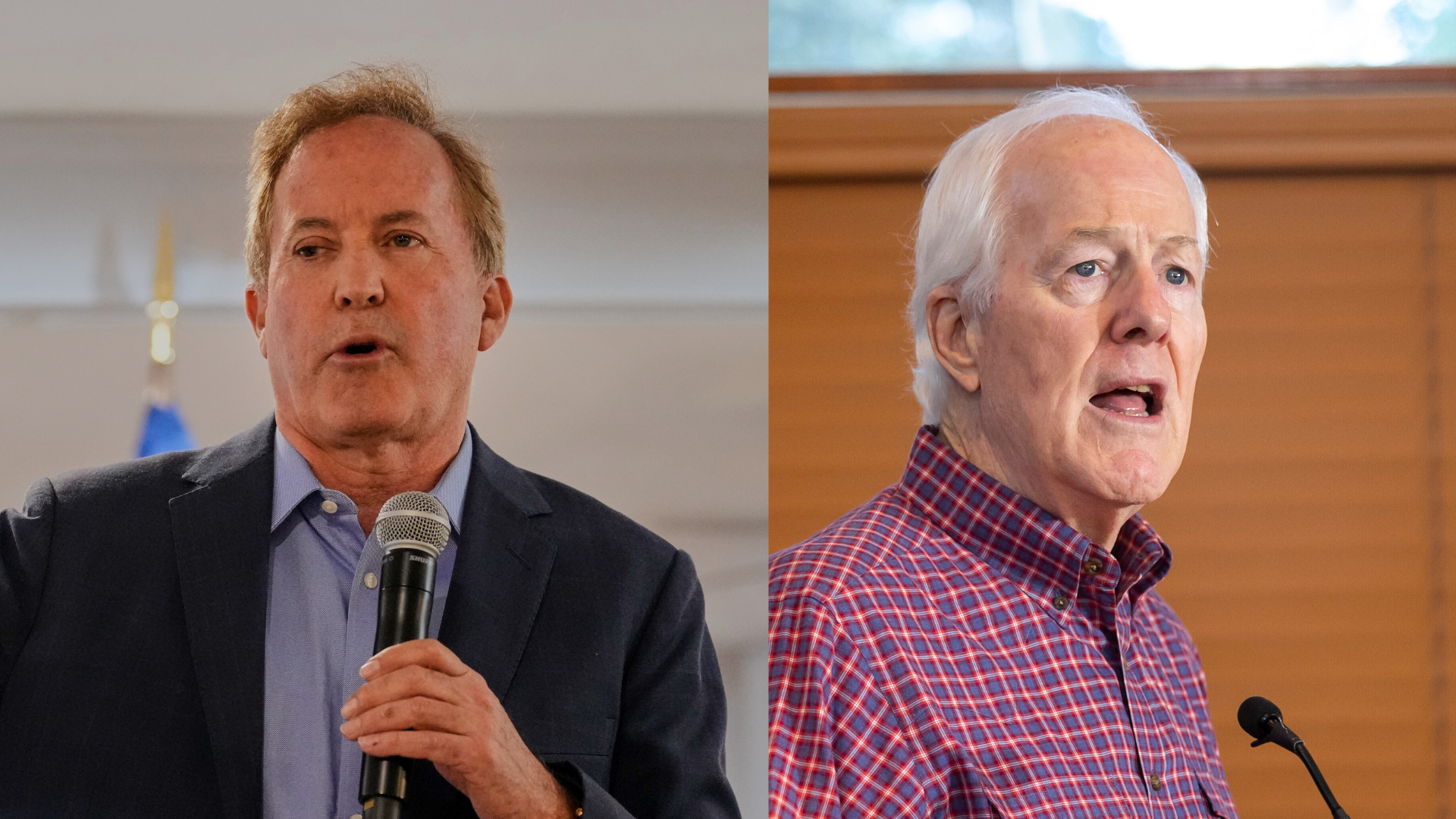
Who Talarico will face depends on a May runoff between longtime Republican Sen. John Cornyn and MAGA favorite Ken Paxton a race expected to get increasingly nasty over coming months and could hinge on whether or not President Donald Trump offers an endorsement.

Texas, along with North Carolina and Arkansas, on Tuesday kicked off midterm elections with control of Congress at stake and against the backdrop of the U.S.-Israeli war with Iran.

No Democrat has won a statewide race in the reliably Republican state in over 30 years, but in a statement after his victory, Talarico proclaimed We're about to take back Texas.

RELATED STORY | Roy Cooper and Michael Whatley clinch North Carolina Senate nominations

Crocketts campaign said she planned to sue over voting issues in Dallas and she spoke only briefly on Tuesday night to warn that people have been disenfranchised."

Republicans head to round 2

Cornyn, meanwhile, is seeking a fifth term but is facing a tough challenge from Paxton, the state attorney general. Cornyn hopes to avoid becoming the first Republican senator in Texas history to seek reelection and not be renominated.

The GOP contest also featured U.S. Rep. Wesley Hunt, who finished a distant third and conceded. But him making it a three-way race made it tougher for any candidate to reach the 50% vote threshold needed to win the nomination outright and avoid the May 26 runoff.

All three campaigned on their ties to Trump, who did not make an endorsement in the race. Now both Cornyn and Paxton will again fiercely compete to curry the president's favor.

Cornyn was facing a tough enough battle that he didn't hold an election night party. Instead, in comments to reporters in Austin, he sought to make the case that a runoff win by Paxton would leave a dead weight at the top of the ticket for Republicans.

Ive worked for decades to build the Republican Party, both here in Texas and nationally, Cornyn said. I refuse to allow a flawed, self-centered and shameless candidate like Ken Paxton to risk everything weve worked so hard to build over these many years.

Addressing supporters in Dallas, Paxton made a point of saying he felt like he had during a recent trip to Mar-a-Lago, Trumps Florida estate. He also proclaimed: We proved something theyll never understand in Washington.

Texas is not for sale, he said.

Cornyns cool relationship with Trump is part of what made him vulnerable. He and allied groups spent at least $64 million in television advertising alone since July to try stabilize his support.

Paxton, who began campaigning in earnest only last month, has made national headlines for filing lawsuits against Democratic initiatives. He remained popular in Texas despite a 2023 impeachment trial on corruption charges, of which he was acquitted, and accusations of marital infidelity by his wife.

Senate GOP leaders, who are backing Cornyn, worry that Paxtons liabilities would make it harder to defend the seat if he is the nominee and require significant spending that could be better used elsewhere.

Confusion at some polling places

In the Democratic campaign, Crockett and Talarico each argued that they would be the stronger general election candidate in a state that backed Trump by almost 14 percentage points in 2024.

Voting was extended in Dallas County and Williamson County, outside Austin, after voters reported being turned away and directed to different voting precincts because of new primary rules. Paxtons office later challenged a decision keeping the polls open longer, and the state Supreme Court ruled that ballots cast by people not in line by 7 p.m. should be separated from others.

RELATED STORY | Texas primaries snarled by confusion as voters are turned away in some counties

It was not immediately clear how the courts action would be carried out or how many eligible ballots remained to be counted in Dallas County, Crocketts home base. Crockett said she would seek legal action after voting was concluded.

And in Harris County, which includes Houston, a spokesperson said that as of 10 p.m. there were still voters at 20 centers.

Democratic race featured clash of styles

Crockett and Talarico waged a spirited race as Democrats look for their first Senate win in Texas since 1988.

Crockett has built a national profile for zinger attacks on Republicans and focused on turning out Black voters in the Dallas and Houston areas. Talarico, a seminarian who often references the Bible, held rallies across the state, including in heavily Republican areas.

We are not just trying to win an election," a jubilant Talarico told supporters in Austin before the race was called. We are trying to fundamentally change our politics. And its working.

Dallas voter Tanu Sani said she cast her ballot for Talarico because he really spoke to me in the way he tries to unify.

Tomas Sanchez, a voter in Dallas County, said he supported Crockett because she cares about immigrants, she cares about the American people in a way that a lot of the Republicans have proven they havent.

Talarico outspent Crockett on television advertising by more than four to one as of late February. He got a burst of attention and campaign contributions last month from CBS' decision not to air his interview with late-night host Stephen Colbert, who said the network pulled the interview for fear of angering Trump's FCC.

Other key primaries

Texas races also featured new congressional district boundaries that GOP lawmakers urged on by Trump redrew to help elect more Republicans. The result matched several Democratic incumbents in primary fights and set up new general election battlegrounds.

Republican former Rep. Mayra Flores was attempting a comeback but was defeated by Eric Flores, a lawyer endorsed by Trump, for the nomination to run against Democratic Rep. Vicente Gonzalez. Mayra Flores made history in a 2022 special election as the first Republican to win in the Rio Grande Valley in 150 years but lost her bid for a full term later that year.

Incumbent Republican Rep. Dan Crenshaw lost his primary to state Rep. Steve Toth, who was endorsed by Sen. Ted Cruz.

Another incumbent GOP incumbent, Rep. Tony Gonzales, was considered vulnerable after an alleged affair with a staffer who killed herself. He was challenged by gun manufacturer and YouTube influencer Brandon Herrera, who calls himself the AK guy. The two will head to a runoff in a district that includes Uvalde, site of a deadly 2022 shooting at Robb Elementary School.

Former Major League Baseball star Mark Teixeira clinched the Republican primary to succeed GOP Chip Roy in southwest Texas.

Democrat Bobby Pulido, a Latin Grammy winner, won his party's primary in South Texas against physician Ada Cuellar. Pulido will face two-term Republican Rep. Monica De La Cruz.

In suburban Dallas, Democratic Rep. Julie Johnson was facing former Rep. Colin Allred, a former NFL linebacker and 2024 Senate nominee.

Democratic Rep. Al Green was fighting to stay in office after his Houston-based district was drawn to lean Republican. Green, 78, ran in a newly drawn district against Democratic Rep. Christian Menefee, 37, who won a January special election for the current 18th District.

Republican Gov. Greg Abbott easily won his primary and will face Democratic state Rep. Gina Hinojosa. Roy advanced to a primary runoff with Mayes Middleton for attorney general.

Michigan couple living in Israel share experiences amid conflict with Iran

Hannan Lis and his wife Lisa's roots are in Michigan. But he said they moved to Tel Aviv Israel's capital during COVID-19 to be closer to their kids and grandkids. That's where he said missile strikes have become periodically routine but still deadly.

"The closest (missile strike) be about less than a mile, during the war in June," Lis recalled.

Watch the video reports below: Michigan couple living in Israel share experiences amid conflict with Iran Michigan couple living in Israel share experiences amid conflict with Iran

For that reason, as soon as our interview started, we had to cut it short.

Unfortunately, in about a few minutes, well have to go into the safe room," he explained to 7 News Detroit.

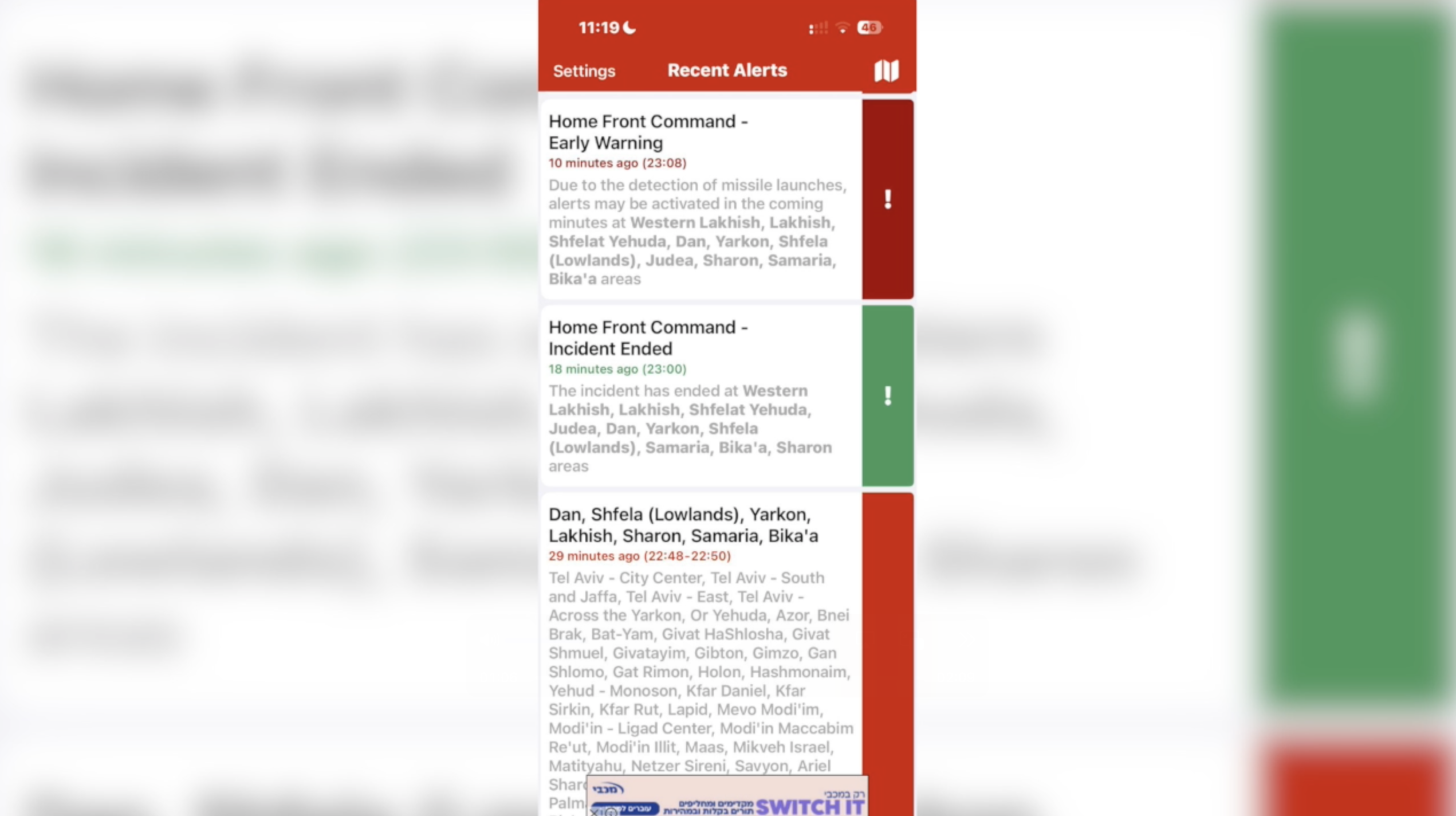
During the interview, Lis received a notification that a missile was headed towards Israel.

This is a missile from Iran," he said. "It's something that we knew this day will come," Lis said.

On Saturday when the war between Iran and Israel and the United States started, he said he headed to the safe room, or bomb shelter, about 10 times that day. His wife chronicles her experience on social media.

"Weve had this (chaos) since Oct. 7," he said.

Oct. 7, 2023, is the day war broke out between Israel and Hamas. He said Israelis have made use of apps that alert them to missiles launched in their direction ever since.

Oh, it just went off. Sirens just went off. So, I got to go. Talk to you later," he said.

After 15 minutes in his safe room, Lis messaged 7 News Detroit that it was safe for him to resume the interview.

"We heard the interception. Theres an impact. It depends on how close it is. You hear the impacts," he explained. Almost all the missiles do get intercepted."

If we didnt have the interceptors to intercept them, youll have thousands of people injured or killed," he added.

Related video: Downriver couple stranded in Maldives as conflict in the Middle East continues Flat Rock couple stranded overseas amid Iran conflict

Despite ongoing wars, he and his wife are staying put in Israel, but they do return to Michigan during the summer months.

"Whatever we have to do to survive to eliminate the threat, we'll do. So, we're willing to endure this week or two of conflict," Lis said.

It's anyone's guess how long this conflict could last. Last June, Iran and Israel fought during what's known as the 12-Day War.

Checker Bar reopens in Detroit's Cadillac Square after fire forced closure

A legendary spot in the heart of Detroit is ready for its comeback. Checker Bar in Cadillac Square reopens Wednesday.

Watch Ryan Marshall's report below

Checker Bar reopens in Detroit's Cadillac Square after fire forced closure

The historic watering hole closed more than a year ago following a fire. The owner says while the space is refreshed, the vintage vibe and famous burgers are here to stay.

We took the best part of Checker, shined them up, kept the grit, Checker Bar owner Timothy Tharp said. We still get people come in all the time and say oh my God, my grandpa had a cheeseburger with me right over there in that booth. So its a pretty special spot.

Previous report: Fire forces Detroit's beloved Checker Bar to close ahead of NFC playoffs Fire forces Detroit's beloved Checker Bar to close ahead of NFC playoffs

The restoration includes a new look for the second floor, which now has billiards and darts.

The bar opens at 11a.m.

Northville considers banning street-level offices in downtown core to protect retail, restaurants

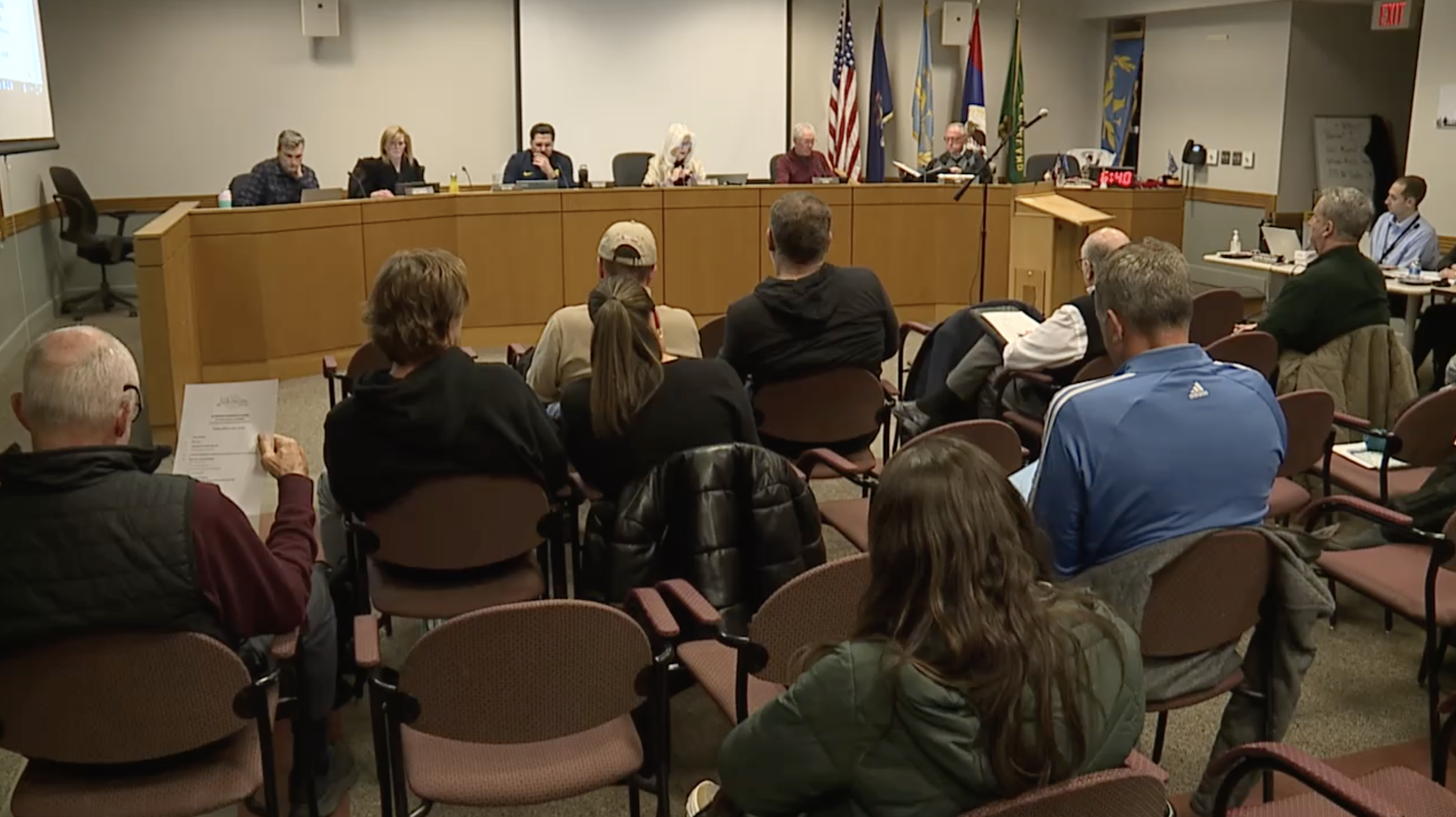
Northville's Planning Commission held a public hearing Tuesday on a proposed zoning ordinance that would prohibit new street-level offices in key blocks of the downtown area.

The proposal is designed to protect walkable retail corridors from being displaced by office tenants willing to pay premium rents but it drew sharp pushback from some business owners at a packed city hall meeting.

Watch the video report below: Northville considers banning street-level offices in downtown core to protect retail, restaurants

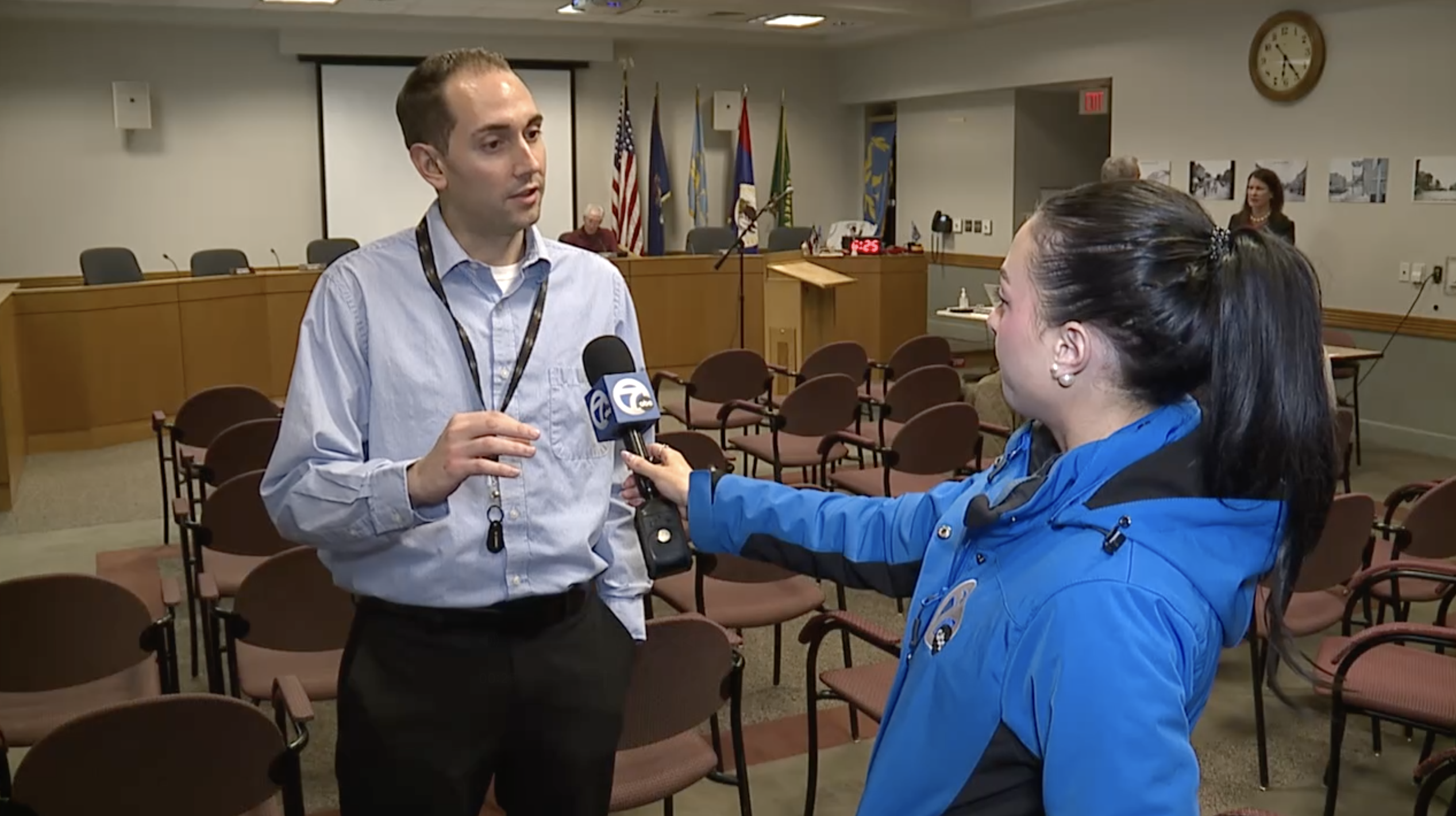
Community Development Director Justin Quagliata said the Central Business District, centered at the intersection of Main Street and Center Street, is one of the city's most prized commercial areas and that rising property values are creating pressure on the spaces that make it thrive.

"Northville is very fortunate there are no vacancies downtown," Quagliata said.

But that popularity comes with a tradeoff. As demand for downtown space grows, Quagliata said offices are increasingly outbidding retailers and restaurants for street-level storefronts.

"We're seeing that absolutely," Quagliata said.

The proposed ordinance would require office uses to occupy upper floors or street-level spaces outside the targeted zone which includes two blocks on Main Street and one block on North Center Street.

Quagliata also emphasized that the ordinance would not force out any existing street-level offices.

"They would be able to continue to operate under the ordinance without any ramifications," Quagliata said.

Related video: Northville businesses could see a drop in foot traffic with construction Northville businesses could see a drop in foot traffic with construction starting today

Supporters of the proposal point to businesses like Great White Buffalo Brewing Company as examples of what the ordinance aims to preserve. The brewery is marking three years in downtown Northville and manager Nolan Radloff said their street-level location is central to their success.

"We couldn't do anything without them obviously, so they're just a huge part of it," Radloff said, referring to the surrounding community.

Radloff said foot traffic from their downtown location drives business in a way that would be difficult to replicate elsewhere.

"Absolutely. I mean, walking around on the streets, you just wander right in or you know exactly where we are. People just know hey, here's the buffalo, let's go in for a quick drink, some great food," Radloff said.

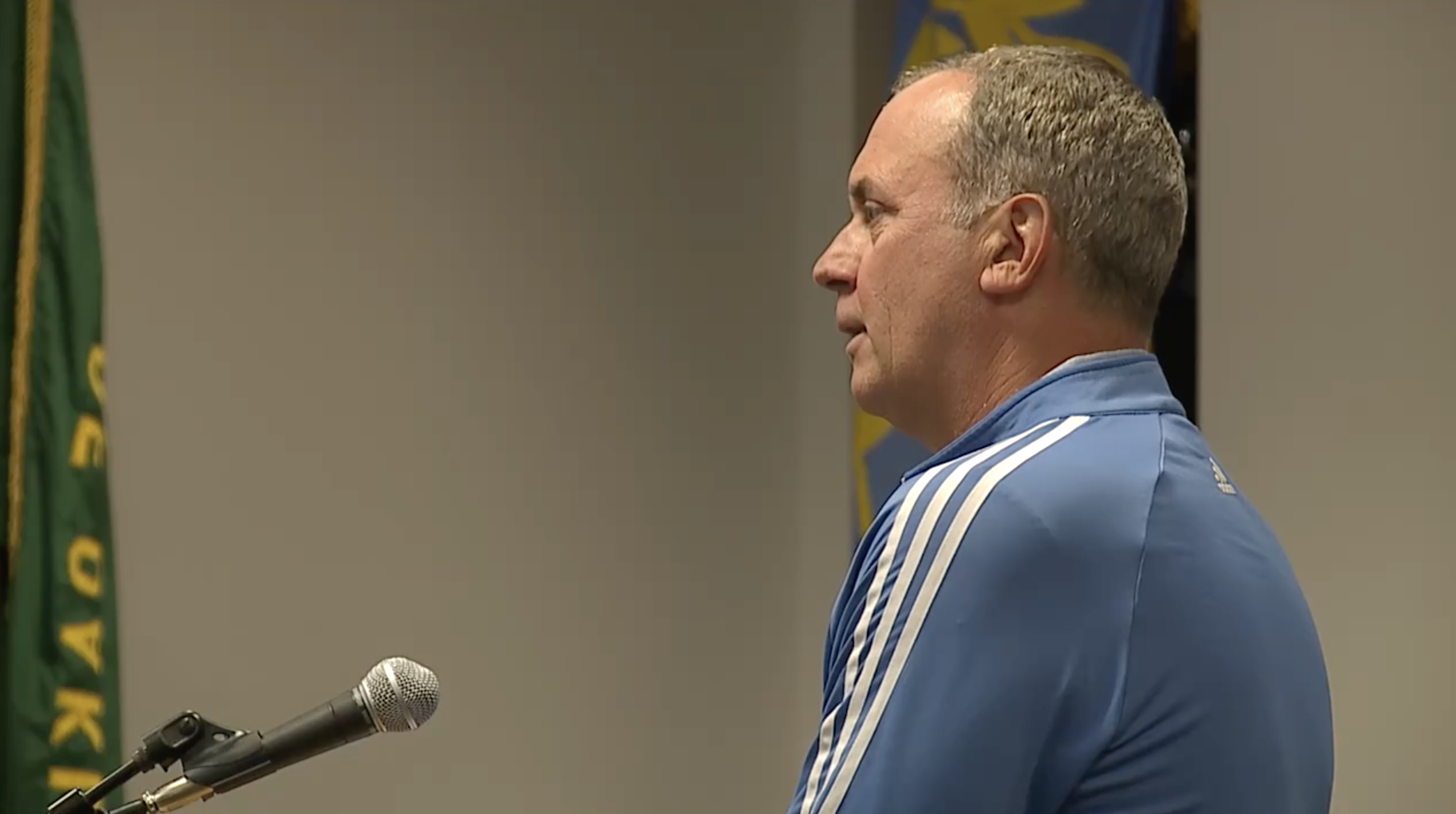
Not everyone is for ordinance. Longtime Northville business owner Dan Welch called the proposal an overreach, arguing that the city cannot legislate consumer demand.

"You cannot ordain demand," Welch said.

Welch questioned the financial burden the ordinance could place on property owners looking to attract or build out retail tenants.

"Do you know how expensive it is to build out a retail space and that's going to be on us?" Welch said.

Welch, who said he purchased his building with plans to either expand his own business into additional space or lease to tenants, said the ordinance would limit his options as a property owner.

"We bought this building for two reasons: we wanted to be owner-tenants and we wanted to use the other space as an opportunity maybe to grow our business and move into or to be a landlord to great tenants like Celebrity Pets. And now, you're going to tell me whether we can do that or not," Welch said.

Welch and several other attendees called on the planning commission to pause the process before moving forward.

Related video: Northville's Town Square Refresh construction begins spring 2026 Downtown Northville undergoing a $3.3 million refresh

Quagliata said the intent behind the ordinance is broadly shared, even among those with concerns.

"Ultimately, the goal is to have an active, strong downtown which I think everybody supports," Quagliata said.

The public hearing was only the first step. The Planning Commission does not have final authority over the ordinance; city council will cast the deciding vote.

This story was reported on-air by a journalist and has been converted to this platform with the assistance of AI. Our editorial team verifies all reporting on all platforms for fairness and accuracy.

Detroit man whose confession to 1999 murder was coerced by rogue cop released from prison

DETROIT (AP) A man in prison for more than 25 years was freed Tuesday after prosecutors acknowledged that his confession to a Detroit murder in 1999 was coerced by a rogue police officer.

Wearing a big smile and a Detroit Lions hoodie, George Calicut Jr. hugged his legal team as he emerged from a prison in Coldwater, Michigan, where he was serving a life sentence.

Calicut, 56, has long professed his innocence in the murder of Virgie Perkins there were no witnesses or physical evidence against him and said he never saw his purported confession until confronted with it at trial.

In addition, recent DNA testing further supports the lack of any evidence connecting him to the killing at Perkins' home, the Wayne County prosecutor's office and his lawyers said.

Clearing Calicut reflects this offices unwavering commitment to the integrity of convictions and the credibility of the system, said Valerie Newman, head of the conviction integrity unit.

Calicut was released from prison soon after a judge dismissed the case at the request of lawyers on both sides.

He was represented by the Innocence Clinic at University of Michigan Law School. Cooley Innocence Project at Cooley Law School also had a role.

Calicut was accused of choking Perkins and cutting her neck while stealing money and a phone from her home in 1999. He admitted that he took a phone the next day from Perkins' son but said he grabbed it from a vehicle.

At trial, a Detroit homicide investigator, Barbara Simon, acknowledged that she wrote Calicut's alleged confession before he signed it. Calicut testified in his own defense and denied the statements but was nonetheless convicted of murder and automatically given a sentence of life in prison without the possibility of parole.

Simon told Mr. Calicut, who had no prior interactions with police, that she could help him by creating a statement that would reduce the charge to manslaughter, which would allow him to get a bond and go home, prosecutors and Calicut's attorneys said in a four-page agreement to have the conviction dismissed.

Simon, who's retired from Detroit police, could not be immediately reached for comment. A phone number was unanswered.

Detroit has spent millions of dollars settling lawsuits related to Simon's work as a homicide investigator.

Records show Calicut's trial prosecutor was Mike Cox, who later served as Michigan attorney general and is now a Republican candidate for governor. An email seeking comment about the exoneration was not immediately answered.

Roy Cooper and Michael Whatley clinch North Carolina Senate nods, setting up high-stakes fall fight

Former Democratic Gov. Roy Cooper and ex-Republican National Committee Chairman Michael Whatley each won their partys U.S. Senate nominations in North Carolina on Tuesday, setting the bout for a fall campaign that could determine control of the chamber.

Whatley and Cooper were victorious in their respective primary elections over crowded fields seeking the seat being vacated by Thom Tillis, who chose last June not to seek a third term. The two announced their candidacies weeks later and had been essentially ignoring intraparty rivals and their respective sides, going after each other almost daily.

Coopers race entry brought optimism to Democrats aiming to take back the Senate this year with a net gain of four seats. Democrats view the most likely path as winning in North Carolina, Maine, Alaska and Ohio. With Cooper, Democrats have a popular two-term governor who served 24 consecutive years in statewide office.

Whatley, who is also a former state GOP chairman, entered the race when President Donald Trump endorsed him after Lara Trump, the presidents daughter-in-law, declined to run. Donald Trump won North Carolina in all three of his presidential elections.

Tillis decision not to seek a third term came as the president called publicly for a primary challenge to him because of his opposition to Trumps big tax breaks bill, particularly for the Medicaid cuts contained within.

MORE ELECTION NEWS | Texas primaries snarled by confusion as voters are turned away in some counties

Cooper, 68, formally entered the race weeks later, as did Whatley, who was buoyed for the nomination by Trumps backing.

While Cooper currently has a significant fundraising advantage so far over Whatley, both are skilled solicitors within the donor class of their respective parties. Political experts say a rush of outside money for and against the pair could make the race among the most expensive Senate campaigns in U.S. history.

A Democrat hasnt won a Senate race in usually competitive North Carolina since 2008, but national GOP campaign strategists said Cooper makes the seat more difficult to hold.

Cooper hasnt lost a North Carolina election going back to first running for the state House in the mid-1980s. But Democrats havent always translated their state government success to winning federal offices in the closely divided state.

Whatley, 57, lives outside of Charlotte. His career has included working in President George W. Bushs administration, for then-North Carolina Sen. Elizabeth Dole and as an oil and gas lobbyist.

Cooper and his allies have centered Whatley campaign attacks on his loyalty to the president and Trump policies that they say are raising costs on families or hurting poor people.

Theyve linked to Whatley the presidents tariffs, Medicaid spending reductions and the piecemeal distribution of aid by the Trump administration to mountain communities devastated by Hurricane Helene in 2024.

I want to make sure that Im a strong, independent senator who can work with this president when I can, stand up to him when I need to and recognize that people are struggling right now, Cooper told supporters recently at a Raleigh voting site.

Whatley has continued to stick close to Trump, saying his initiatives are cutting taxes and wasteful spending and rebuilding U.S. military might in the world.

I will be a true America First partner to President Trump and deliver real results for North Carolina families, he said in a recent statement.

As a sign of Trumps personal interest in the race, the president brought Whatley onto the stage at Fort Bragg to speak during an event to honor special forces members who stormed into Venezuela last month to oust former President Nicols Maduro.

Whatley blames Cooper for promoting what he calls an extreme radical-left ideology that brought inflation and unfettered immigration.

Whatley, Trump and other Republicans have accused Cooper of promoting soft-on-crime policies while governor that have led to daily outcomes in particular last Augusts fatal stabbing of Ukrainian refugee Iryna Zarutska on a Charlotte light-rail train. The suspect had more than a dozen prior criminal arrests before his most recent charges.

Cooper rejects such accusations and in turn told reporters that he has a career of prosecuting violent criminals and keeping thousands of them behind bars.

Commerce Secretary Lutnick will give testimony in House Epstein investigation

The House Committee on Oversight and Government Reform says it will hear voluntary testimony from Commerce Secretary Howard Lutnick as part of its investigation into matters related to convicted sex offender Jeffrey Epstein.

Secretary Lutnick has proactively agreed to appear voluntarily before the House Committee on Oversight and Government Reform," Republican committee chairman James Comer said in a statement on Tuesday. "I commend his demonstrated commitment to transparency and appreciate his willingness to engage with the Committee. I look forward to his testimony.

Lutnick has drawn scrutiny for his ties to Epstein. Lutnick had previously claimed he had not seen Epstein since 2005, three years before Epsteins 2008 conviction on child prostitution charges.

But recently released emails from Epstein suggest he and Lutnick last met in 2012.

At a hearing of the Senate Appropriations subcommittee on Commerce, Justice, Science and Related Agencies, Lutnick confirmed he had been on a boat with Epstein in 2012. He said he was not sure why we did it, but insisted there was nothing untoward about the meeting. Lutnick has not been accused of any crimes.

White House Press Secretary Karoline Leavitt said Commerce Secretary Howard Lutnick still has the full support of President Donald Trump.

RELATED NEWS | House Oversight Committee releases video of Bill and Hillary Clinton depositions

The House Oversight Committee last week completed depositions of former Secretary of State Hillary and former President Bill Clinton as part of its Epstein investigation.

The depositions, which took place on February 26 and 27, are part of the committee's investigation into matters related to convicted sex offender Jeffrey Epstein.

Archdiocese of Detroit launches phase 2 of restructuring effort

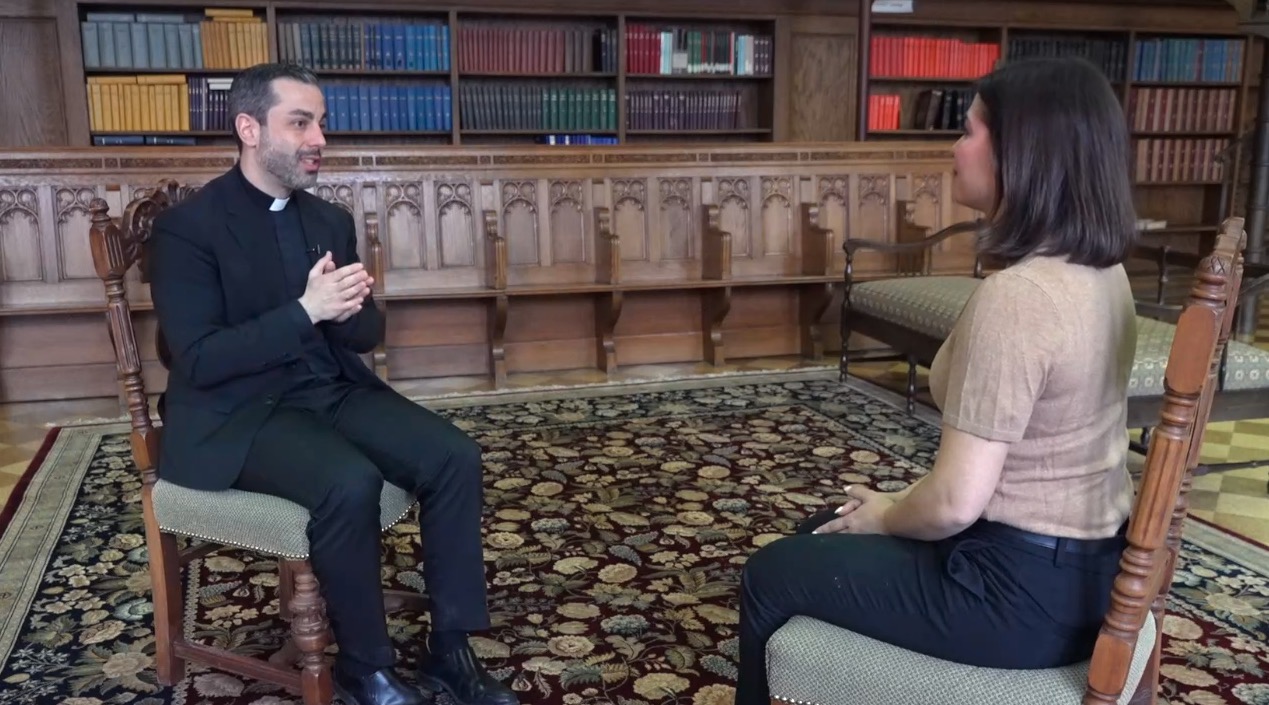
The Archdiocese of Detroit is in the middle of a major restructuring effort that could result in church closures across southeast Michigan, as leaders grapple with declining attendance and a growing priest shortage.

Watch Jolie Sherman's video report: Archdiocese of Detroit speaks about restructuring effort

More than 200 priests gathered Tuesday at the Sacred Heart Major Seminary in Detroit for what the Archdiocese is calling "Phase 2" of the restructuring effort.

The Archdiocese of Detroit was once home to more than a million Catholics, but that number is now closer to 900,000.

PREVIOUS REPORT: Restructuring the Archdiocese of Detroit Restructuring the Archdiocese of Detroit

There are currently 209 parishes across Southeast Michigan, but with attendance shrinking and a priest shortage projected to decline by 40% in the next few years, leaders say it is not enough to keep every parish open.

Archbishop Edward Weisenburger said the situation calls for a new approach.

"The way I look at it, it's just my personal analogy. I don't know that it's perfect, but if Detroit had 100 hospitals, but the same amount of doctors, nurses, and technicians, it would be awfully hard for us to keep people well in the medical world," Weisenburger said.

Weisenburger addressed hundreds of priests Tuesday as they met to discuss the future of the Archdiocese.

"When a church gets so small, a parish community is so small, what you don't realize anymore is, you're not experiencing community. So, it's kind of redirecting our energies and our efforts so that we can really go back to that mission of the church as opposed to just kind of maintaining buildings," Weisenburger said.

WEB EXTRA: Detroit Archbishop Edward Weisenburger speaks on restructuring plan for Archdiocese Detroit Archbishop Edward Weisenburger speaks on restructuring plan for Archdiocese

Father Mario Amore, Executive Director of the Department of Parish Renewal, said priests are now reviewing plans for each area of the diocese.

"So much of their time in January was focused on their specific planning area, but now they're going through each area and hearing what the models are for each of the parishes," Amore said.

Amore said the Archdiocese expects to move several priests across the diocese to serve the different pastorates, or groupings of parishes. Meaning a majority of Catholics could have a new priest by 2027.

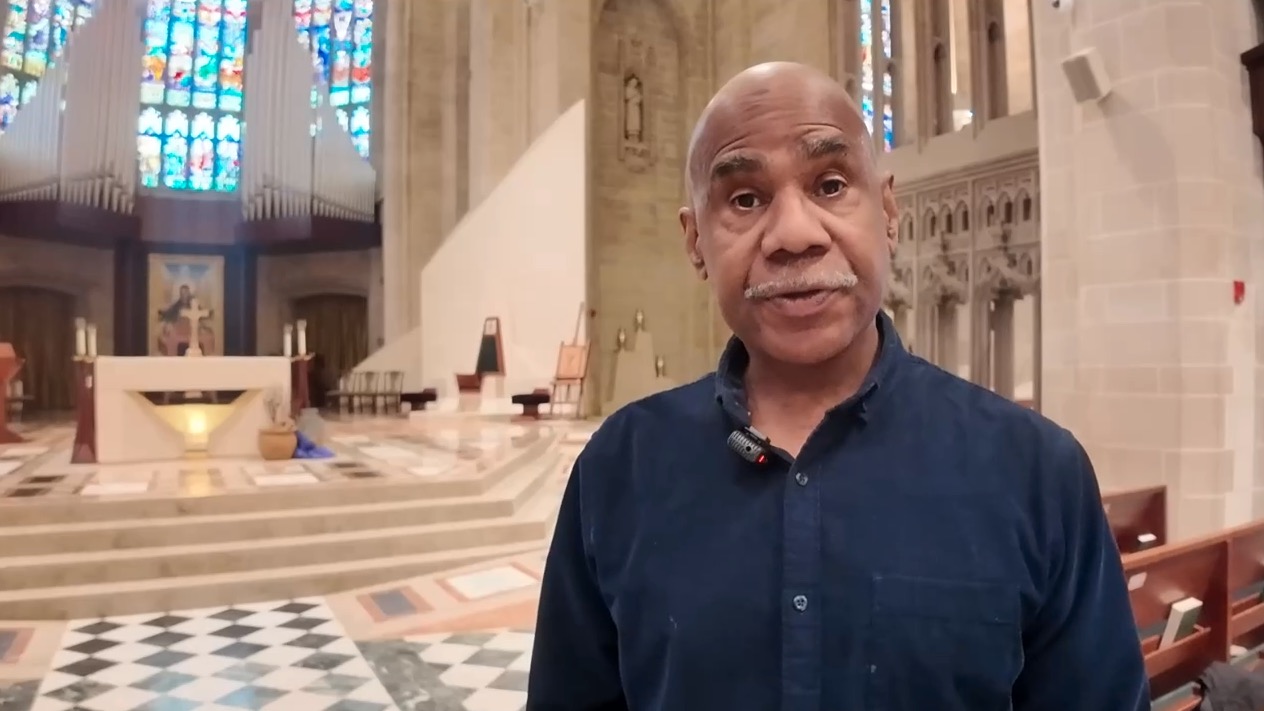
Mark Justice, a parishioner at the Cathedral of the Most Blessed Sacrament in Detroit, has served as an usher there for nearly 30 years. He said the uncertainty is weighing on his fellow parishioners.

"I'm feeling just what everybody else is feeling right now," Justice said. "People are nervous, people are scared, they don't know what's going to happen, but I also try and give them the other side as to the whys. Why is it necessary? We have some beautiful churches here in the Archdiocese, but they all cost in order to run."

As a way to keep parishioners informed, the Archdiocese is releasing workbooks online for all 209 parishes containing demographic and financial information. Travis Greer, Director of Pastoral Strategies, called the release a major milestone.

Read part of the workbook released by the Archdiocese:

Arcdiocese of Detroit Workbook_WXYZMarch3 2 by WXYZ-TV Channel 7 Detroit

"It's really a historic moment for the archdiocese. We've never shared this level of information publicly before, and it will be information that's available to all parishioners on March 4 on the restructuring.aod.org website," Greer said.

Parishioners will be able to review the information as the process moves forward. Each parish will host two listening sessions between April and June, and registration opens Saturday, March 14.

This story was reported on-air by a journalist and has been converted to this platform with the assistance of AI. Our editorial team verifies all reporting on all platforms for fairness and accuracy.

Questions mount in Congress over Iran war's costs, risks and exit plan

Tensions flared as questions mounted at the U.S. Capitol on Tuesday over the Trump administrations shifting rationale for war with Iran as lawmakers demand answers over the strategy, exit plan and costs to Americans in lives and dollars in what is quickly becoming a widening Middle East conflict.

Trump officials arrived at the Capitol for a second day of closed-door briefings, this time with all members of the House and Senate as the administration tries to stave off a looming war powers resolution vote intended to restrict Trumps ability to continue the joint U.S.-Israel campaign against Iran.

"The president determined we were not going to get hit first. Its that simple, Secretary of State Marco Rubio said in a testy exchange with reporters at the Capitol.

RELATED STORY | Rubio walks back claim that US strikes on Iran were influenced by Israel

Rubio pushed back on his own suggestion a day earlier that Trump decided to strike Iran because Israel was ready to act first. Instead, he said Trump made the decision to attack this past weekend because it presented a unique opportunity with maximum chance for success.

There is no way in the world that this terroristic regime was going to get nuclear weapons, not under Donald Trumps watch," he said.

The sudden pivot to a U.S. wartime footing has disrupted the political and policy agenda on Capitol Hill and raised uneasy questions about the risks ahead for a prolonged conflict and regime change after the killing of Iran's Supreme Leader Ayatollah Ali Khamenei. At least six U.S. military service personnel have died so far.

The turn of events has intensified the push in Congress for the war powers resolution among the most consequential votes a lawmaker can take, with the war well underway as administration officials are telling lawmakers it will need supplemental funds to pay for the conflict. It comes at the start of a highly competitive midterm election season that will test Trump's slim GOP control of Congress.

Senate Democratic Leader Chuck Schumer left the closed hearing said he was concerned of mission creep in a long war.

Senators demand answers, and some cheer Trump on

Senators spent the morning grilling Trump officials during an Armed Services Committee hearing over Rubios claim Monday that the president, believing that Israel was ready to act, decided it was better for the U.S. to launch a preemptive strike to prevent Iran's potential retaliation on American military bases and interests abroad.

RELATED STORY | Trump suggests 'somebody from within' Iranian regime could succeed Khamenei

Sen. Angus King, the independent from Maine, said its very disturbing that Trump took the U.S. to war because Israels Prime Minister Benjamin Netanyahu wanted to bomb Iran. Past U.S. presidents, he said, have consistently said, No.

Defense official Elbridge Colby told senators the president directed the military campaign to destroy Iranian missiles and deny the country nuclear weapons.

Trump himself disputed the idea that Israel had forced his hand. In his own Oval Office remarks, he said, "I might might have forced their hand.

Sen. Markwayne Mullin, a Trump ally from Oklahoma, said the president did the world a favor.

How about we say, Thank you, Mr. President, for finally getting rid of this nuisance, he said.

But Sen. Elizabeth Warren, D-Mass., demanded to know how this fits into Trumps America First campaign promise not to commit U.S. troops to protracted military campaigns abroad.

Trump has suggested the war could drag on, and has not ruled out sending American troops into Iran.

America First and peace through strength are served by rolling back as the military campaign is designed to do the threats posed, Colby responded. This is certainly not nation-building. This is not going to be endless.

Whats next for the Iranian regime and its people

Questions are growing over who will lead Iran after the death of Khamenei, who has ruled the country for decades, as are worries of a leadership vacuum that creates unrest.

Democrats warned against sending U.S. military troops into Iran after more than two decades of war in Iraq and Afghanistan in the aftermath of the Sept. 11, 2001, attacks.

I am more fearful than ever we may be putting boots on the ground, said Sen. Richard Blumenthal, D-Conn., after the closed briefing.

The reason why theres so much consternation on our side is because President Trump has not given us a clear reason why he is in Iran, said Sen. Kirsten Gillibrand, D-N.Y. If he wants to declare war on Iran, that is the job and responsibility of Congress under the Constitution.

Republicans insist its not for the Americans to decide the future of Iran.

That's going to be largely up to the Iranian people, said Senate Majority Leader John Thune, a Republican.

Sen. Tom Cotton, the GOP chairman of the Senate Intelligence Committee, pointed to the aftermath of the U.S. attacks on Venezuela in January that ousted President Nicholas Maduro and elevated his vice president, Delcy Rodriguez, to power.

Cotton said on CBS over the weekend that he imagines some leaders inside of Iran who might be jockeying to audition for the role of Irans Delcy Rodriguez.

Trump, in calling for Iranians to use this opportunity to take back their country, has acknowledged the uncertainty.

Most of the people we had in mind are dead, Trump said Tuesday. He also panned the idea of elevating Reza Pahlavi, the exiled crown prince of Irans last shah, to take over in Iran.

Sen. Lindsey Graham, a Trump confidante, said over the weekend, Its about the threats, not about whos in charge. If the next group in Iran continues to threaten America, they will meet the same fate.

War powers resolutions become a consequential vote

Both the House and Senate are preparing to vote on war powers resolutions that would restrain Trump's ability to continue waging war on Iran without approval from Congress.

Under the U.S. Constitution, it's up to Congress, not the president, to decide when the country goes to war. But lawmakers often shirk that duty, enabling the executive branch to amass more power to send the military into combat without congressional approval.

Why are we spending billions of dollars to bomb Iran? said House Democratic Leader Hakeem Jeffries, who said there would be strong support from Democrats for the resolution.

But House Speaker Mike Johnson has said it would be frightening to tie the president's hands at this time, when the U.S. is already engaged in combat.

Other lawmakers have suggested that if Congress does not vote to restrain Trump, it should next consider an Authorization of the Use of Military Force, which would require lawmakers to go on record with affirmative support for the Iran operation.

Former President George W. Bush sought, and received, authorization from Congress to launch the post-9/11 wars.

Downriver couple stranded in Maldives as conflict in the Middle East continues

A Downriver Michigan couple says they are stranded in the Maldives after military strikes in Iran prompted airspace closures across the Middle East, canceling their flight home and leaving them with mounting expenses and unanswered questions from federal officials.

Angela Reid booked the trip to celebrate her husband Baxter's improving health following a cancer diagnosis.

Watch the video report below: Flat Rock couple stranded overseas amid Iran conflict

"And it was beautiful and we were having the best times of our lives and then, Saturday happened," Angela Reid said.

On Saturday, the U.S. and Israel began military strikes in Iran. The closure of airspace in the Middle East canceled the Reids' flight on Monday that was supposed to take them from the islands to Dubai, then to France, before eventually heading home.

"Never in a million years when I booked this trip did I think anything like this was going to happen," Angela Reid said.

The couple is now stranded at a hotel in the Maldives, where they say expenses are building up.

"We've been paying about anywhere from $500 to $700 a night including food," Angela Reid said.

With no clear timeline for departure and concerns mounting, the couple says attempts to contact U.S. federal officials for assistance have offered little relief.

"And it's becoming exhausting because the more we ask questions, the less answers we get," Baxter Reid said. "I have cancer, so I have to get back to my appointments and I'm running out of out medication here."

Related video: Iran war sparks deep divisions among Michigan's Iranian American community Iran war sparks deep divisions among Michigan's Iranian American community

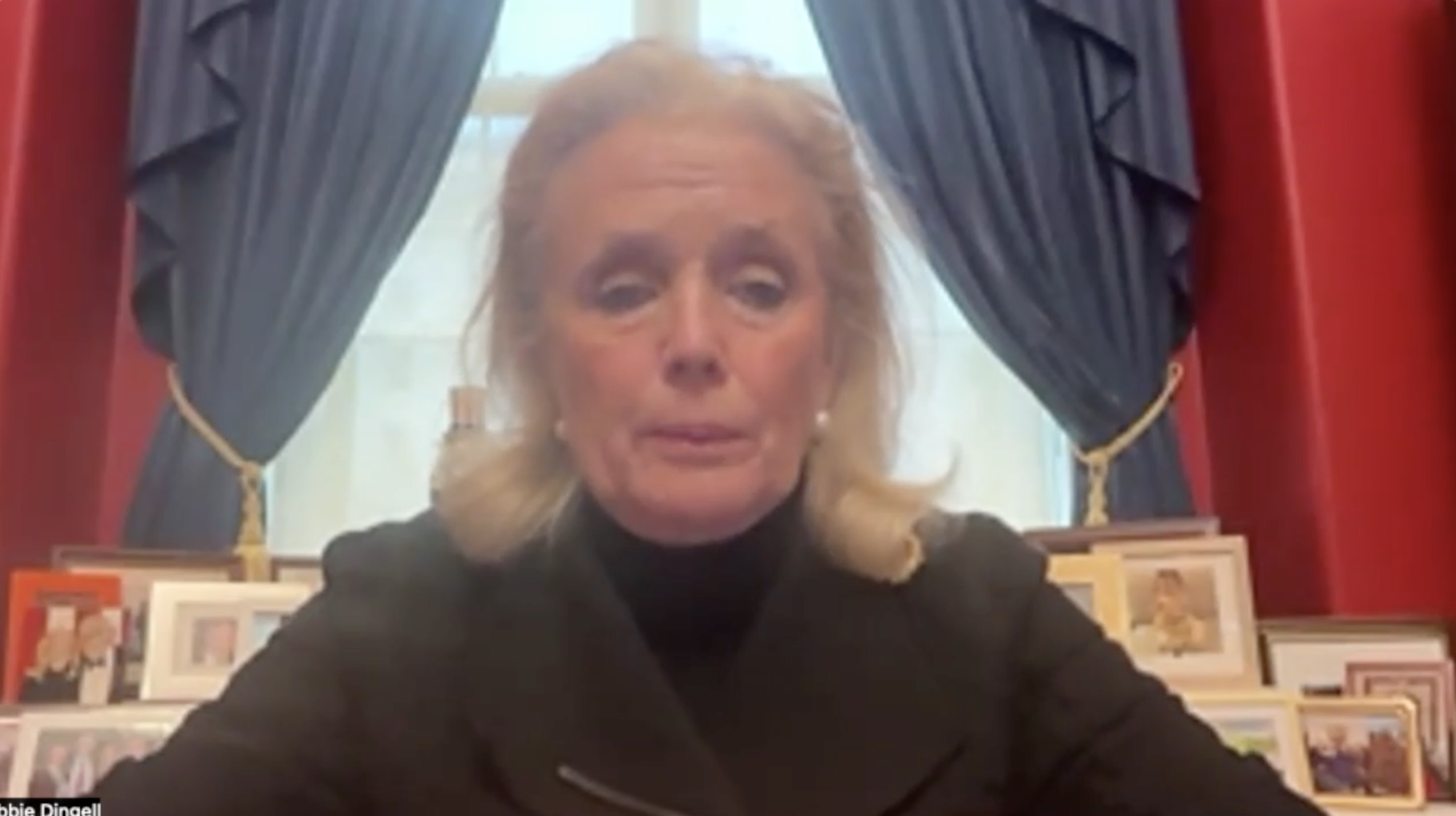
7 News Detroit reached out to Congresswoman Debbie Dingell about the family's concerns.

"I want people to be very cautious in thinking about international travel for the next few weeks," Dingell said.

For those already overseas, Dingell says travelers should sign up for the State Department's STEP program for updates, work with their airline on rebooking a different route and contact their local representatives in Congress.

"So we get a sense of the numbers of people that are stranded as we talk to the State Department about how do we fly people, so we cannot get out," Dingell said.

Dingell says her office is working to ensure Americans make it home safely.

"We'll work with you to try to assist you in all ways that are possible," Dingell said.

Related video: Gas prices jump in Michigan, stocks plunge as U.S.-Israel-Iran conflict enters day 5 Gas prices jump in Michigan, stocks plunge as U.S.-Israel-Iran conflict enters day 5

The Reids say they are willing to take any available route to get back.

"I mean, we're willing to fly wherever we have to fly to get home," Angela Reid said.

Rep. Dingell also confirmed that the U.S. State Department is working to utilize charter and military flights to bring people home from the Middle East.

Sen. Gary Peters office said they also stand ready to assist during emergencies and Michiganders in need of help should fill out an online form.

This story was reported on-air by a journalist and has been converted to this platform with the assistance of AI. Our editorial team verifies all reporting on all platforms for fairness and accuracy.

Officials identify 4 US service members killed in Iran conflict

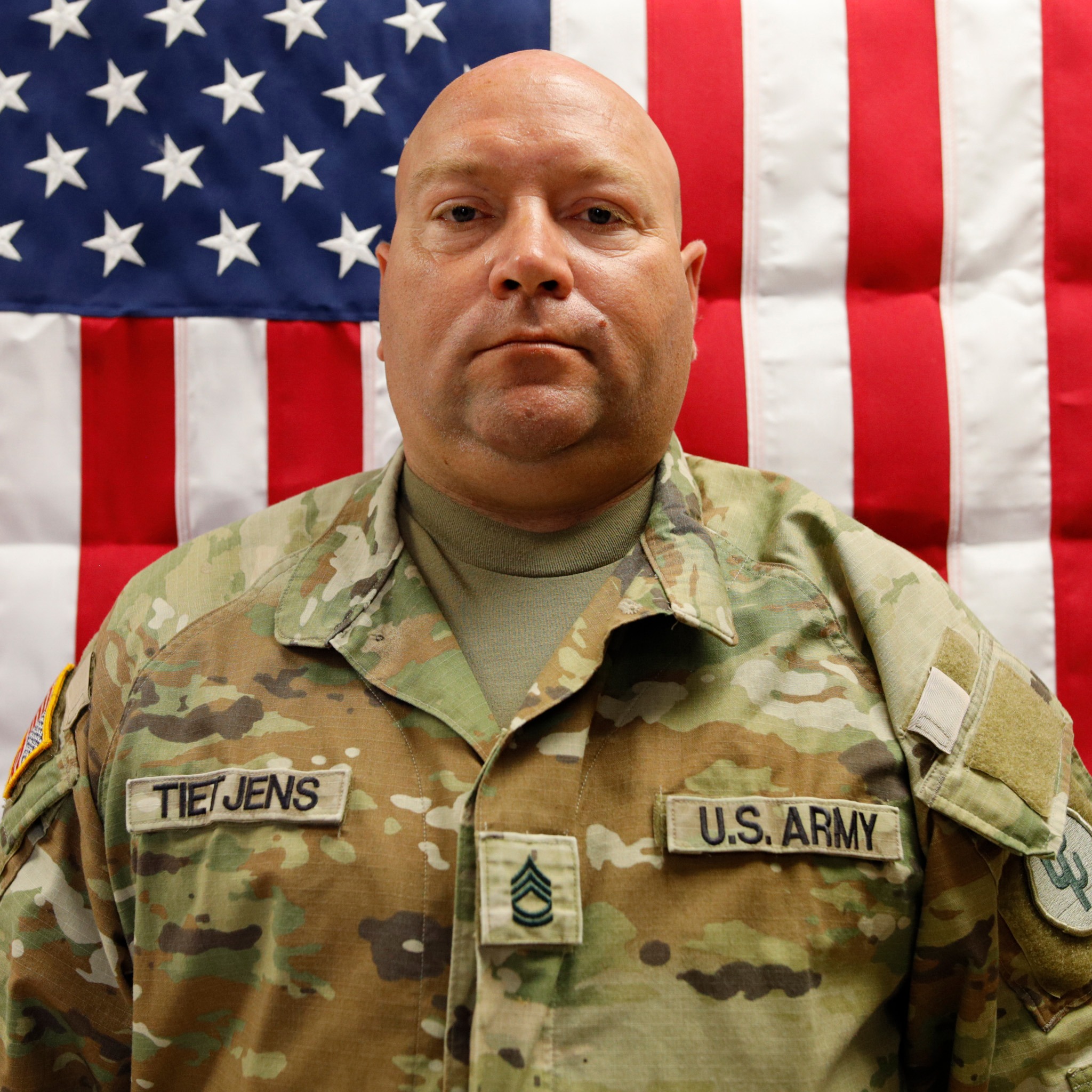
The Department of Defense has identified four of the American service members who were killed during strikes against Iran that began on Saturday.

The four are Capt. Cody A. Khork, 35, of Winter Haven, Fla.; Sgt. 1st Class Noah L. Tietjens, 42, of Bellevue, Neb.; Sgt. 1st Class Nicole M. Amor, 39, of White Bear Lake, Minn.; and Sgt. Declan J. Coady, 20, of West Des Moines, Iowa.

All four died on March 1, 2026, in Kuwait following a drone strike, the Department of Defense said.

The solders were members of the 103rd Sustainment Command, from Des Moines, Iowa. The command provides logistics and supply support for other military units.

RELATED NEWS | 6 US service members killed as Iran conflict intensifies

In total, six Americans have died since strikes began.

In addition to those service members named Tuesday, U.S. Central Command said Monday afternoon that two previously unaccounted-for service members were confirmed dead after their remains were recovered from a facility struck during Irans initial attacks in the region.

This was our last best chance to strike, what were doing right now, and eliminate the intolerable threats posed by this sick and sinister regime, Trump said Monday, during a Medal of Honor ceremony at the White House.

The lives of courageous American heroes may be lost, and we may have casualties, Trump said in a video address on Saturday, the day fighting began. That often happens in war. But were doing this not for now. Were doing this for the future.

Father charged after toddler found trapped in locked impounded car for nearly 2 days

A 13-month-old boy was found alive after spending nearly two days trapped inside a locked, impounded car at an Eastpointe tow lot. His father is now facing child abuse charges, and questions are being raised about whether police should have done more before the vehicle was towed.

Watch Randy Wimbley's video report: Father charged after toddler found trapped in locked impounded car

Orlander Linson Jr. is charged with second-degree child abuse. He is accused of leaving his toddler son inside an illegally parked vehicle in Harper Woods last Thursday night. The car was impounded to an Eastpointe tow lot the following day.

The child was inside the vehicle from Thursday night until Saturday afternoon, when Detroit and Harper Woods officers discovered him crying, pinned between a car seat and the passenger door at the tow lot.

PREVIOUS STORY: Toddler found alive inside impounded car in Eastpointe lot; father in custody Toddler found alive inside impounded car in Eastpointe lot; father in custody

Earlier that day, the child's mother went to the Detroit Police Department's Ninth Precinct to report him missing. A detective learned Harper Woods Police had impounded her boyfriend's vehicle and suspected the toddler might be inside.

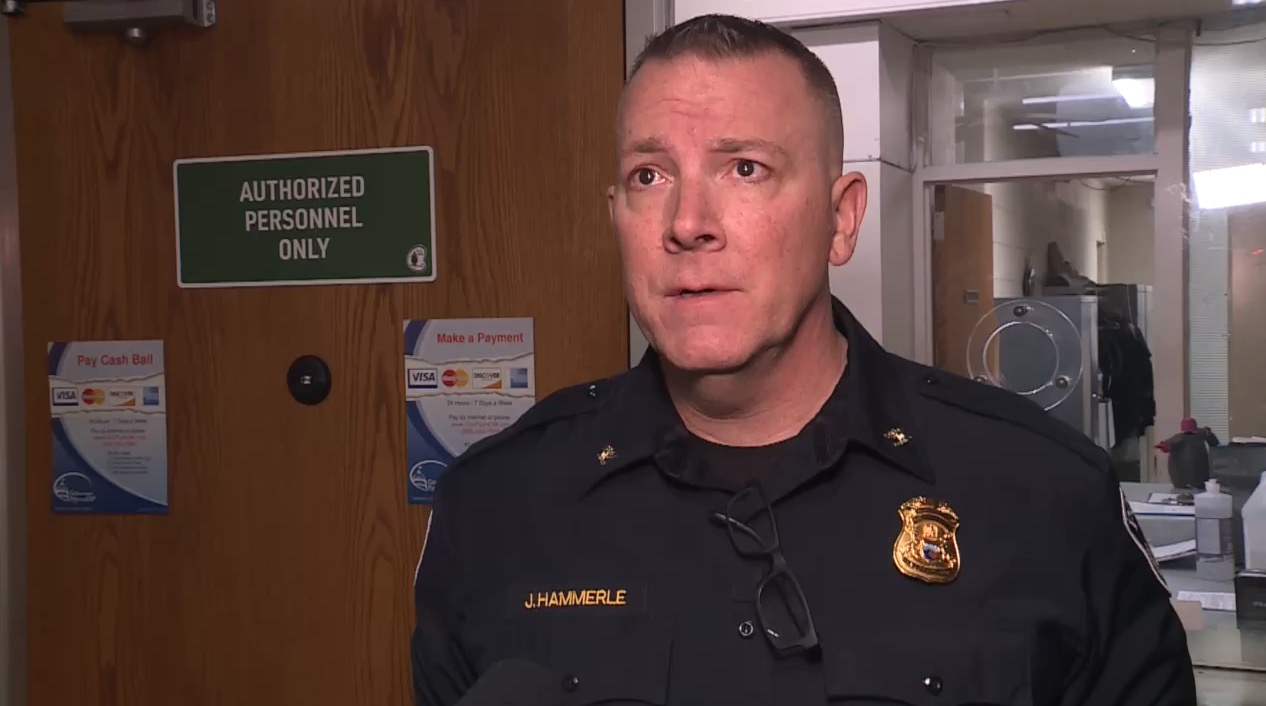
Harper Woods Police Chief Jason Hammerle said the officer who impounded the vehicle conducted a visual inspection but did not see the child inside. Because the car was locked, it was not thoroughly inventoried.

When I asked whether officers had lockout tools to check inside the vehicle, Hammerle said, "We do not possess those types of tools. I'm satisfied our officer followed policy in that incident. We cannot enter or damage locked vehicles, and he did a visual inspection from the outside I'm satisfied with that."

Hammerle did credit the Detroit detective who tracked down the vehicle.

"That detective did an outstanding job by locating the car, considering it wasn't quite registered to the suspect yet in this case," Hammerle said.

FULL INTERVIEW: Harper Woods Director of Public Safety details case where toddler was in impounded car FULL INTERVIEW: Harper Woods Director of Public Safety details case where toddler was in impounded car

Retired Detroit Assistant Police Chief Steve Dolunt believes Harper Woods Police should have done more.

"They couldn't get into it right away. From what I've seen in the past, all tow yards have a Slim Jim or some way to get into cars. Granted, the car wasn't flagged the officer thought it was just a routine impound. In this case, it was not," Dolunt said. "Fortunately, they got to it before the baby was deceased. So yeah, they dropped the ball."

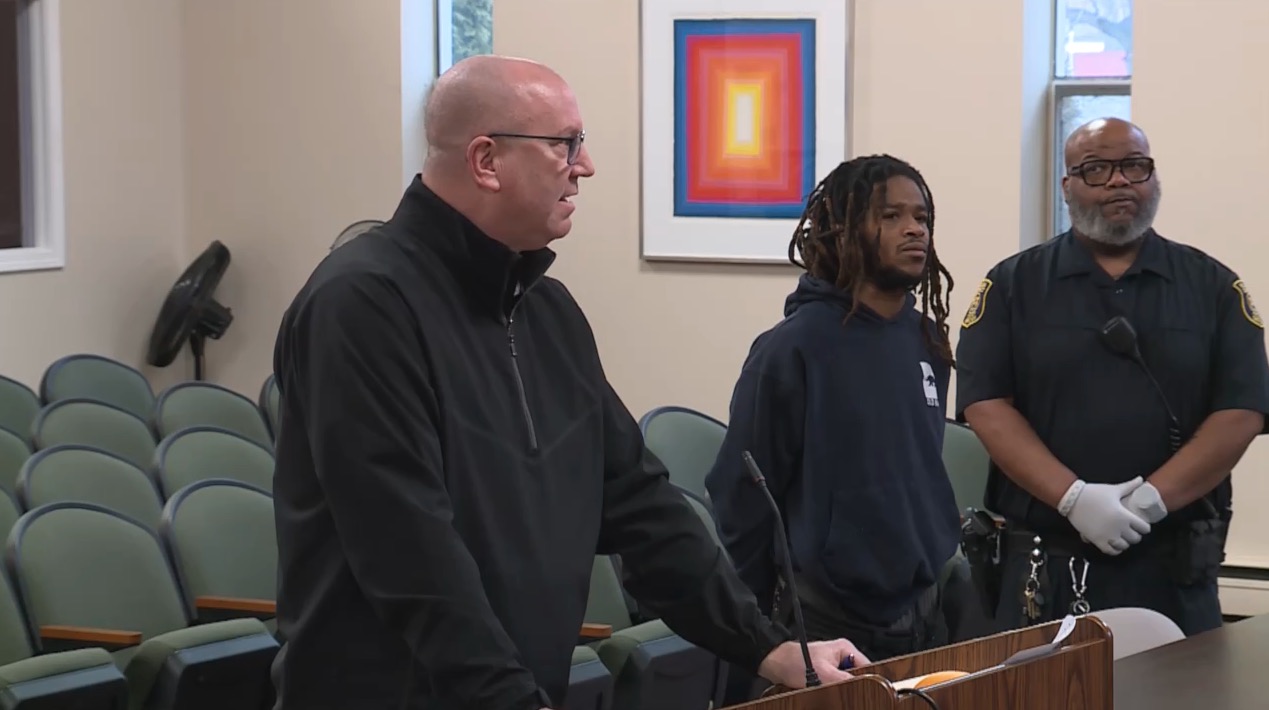
In court, investigators pushed for a high cash bond, citing Linson's history and lack of a permanent address.

"Mr. Linson Jr. has 10 active warrants for his arrest, and he does not have a residence at this time," Deputy Chief Ted Stager said. "So if he does bond out, I'm concerned that he may be in the wind, and we have no way to find out where he would be."

Linson's court-appointed attorney, Davonne Darby, argued for a personal bond.

"Mr. Linson is employed at the Little Caesars Arena as a security guard. He also is a father of five, and he realizes that this is just a bad decision made in a split second, so we're hoping that he could have a personal bond so that he can adjudicate this case and get back to his family quickly," Darby said.

Police have not said what Linson was doing when he allegedly left his son alone in the car.

The child is recovering in the hospital and is in the custody of Child Protective Services. Linson is being held on a $100,000 bond and is due back in court March 11.

This story was reported on-air by a journalist and has been converted to this platform with the assistance of AI. Our editorial team verifies all reporting on all platforms for fairness and accuracy.

Iran war sparks deep divisions among Michigan's Iranian American community

A U.S. and Israel-led attack on Iran, now in its fourth day, is drawing sharp and divided reactions from Michigan's Iranian American community with some welcoming the push toward regime change and others condemning the military action as unjustifiable and dangerous.

The conflict has left hundreds injured with a rising death toll. Iran has also launched a counterattack on Israel and U.S. bases in Middle Eastern countries.

Watch the video report below: Iran war sparks deep divisions among Michigan's Iranian American community

In Dearborn Heights, the Imams Council of Michigan is denouncing what it calls "unjustifiable aggression" against Iran, warning the U.S. is on the brink of another costly and unnecessary war.

Council member Imam Steve Mustapha Elturk said the timing of the military action undermines ongoing efforts to find a peaceful resolution.

"This escalation comes at a time when diplomatic talks and negotiations were reportedly underway, making the turn to force both premature and unjustifiable," Elturk said.

Watch more on the Imams Council denouncing the war below: Imams council denounces war in Iran

Elturk said Iran poses no imminent threat to the United States and has repeatedly claimed its nuclear program is for peaceful purposes.

"Military action was undertaken without authorization from the United States Congress and without sanction from the United Nations," Elturk said.

The council also warned that the action risks entangling Americans in another prolonged conflict despite past promises to end what it called "endless wars."

"President Donald Trump pledged to end endless wars, not to initiate new ones. One cannot credibly speak of peace, nor aspire to global recognition as a peacemaker while opening the door to another devastating war. The American people deserve leadership that prioritizes diplomacy, stability and the preservation of life," Elturk said.

The council is calling on the U.S. government to halt all acts of aggression, de-escalate, return to negotiations and seek diplomatic solutions.

Not everyone in the community shares that view. For Iranian American Mandana Lezgi of Waterford, the moment while painful feels historic.

"Finally, we can get rid of that regime, terroristic regime after 47 years. Of course, I have family members, my mom, brothers and cousins and friends are there. I am afraid of their lives," Lezgi said.

Lezgi, who moved to the U.S. in 2017, described growing up in Iran as an experience defined by state-imposed ideology.

"It was all brainwashing and about radicalism and actions against the other countries," Lezgi said.

She said she wants justice for Iran and defined what that means to her.

"The opportunity to have a free election," Lezgi said. "Our free election under Reza Pahlavi will give us the opportunity to have the equal citizenship for everyone, regardless of their gender, their sexual orientation, their religion."

Related video: Anti-war protesters rally at Michigan Capitol, support War Powers Resolution Anti-war protesters rally at Michigan Capitol, support War Powers Resolution

Lezgi also described the personal restrictions she lived under.

"What's happening in Iran right now under this dictator regime is that I had to cover my hair. I had to go and pray three times a day when I was in the school. I just want justice for Iran," Lezgi said.

For Ann Arbor attorney Blaine Coleman, the war hits closer to home. His wife, Dr. Mozhgan Savabieasfahani, an Iranian American, is currently in Tehran caring for her elderly parents and is caught in the middle of the bombardment.

"There's no place in Iran right now that would be safe from the Israeli and U.S. bombardment," Coleman said.

Coleman said his wife's parents are in their 90s and her father is seriously ill.

"Her parents are in their 90s, and her father is very ill and cannot be moved. But she has a wheelchair there and if she has to, she'll move him. But the question is, where?" Coleman said.

In audio recorded from Tehran, Savabieasfahani described the conditions on the ground.

"An hour ago, there was heavy, heavy bombardments all across our neighborhood," Savabieasfahani said. "Israel has been bombing schools, they've killed children, they have bombed hospitals, they've bombed clinics and they are constantly bombarding multiple neighborhoods in Tehran."

Related video: Families in metro Detroit struggle to reach loved ones as internet goes dark in Iran Iranian-Americans in metro Detroit struggle to reach family as internet goes dark in Iran

Savabieasfahani also pushed back on the justifications used for the military campaign.

"They've threatened for years. They have lied about Iranian capabilities. They've lied about Iran being a threat to the United States," Savabieasfahani said.

Related video: Michigan soldier and families reflect on the cost of service amid rising tensions Families wait for developments from those who answered the call to serve

Coleman, who has been visiting Iran for more than a decade, argued that military force will not improve life for ordinary Iranians.

"There are 92 million highly educated Iranians, very literate society. They know how to run their country. They know how to complain when they want to complain. Bombarding Iran and committing a genocide on Iran is not going to help anybody in Iran," Coleman said.

He also drew comparisons to previous U.S. military engagements.

"Iraq got bombed to smithereens and now 20-some years later, what is Iraq like? Afghanistan got bombed to smithereens. And after all these decades, what's Afghanistan like?" Coleman said.

Related video: Gas prices jump in Michigan, stocks plunge as U.S.-Israel-Iran conflict enters day 5 Gas prices jump in Michigan, stocks plunge as U.S.-Israel-Iran conflict enters day 5

Coleman also described Iran's diverse population.

"Iran has a large Jewish population. They have a Christian population. They have a Zoroastrian population. They have all kinds of ethnicities and all kinds of religions there, and everybody lives normally," Coleman said.

Coleman remains in limited contact with his wife due to a communications blackout in Iran. Both remain hopeful the fighting will end soon.

This story was reported on-air by a journalist and has been converted to this platform with the assistance of AI. Our editorial team verifies all reporting on all platforms for fairness and accuracy.

Dow drops 400 after trimming an early plunge of 1,200 as oil prices climb even higher

A sell-off for stocks wrapped around the world and hit Wall Street Tuesday, while oil prices climbed even higher on worries about the widening war with Iran. But the big moves that rocked markets in the morning eased substantially as the day progressed.

By the end of trading, the S&P 500 had sunk 0.9%. That would be a solid loss on a typical day, but the index had been down as much as 2.5% in the morning because of worries that the war may do more sustained damage to the economy than feared.

The Dow Jones Industrial Average dropped 403 points, or 0.8%, after plunging more than 1,200 points earlier in the morning. The Nasdaq composite pared its loss to 1%.

RELATED STORY | The Danny Moses Show: The truth about short selling, AI hype and meme stocks

It was just a day earlier that U.S. stocks opened the morning with a sharp loss, only to recover all of it and end the day with a tiny gain. Helping to drive that rebound was a record showing that past wars and conflicts in the Middle East have not usually meant long-term pain for U.S. stocks.

But that was with the caveat that oil prices did not jump too high, like above $100 per barrel. On Tuesday, oil prices rose again and raised more alarms. The price for a barrel of Brent crude, the international standard, briefly leaped above $84.

The jump lessened through the day, though, which helped moderate the losses for stocks. Brent settled at $81.40, up 4.7%. A barrel of benchmark U.S. crude rose 4.7% to $74.56.

The moves showed oil prices, and how much theyre set to worsen inflation, are among the central fears for investors. More expensive fuel will mean less money for U.S. and other households to spend. It would also raise expenses for companies worldwide, which would likewise hurt their profits. And corporate profits are the lifeblood of stock markets.

Tuesdays climb for oil prices came after Iran struck the U.S. Embassy in Saudi Arabia, part of a widening of targets that also includes areas critical to the worlds oil and natural gas production. Worries are particularly high about the Strait of Hormuz off the coast of Iran, a narrow passageway where roughly a fifth of the worlds oil passes.

IN CASE YOU MISSED IT | How they got him: Khamenei confirmed dead after CIA tracked Iran's Supreme Leader for months

Iranian Brig. Gen. Ebrahim Jabbari, an adviser to the paramilitary Revolutionary Guard, vowed that any ships that passed through the strait would be set on fire.

The fears about oil prices ebbed a bit later in the day as President Donald Trump said the U.S. Navy could begin escorting tankers through the strait, if necessary, to ensure the FREE FLOW of ENERGY to the WORLD.

Making things uncertain for markets is the question about how long this war may continue.

A major attack by the United States and Israel has already killed Iranian Supreme Leader Ayatollah Ali Khamenei, but Trump said late Monday night on his social media network, Wars can be fought forever, and very successfully with the supply of munitions that the United States possesses.

Some professional investors said again Tuesday they dont think this is the beginning of a long-term down market and that stocks could rebound if the war doesnt last that long. But they acknowledge it could take a while for that to become clear, and Tuesdays swings for markets show how uncertain things are.

Tuesdays sell-off started in Asia, where the Kospi stock index in South Korea, a big energy importer, plunged 7.2% as markets reopened after a holiday on Monday. That was its worst day since two summers ago, and it had been setting records recently.

Tokyos Nikkei 225 dropped 3.1%, even as analysts said Japan has a sizable stockpile lasting more than 200 days. In Europe, where prices for natural gas have soared because of the war, Frances CAC 40 lost 3.5%.

On Wall Street, nearly three out of every four stocks within the S&P 500 dropped. Unlike a day before, influential Big Tech stocks werent able to prop up indexes, and Nvidia fell 1.3%.

Among the winners on Wall Street was Target, which rose 6.7% after the retailer reported a better profit for the latest quarter than analysts expected.

All told, the S&P 500 fell 64.99 points to 6,816.63. The Dow Jones Industrial Average dropped 403.51 to 48,501.27, and the Nasdaq composite sank 232.17 to 22,516.69.

In the bond market, Treasury yields leaped in the morning with worries about inflation. The yield on the 10-year Treasury briefly rose above 4.10% before pulling back just below 4.06%. It was at 4.05% late Monday and just 3.97% on Friday.

Higher yields can make it more expensive for U.S. households and businesses to borrow money, affecting everything from mortgages to bond issuances. They also put downward pressure on prices for stocks and all kinds of other investments.

When Treasurys are paying more in interest, they can also undercut the price of gold, which pays its investors nothing. Gold fell 3.5% Tuesday to settle at $5,123.70 per ounce, halting a strong run that had taken it above $5,300 as investors looked for safer places to park their money.

High inflation could also tie the Federal Reserves hands and keep it from cutting interest rates. The Fed lowered rates several times last year and indicated more cuts were to come in 2026. That would help boost the economy and job market, but lower rates can also worsen inflation.

Traders are now pushing back their forecasts further into the summer for when the Fed could resume cutting rates, according to data from CME Group. Thats even though Trump has been calling for Fed officials in angry and personal terms to cut rates now.

❌