Login
LoginWhat is the origin of the U.P. pasty?
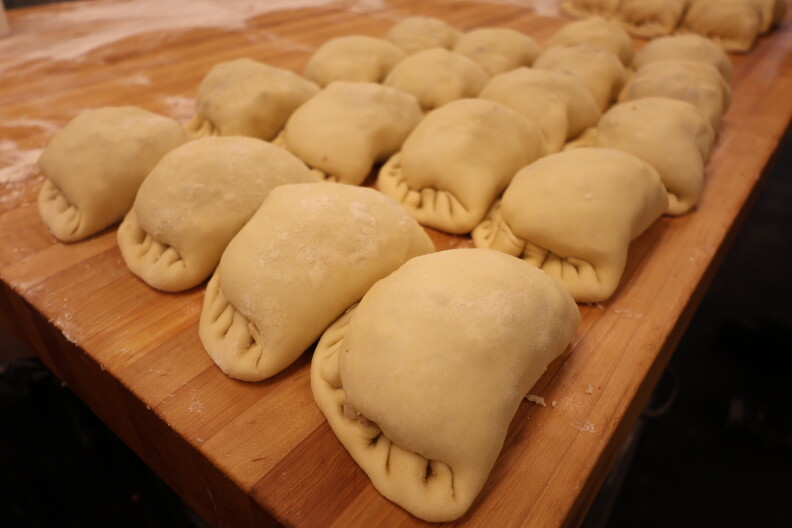
The moment you cross the bridge into the Upper Peninsula, you’ll start to see signage for the region’s signature food: the pasty.
This pocket of dough filled with beef, pork, potato, and rutabaga is particularly easy to find in the Keweenaw Peninsula, which is home to a “trail” of at least 13 different pasty shops.
The region also happens to be home to a rich history of Finnish migration. Hancock, Michigan was even designated the 2026 Finno-Ugric Capital of Culture, an international honor. Several local bakers on the pasty trail come from Finnish families, and many offer traditional Finnish treats.
Just like the pasty, Finnish flavors and festivals have been embraced as part of Keweenaw culture. So no one would blame you for thinking pasties are a Finnish dish! But the pasty is actually a Cornish tradition.
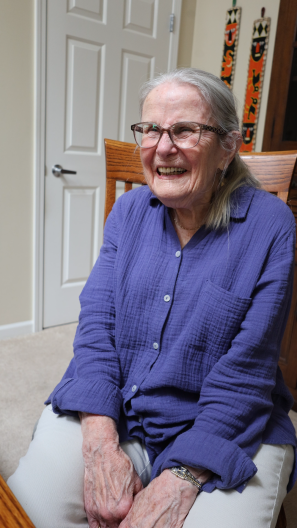
Yvonne Lockwood, a folklorist and retired curator of folklife for the Michigan State University Museum, did some hands-on work studying traditions around the pasty in the U.P. Lockwood was born and raised in the U.P. herself, but moved to California while in high school. But she still remembers the pasties her mother made for their family.
“She always made it with pork and beef… potatoes, onions, rutabaga, and she added a dab of butter before she closed it,” she said. “Her pie crust was always made with lard… And that's what I remember as a real pasty, right or wrong.”
Many Cornish immigrants came to the Copper Country in the mid-19th century to mine after their own tin and copper-centric economy faced a decline. It was around that same time that the Quincy Mining Company in Hancock also began to recruit Finnish workers and brought them to the region. At the time, Finns made up the most populous ethnic group in the area, and many locals there today claim Finnish heritage. According to Lockwood, early Cornish and Finnish immigrants likely exchanged cultures while working together in the mines.
“...In the logging camps and in the mines, Finnish men ate Cornish pasties. I'm sure that their wives were making them. And how did they learn it? They probably learned it from Cornish women.”
Some early versions of the Cornish pasty, Lockwood said, had two types of filling. One side of the pocket had a hearty, savory filling, and the other half had a sweeter, fruit based filling. Bakers could deliver dinner and dessert in one, easy-to-pack treat!
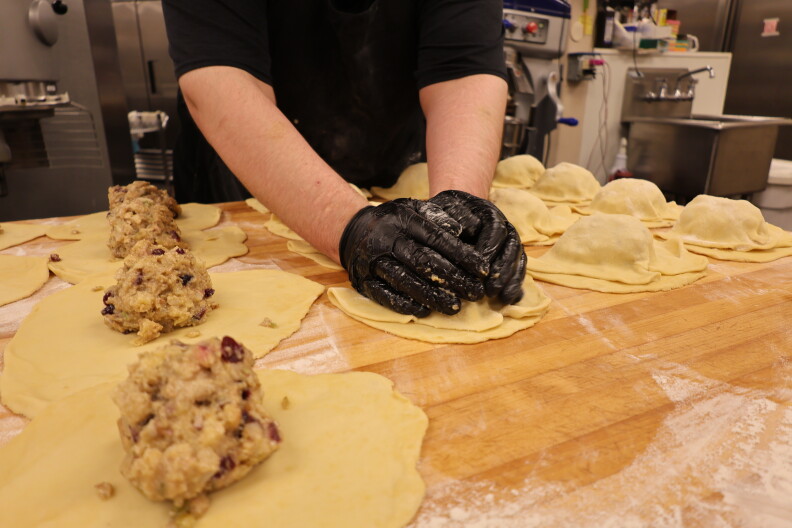
Since then, the pasty has taken all kinds of other cultural influences, and there are modern recipes that totally deviate from that traditional mix. Today, you’ll find breakfast pasties, vegetarian pasties, Thanksgiving dinner pasties, and broccoli and cheddar pasties.
While bakery in Hurley, Wisconsin was thought by the community to be one of the first pasty shops where pasties could be purchased away from the home, most locals, Lockwood said, considered the “best” local pasty to be the ones made at home by their mothers.
“It is a sign of U.P. identity… and if you're Finnish, or Cornish, or Italian, or whatever, pasty is your dish…Today, it is a U.P. food.” Lockwood said.
Hear the full story on this episode of On Hand!
GUESTS:
- Trisia Narhi, co-owner at Roy’s Pasties and Bakery in Houghton
- Roy Narhi, co-owner and baker at Roy’s Pasties and Bakery in Houghton
- Yvonne Lockwood, folklorist, retired curator of folklife for the Michigan State University Museum, co-founder of the Michigan Traditional Arts Program
Want to submit a question to On Hand? Do it here:
- Online Submission Form
- Call us: 734-764-7840
- Email us: onhand@michiganpublic.org